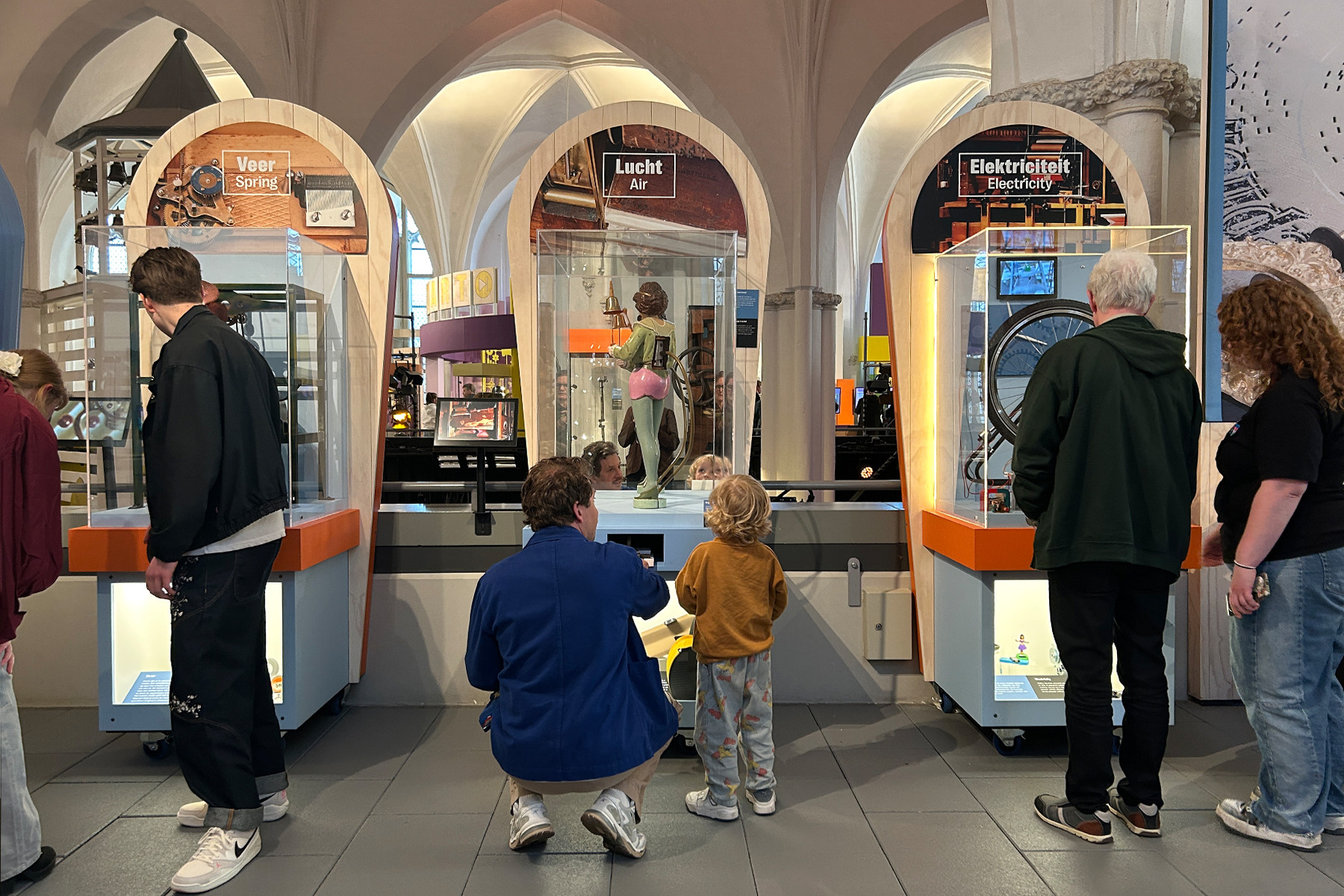
Arcadia and the Fries Museum present until 26 October 2025 the exhibition Veenweide Atelier: Design for a Sunken Marsh. For centuries, the Frisian landscape has been shaped by meadows, ditches, terps, and distinctive farms. But in recent years, this landscape has been drastically changing due to the impact of climate change. Especially in the peat meadow area, concerns are mounting: soil subsidence, desiccation, declining biodiversity, and increasing CO₂ emissions pose urgent challenges. Yet this is also where another story unfolds: a story of resilience and renewal.
In the exhibition, visitors discover new ways of living in this landscape through art and design. The research project Veenweide Atelier, led by artist and eco-social designer Henriëtte Waal, develops innovative proposals for the peat meadow area. Together with farmers, residents, scientists, and designers, a future is envisioned in which the peat landscape remains livable – for the peat itself, for the people who work and inhabit the land, and for the many non-human species that depend on it.

Peatlands as vital ecosystems
Peat is vital for global biodiversity and functions as a natural carbon sink. The Frisian peat meadow area, covering over 90,000 hectares, is the largest contiguous peat landscape in the Netherlands. Peat extraction, intensive agriculture, and dairy farming have caused the peat in this region to dry out rapidly and the land to subside. To reverse this process, the goal is to restore half of the drained peatlands by 2050. This is being done by raising the water level, rewetting the landscape, and enhancing biodiversity.
End of the peat meadow landscape – or a new beginning?
But does this mark the end of the peat meadow landscape, or could it be the start of something new? How can designers, farmers, scientists, policymakers, and residents join forces? What happens when they work together on new insights, qualities, and design languages for these vulnerable areas?
Internationally renowned designers
The Veenweide Atelier brings together internationally renowned designers and local experts through an eco-social and integrated design approach. It serves as a window onto a global challenge — and an opportunity to share knowledge and build connections across communities. The exhibition features three forward-thinking case studies:
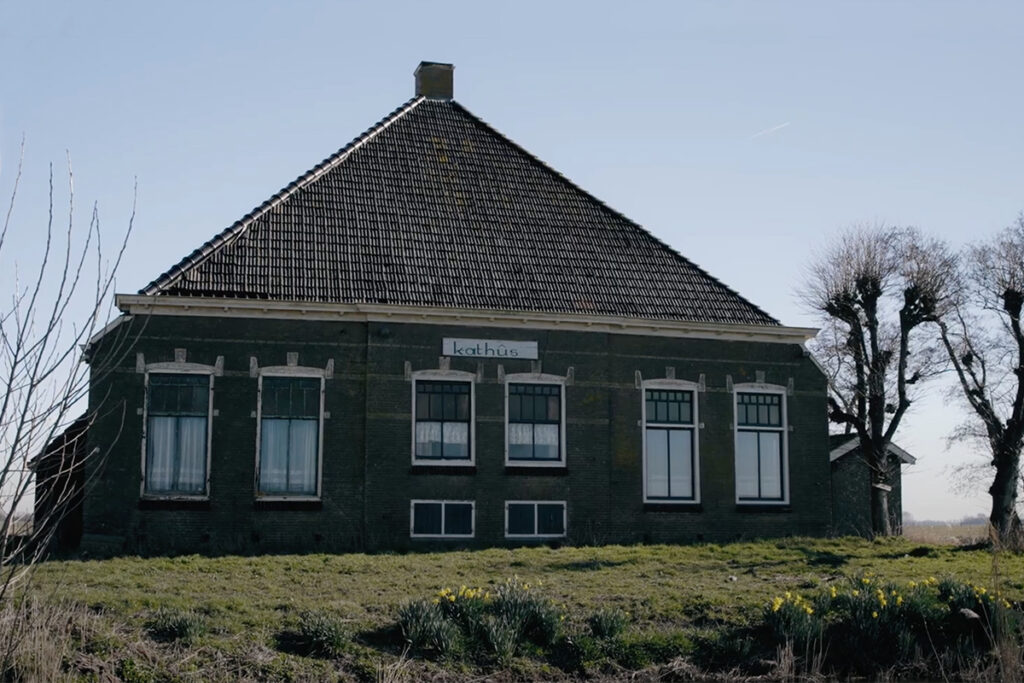
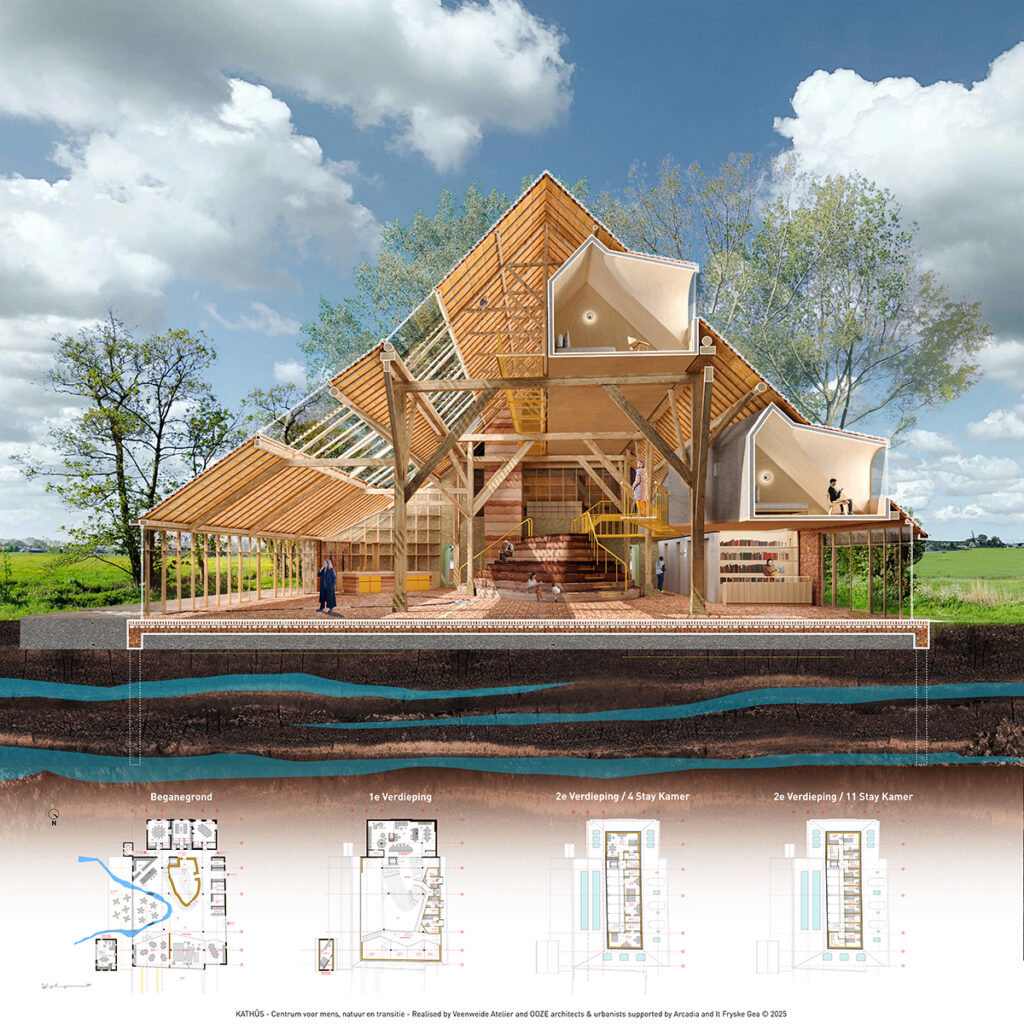
- A monumental farmhouse in the heart of the peat landscape, where residents and nature conservationists collaborate on a sustainable repurposing that honours the beauty of rural heritage (in collaboration with OOZE Architects and It Fryske Gea).
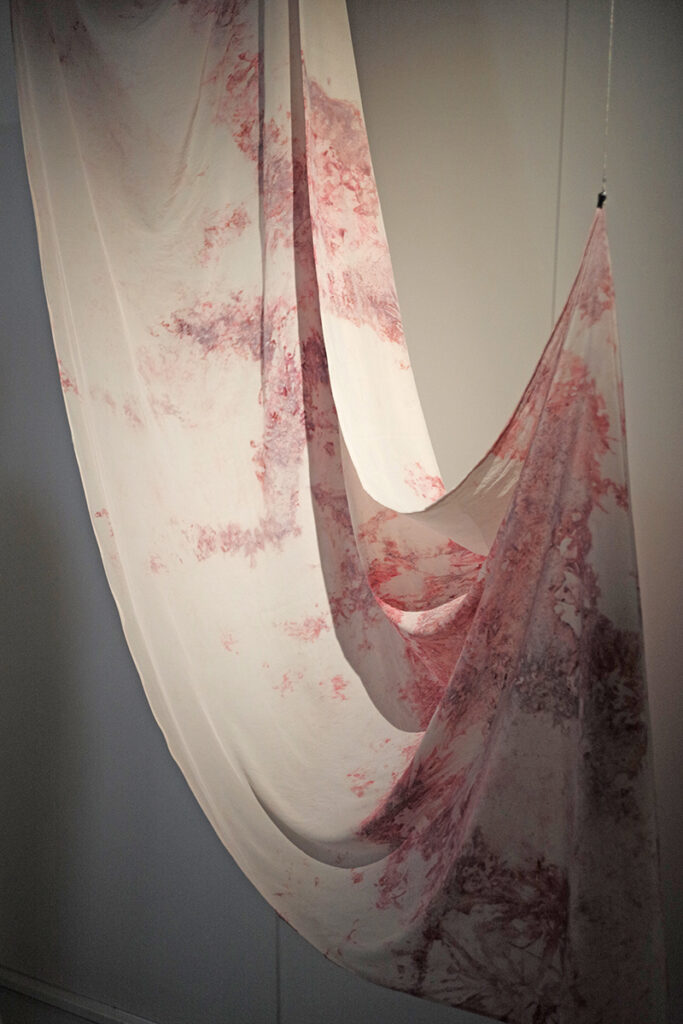
- Working with soil bacteria to dye locally produced textiles, exploring new models for the biotech economy (in collaboration with Faber Futures, the Boon family, and the Biobased Economy Knowledge Centre of Hanze University of Applied Sciences).
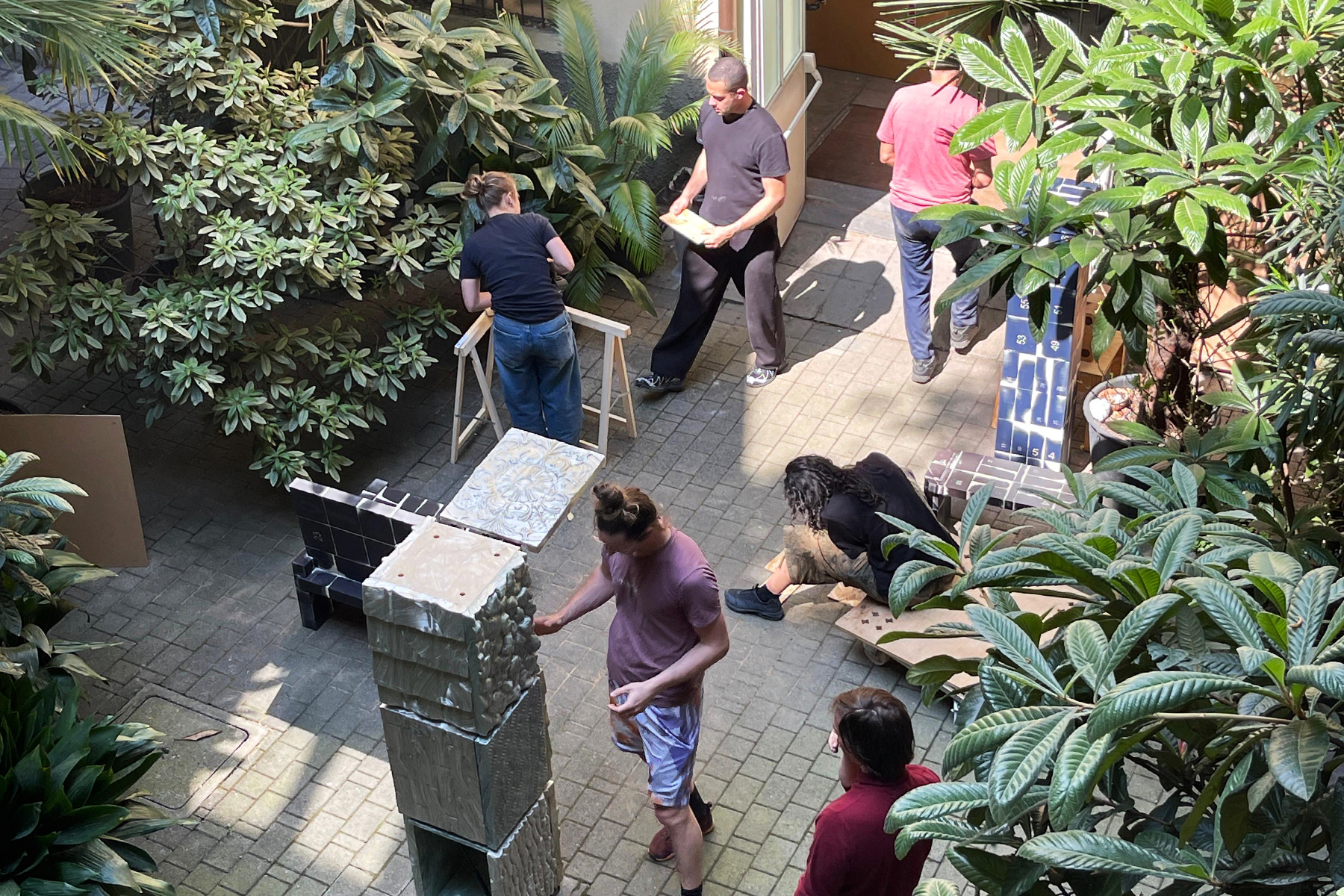
- A scalable furniture collection made from wet crops grown on a peat water farm (in collaboration with Friso Wiersma, Arno Kalfsvel, Ashok Bhadra, Tjeerd Veenhoven, and Jasper van Belle).
The exhibition brings together material innovation, imagination, interdisciplinary collaboration, and community building – alongside the urgent need to address the state of our peatlands.

’t Kathûs
With the pilot project ’t Kathûs, the Veenweide Atelier, OOZE Architects and It Fryske Gea explore how a vacant farmhouse can grow into a future-proof place to live, work and connect in the peat meadow landscape. By linking heritage, ecology and community power, this project offers an inspiring example of how to sustainably repurpose the Frisian countryside.



Fit-to-farm Models for Biofacturing
In Prototyping Fit-to-Farm Models for Biofacturing, Faber Futures and Veenweide Atelier are co-developing a distributed model for on-farm bioproduction in the Frisian peat meadow region. This bioregional approach aims to establish a circular textile processing system, using pigment-producing microbes sourced from the peatland to transform agricultural residues and waste heat into resources. Through fermentation, these bacteria can dye and print on textiles—such as linen grown in Fryslân—using a water-saving, toxin-free process.



Fiber Farmers
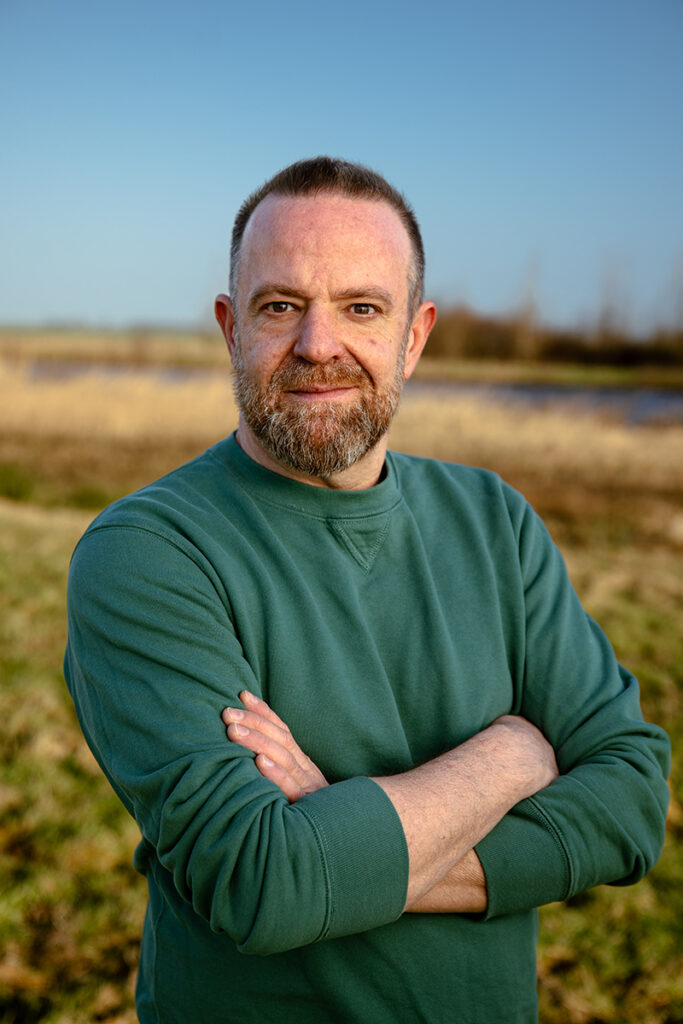
Designer Tjeerd Veenhoven develops so-called boundary objects — tangible materials that spark conversation — to bring farmers, policymakers and other stakeholders together around a shared future for the peat meadow region. With his project Fiber Farmers, he explores how fibre crops like cattail can contribute to new building materials and income models for wetland areas.

Doerebout
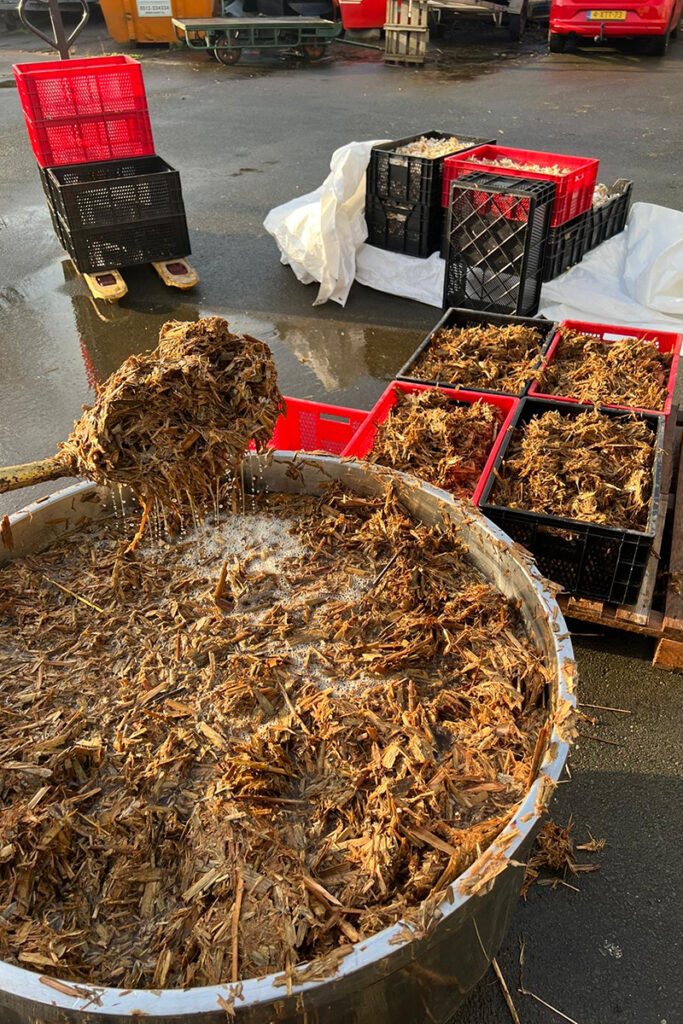
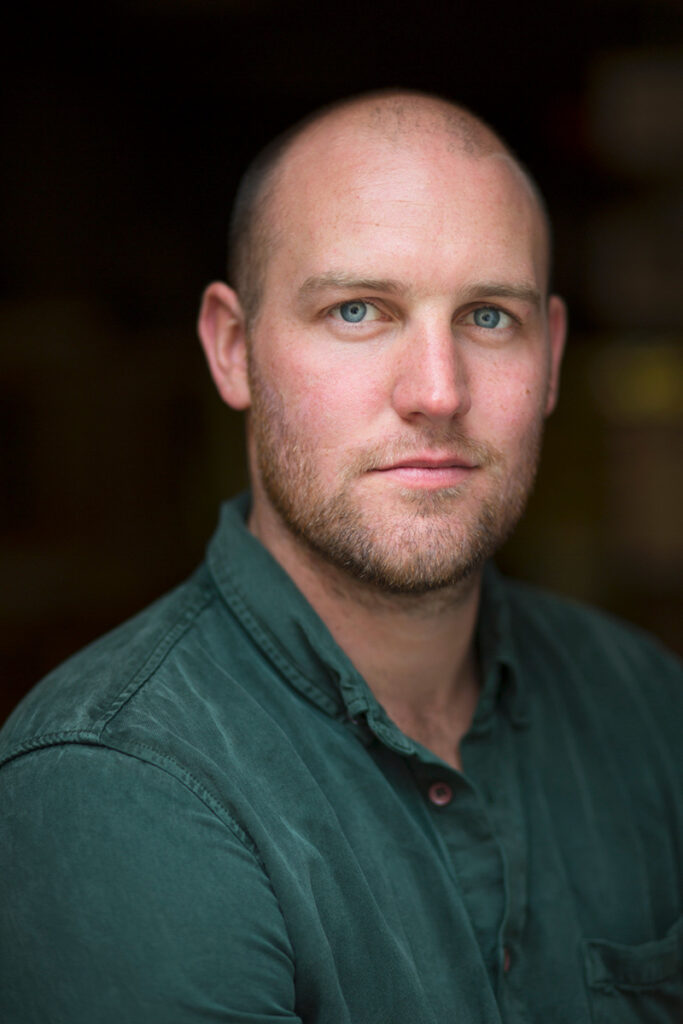
With Doerebout, furniture maker and designer Friso Wiersma, in collaboration with the Veenweide Atelier, explores how wetland plants like cattail (Doerebout in Stadsfrisian) can be transformed into furniture that is both soulful and practical. This project weaves together craftsmanship, landscape, and innovative materials into a new story—about living in harmony with nature and honouring the origins of what surrounds us.




Bouwurk
Alongside the Fries Museum exhibition, Veenweide Atelier’s projects are also featured in the restaurant/café of the Bouwurk: a modern-day cathedral and a tribute to the Fryske mienskip. Constructed with local makers and materials from the region, it’s a place brimming with stories, firsts, and special encounters during Arcadia 2025. Created by and for the community. Visitors can experience furniture by Friso Wiersma and panels by Tjeerd Veenhoven within the space.
Veenweide Atelier
Veenweide Atelier, led by artist and designer Henriette Waal, is a multi-year program that brings together farmers, conservationists, scientists, and designers in a testing ground for new models of living in the peat meadows.
Henriette Waal
Henriette Waal is an artist and designer known for her interdisciplinary work in artistic research, environmental design, and community engagement. She is the co-founder of Atelier Luma, a bio design lab in the south of France, focused on bioregional practices and material engineering and the founder and artistic director of Veenweide Atelier. Henriette has led fieldwork in Mediterranean wetlands, integrating southern European, African, and Near Eastern remote wetland communities.
Arcadia
This exhibition is part of Arcadia 2025. Arcadia is the continuation of Leeuwarden-Fryslân 2018, European Capital of Culture. Every three years, Arcadia organises a 100-day cultural triennial across Friesland, together with many partners. The first edition took place in the summer of 2022, featuring projects such as Bosk, Paradys, and IIS. The second edition runs from 17 May to 24 August 2025. For more information and the full programme, visit www.arcadia.frl
Veenweide Atelier is supported by project partners Stichting Stokroos, It Fryske Gea and Gieskes Strijbis Fonds.
Stichting Stokroos supported the Veenweide Atelier project through the Open Call for Maker Initiatives. The new open call is now online and applications can be made from 29 September 2025.
Exhibition ‘Veenweide Atelier: Design for a Sunken Marsh’
Fries Museum, Leeuwarden
24 May – 26 October, 2025
friesmuseum.nl