Longread by Robert Kromhof
Architect, writer and visual artist
Unique designs are being created for solar facades that convert light into energy for the building’s occupants. And yet, this is being taken up only to a very limited extent in the construction industry. Why this is so is the central question addressed in this article.
Trees have been converting sunlight into energy for 380 million years. Humans have only really started to apply this on a large scale in the last 20 years, partly thanks to mass production in China, which has brought down the price of solar panels. It was only after 2015 that solar panels became so cheap that they became financially attractive without subsidies. While trees make full use of sunlight with their canopy of leaves, the use of solar facades in the construction industry is still lagging behind. It stands to reason that future buildings, like trees, will capture sunlight and convert it into energy via solar facades.

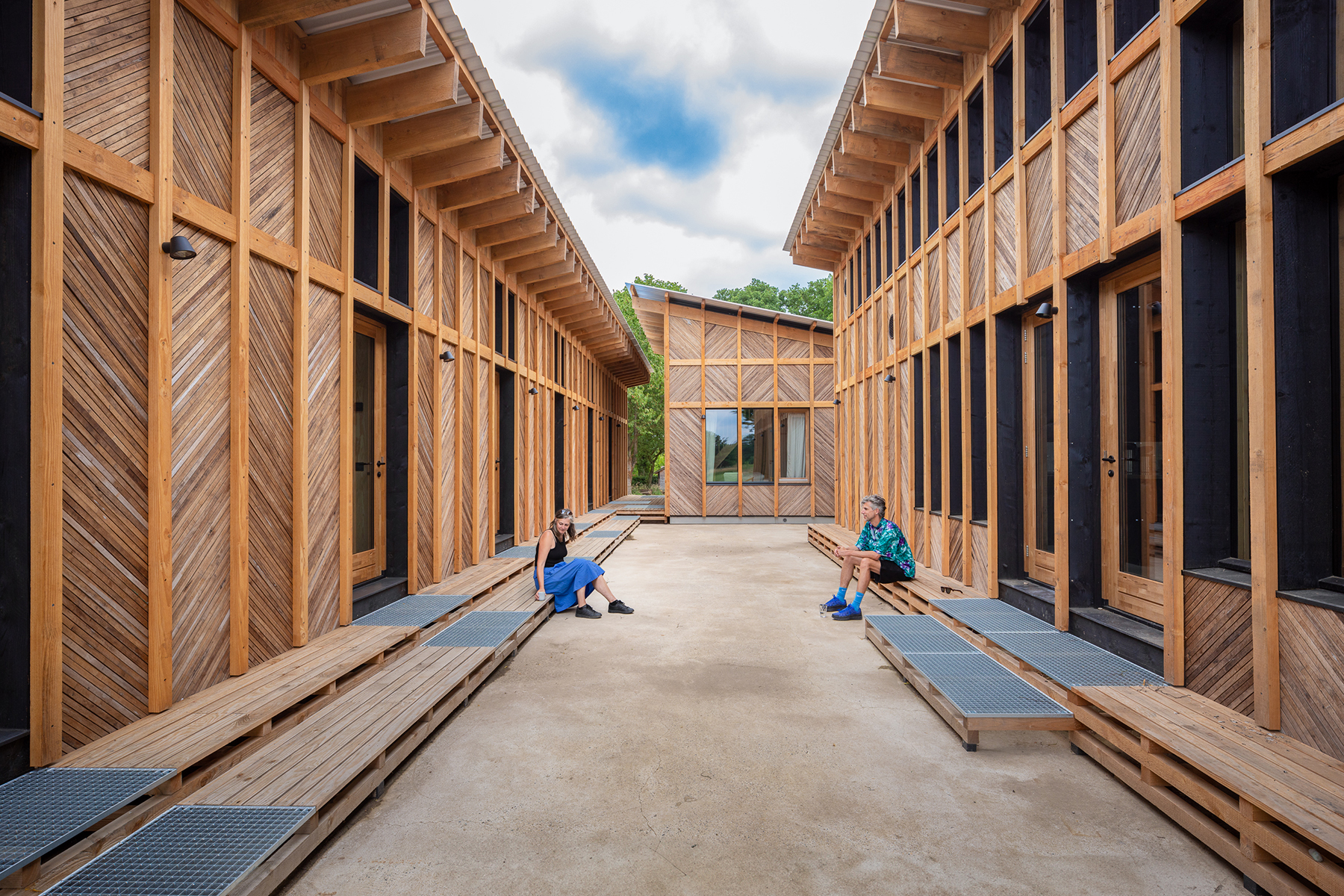
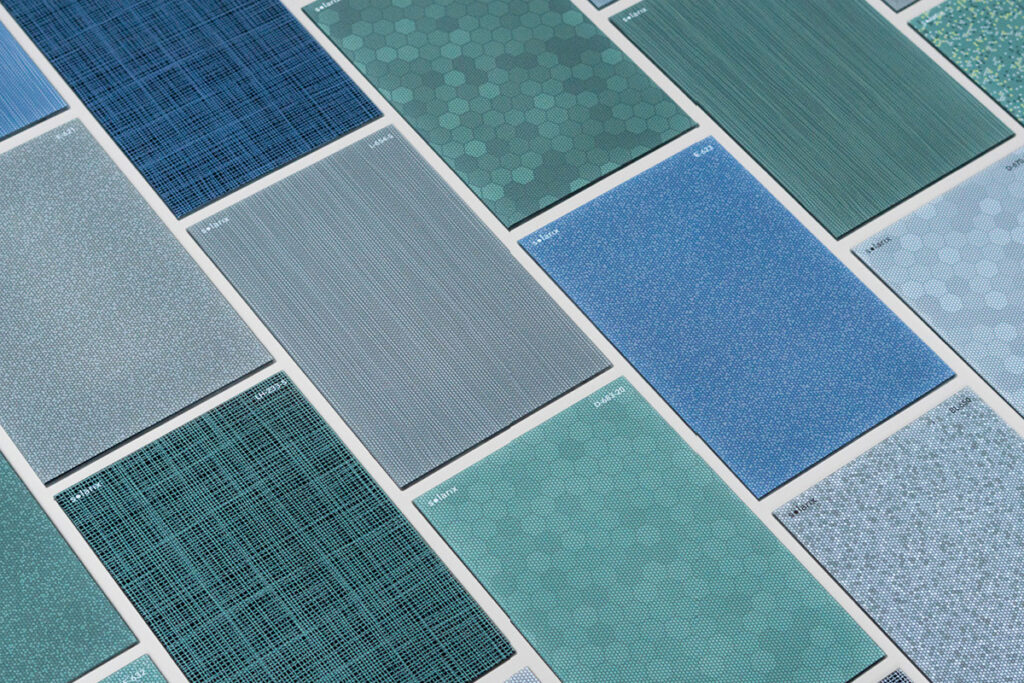
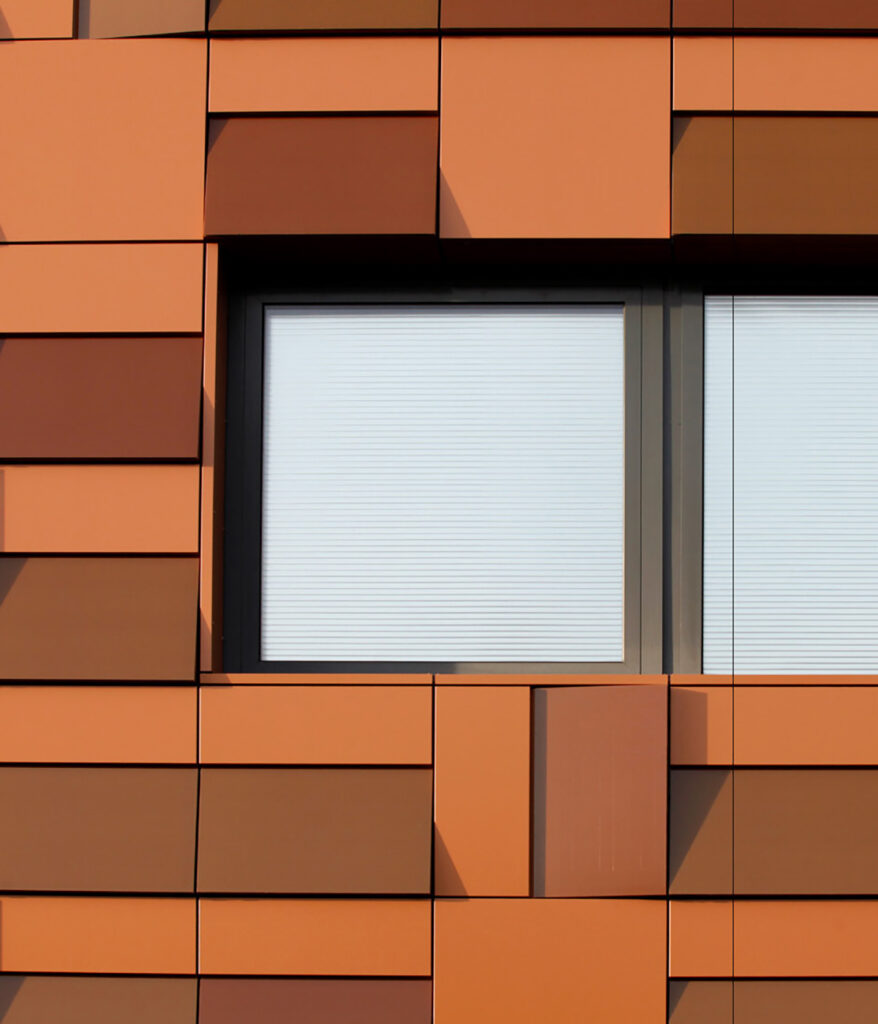
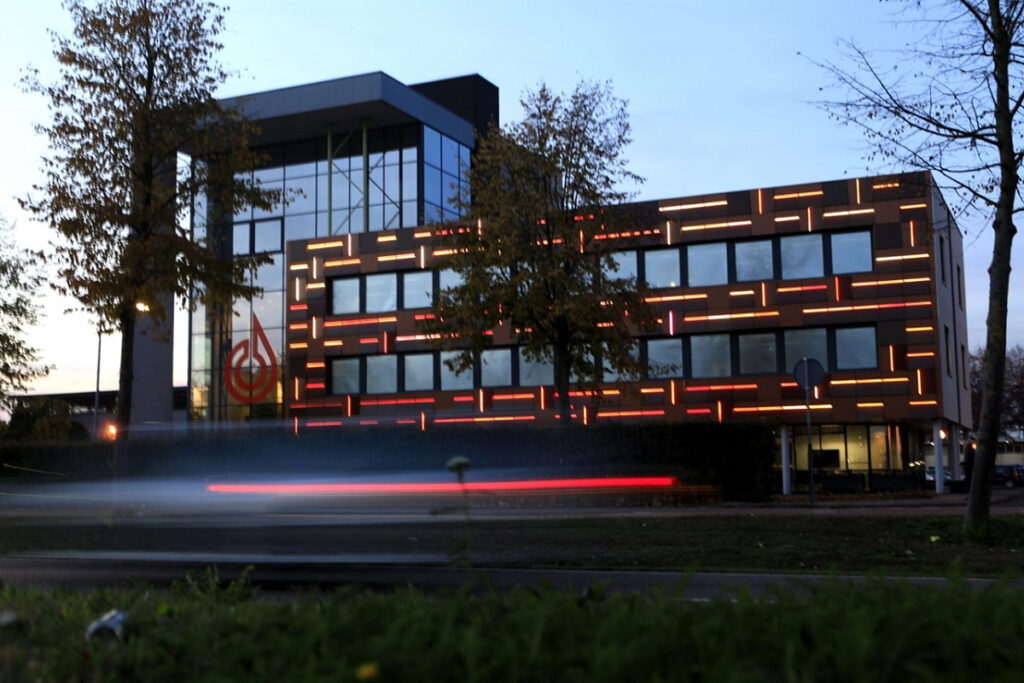
The De Kikker school in Osdorp-Amsterdam proves with its solar facades that this is possible. Yet it is not yet happening on a large scale. The facade of the De Kikker school was designed by Solarix. They have been developing innovative solar facades since 2016 and are pioneers in aesthetic panels, designed by architects and product designers. Solarix believes that beauty accelerates the energy transition. That is why they design solar facades that not only generate energy but also make buildings more beautiful. The facade panels combine aesthetics, technology and sustainability. Solarix hopes that in the near future, every city will be transformed into an oasis full of positive energy. And yet, the construction industry is only slowly picking up on this trend.
Are solar facades too innovative?
New products often face challenges, but in this case, solar panels have more than proven themselves. The objections mainly come from clients and construction parties who are not yet confident enough to fully embrace solar facades. At present, solar facades are slowly appearing on government buildings and larger companies that are willing to innovate with solar facades. And iconic buildings where organisations want to show how forward-thinking they are. An additional functional reason may be that there is insufficient roof space available for solar panels. Enough examples have already been realised to conclude that solar facades are past the experimental phase. So “too innovative” cannot be the objection.
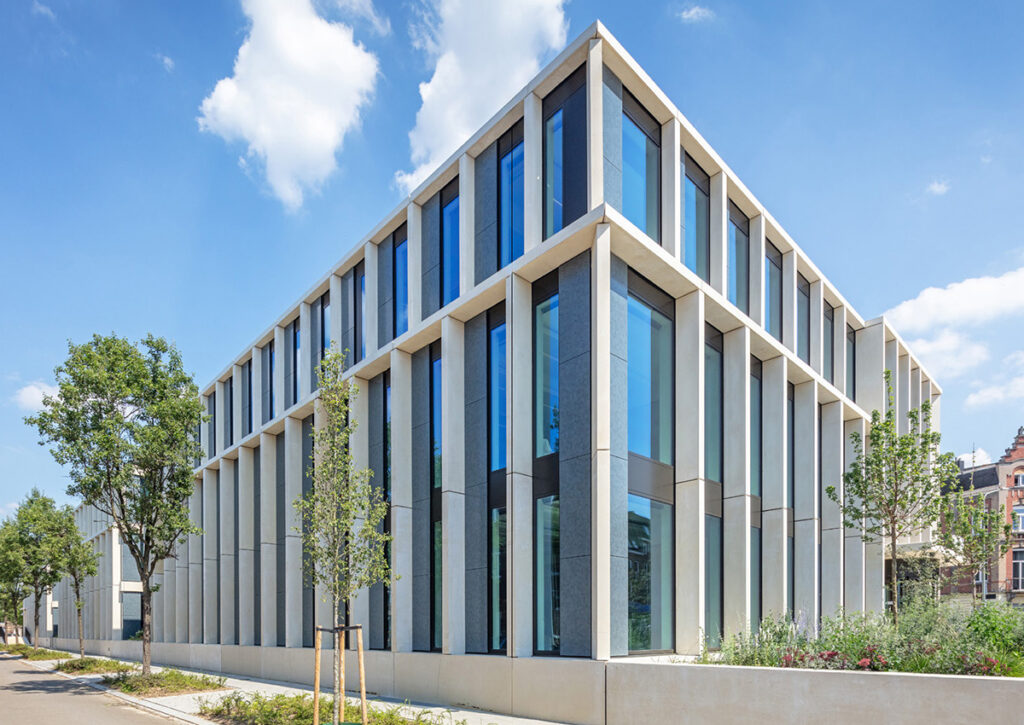
Unfair comparison with solar panels
Once “too experimental” is no longer a valid objection, criticism often shifts to costs and returns. Solar facades are then compared to traditional solar panels on roofs, with the solar panels coming out on top. This comparison is skewed. Solar panels only supply energy, while solar facades combine a much broader range of functions: energy generation, protection against rain and wind, insulation, soundproofing, fire safety and aesthetics. Furthermore, north-facing facades do not need to be designed to generate energy. The integration of all these functions in solar facades means that they cannot be compared to solar panels. Solar facades also deliver high yields in the morning and evening and do not have the large peak in solar energy in the middle of the day, unlike solar panels on the roof. Since many people consume electricity in the morning and at the end of the afternoon, solar facades are preferable in order to reduce grid congestion. It is therefore misleading to measure solar facades using the same yardstick as single solar panels.
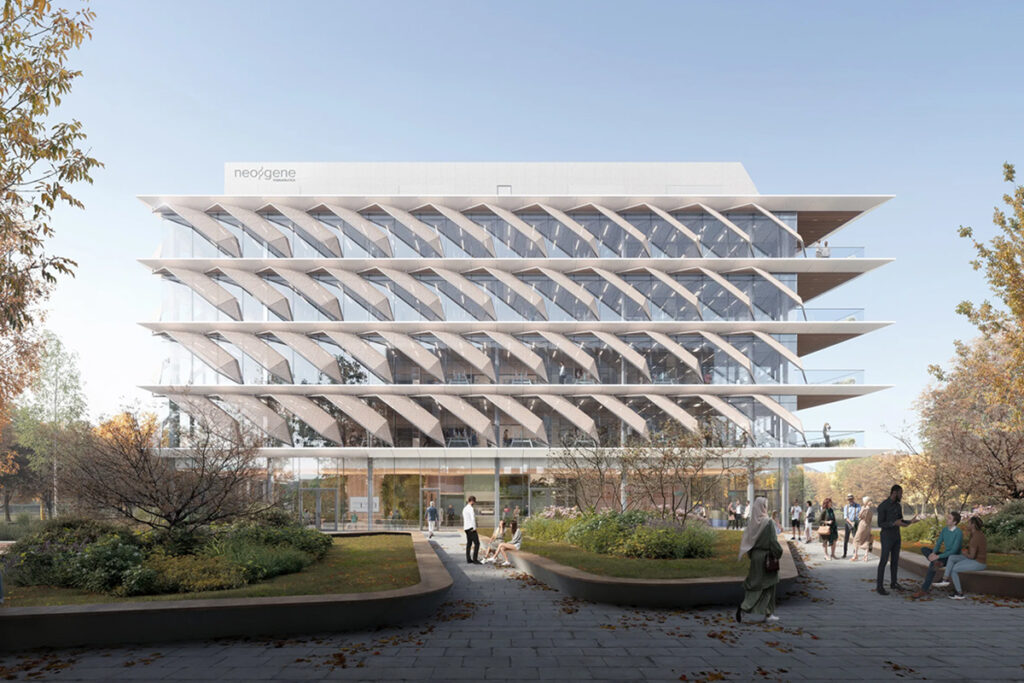
Competition from green facades
Another objection, that solar facades are complex, expensive and maintenance-intensive, does not hold water. Compare this with the proliferation of green façades or even trees attached to steel wires on the balconies of high-rise residential towers. Solar façades are the winner in all respects. How artificial is it to make nature part of a façade, compared to solar façades? Nature belongs in the earth and not hanging on facades. In addition, the natural greenery in the facades does not yield a single watt for the residents of the building. Green facades are much more complex, expensive and maintenance-intensive than solar facades.
Green appearance
Nevertheless, buildings with green façades often win competitions or receive honourable mentions. In the international design competition for Notre Dame in Paris, the firm Ron Baird & Silvano Tardella was among the finalists, where the burnt-down roof was to be turned into a park. Why is green so trendy in the construction industry? Since the 1990s, marketers have known that “green” sells. They started selling products with terms such as eco, natural, CFC-free, which were often just words. In the beginning, even the green colour of the packaging was convincing enough for consumers. As long as the products radiated environmental awareness. Marketers knew that the image of a product was more important than objective information. This type of marketing with a green image, but without sustainable content, quickly became known as “greenwashing”.
Greenwashing
The construction industry is currently at this stage, because the green façade only beats the solar façade in terms of appearance. Green façades often provide a spectacular green image for the client and the architect, which can easily go viral worldwide. The construction industry still needs to realise that they are engaging in “greenwashing” and, in the case of residential towers, “treewashing”. It is solar façades that have a sustainable future. Green façades are merely visual sham solutions. Solar facades do contribute to sustainability and energy generation. One square metre of solar façade is equivalent to the CO₂ absorption of two trees. What is not taken into account is the enormous amount of concrete that has to be added to the residential towers to support the trees and the associated steel cables. It is precisely these materials that cause high CO₂ emissions during production. The future lies in integrated solar facades, which do not look like nature, but, just like trees, capture and utilise energy for the residents.
How wonderful is it that future generations at De Kikker school are made aware at a very young age of how important it is to learn and play in a sustainable environment?