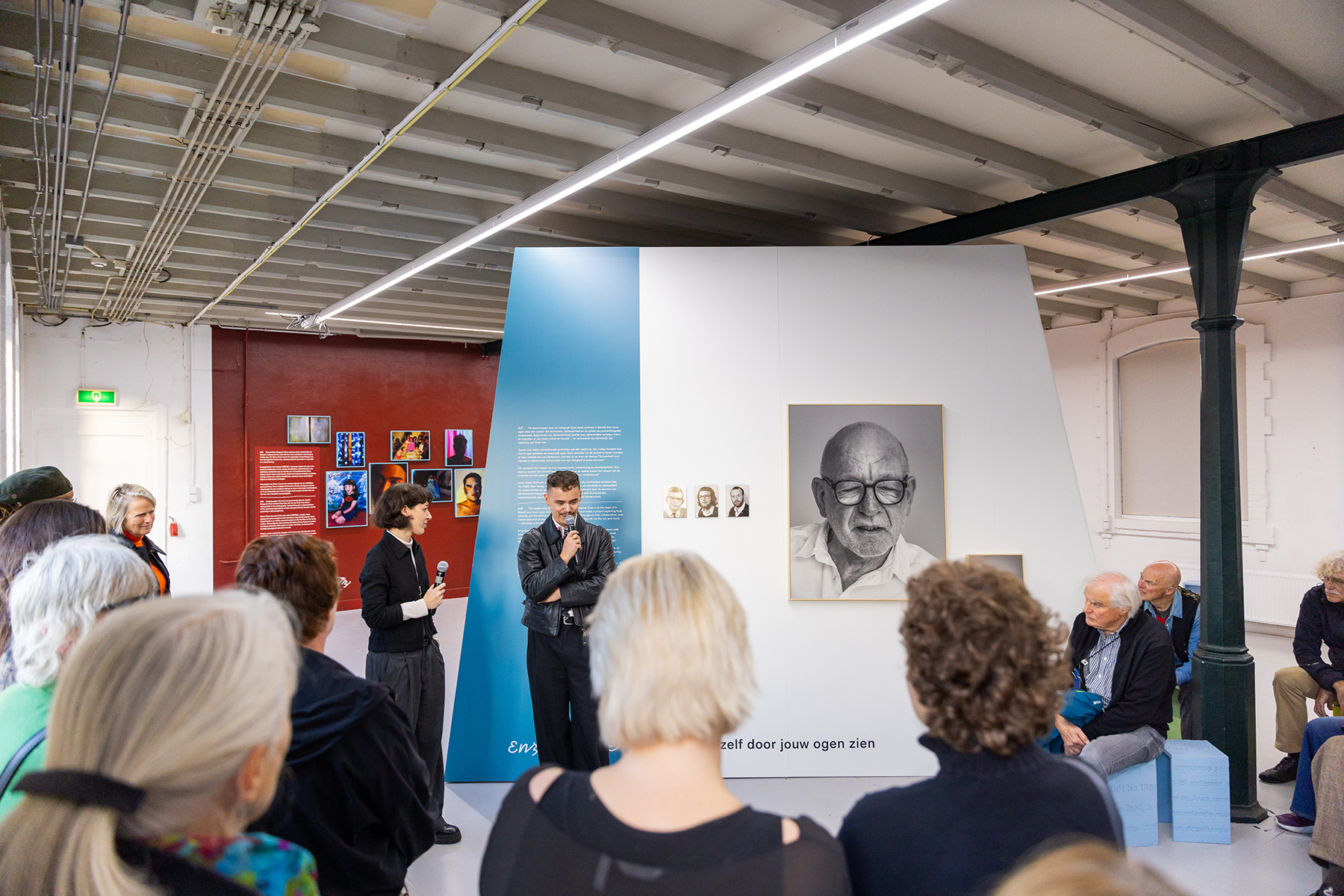
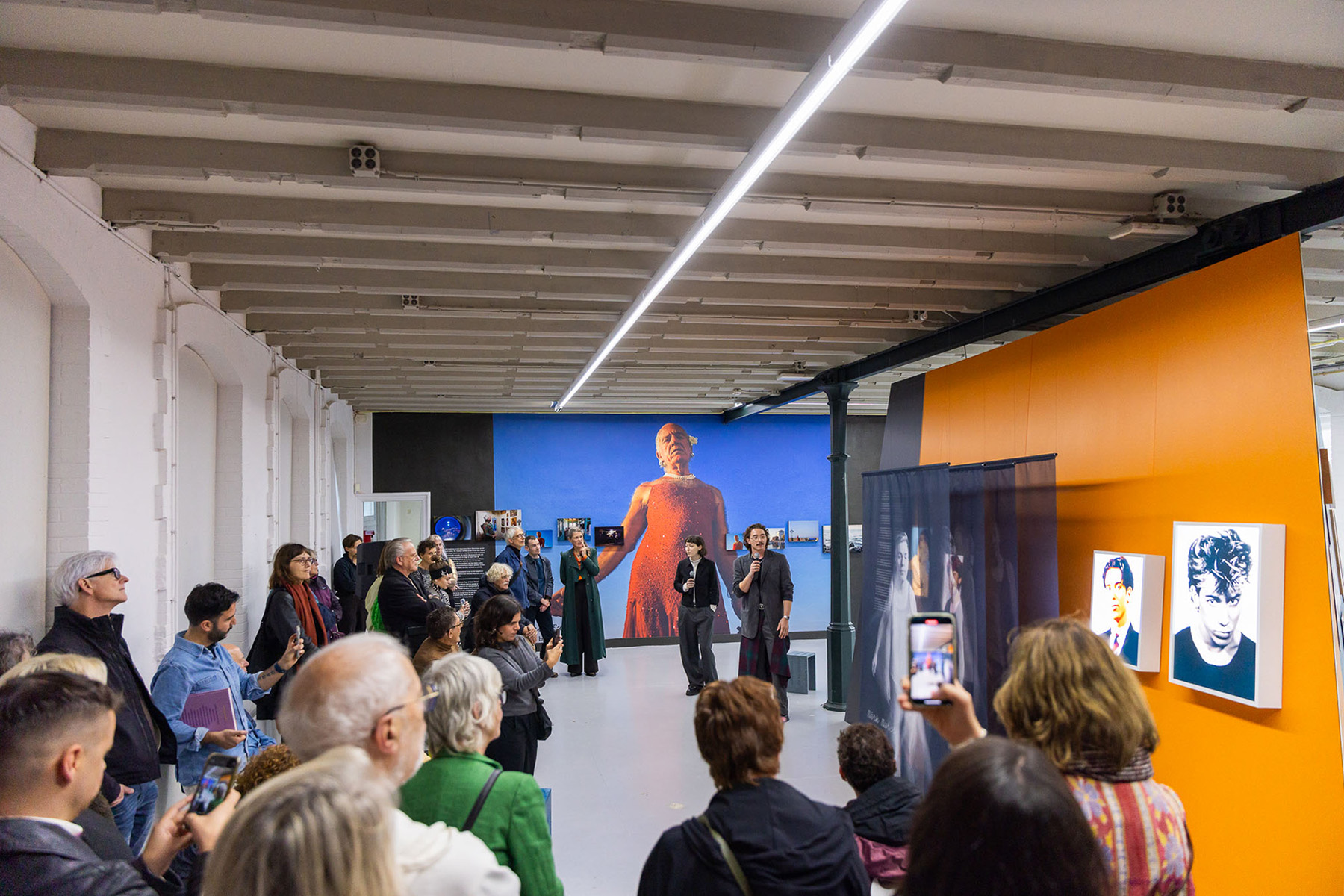
From 13 September till 3 November, Breda will host the 11th edition of the biennial BredaPhoto Festival, the largest photographic exhibition in the Benelux. Side by side with young talents, top photographers will show their views on festival theme Journeys in industrial buildings, churches, residential houses, parks and the rugged development area ’t Zoet.
Dutch Design Daily highlights a number of Dutch participants during the festival period. Today the last one: Mounir Raji.
Mounir Raji is a Dutch-Moroccan photographer, image-maker and researcher. Commissioned by the Rijksmuseum, Raji portrayed the ultimate tourist experience for Document Netherlands 2023: a cruise. The result was shown in his solo exhibition ‘Perfect Day’ at the Rijksmuseum. Raji is also a widely recognized commercial photographer, working with clients such as Adidas, Atelier Munro, Daily Paper, G-Star, GQ Middle East, Nike and Vogue. At outdoor location ’t Zoet BredaPhoto presents his solo-exposition ‘Dreamland’.
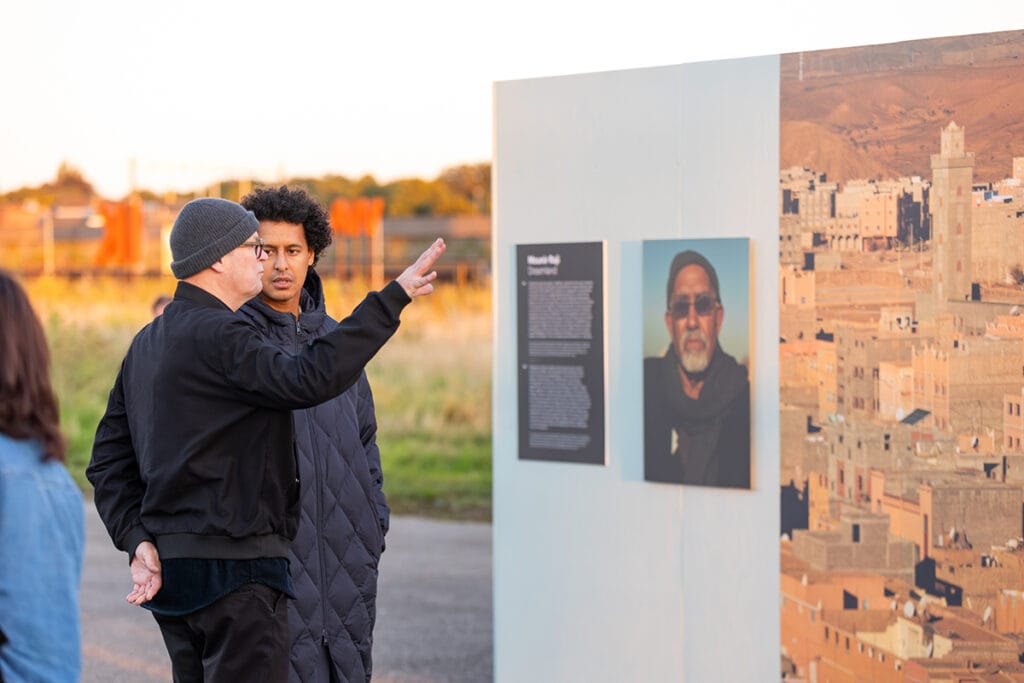


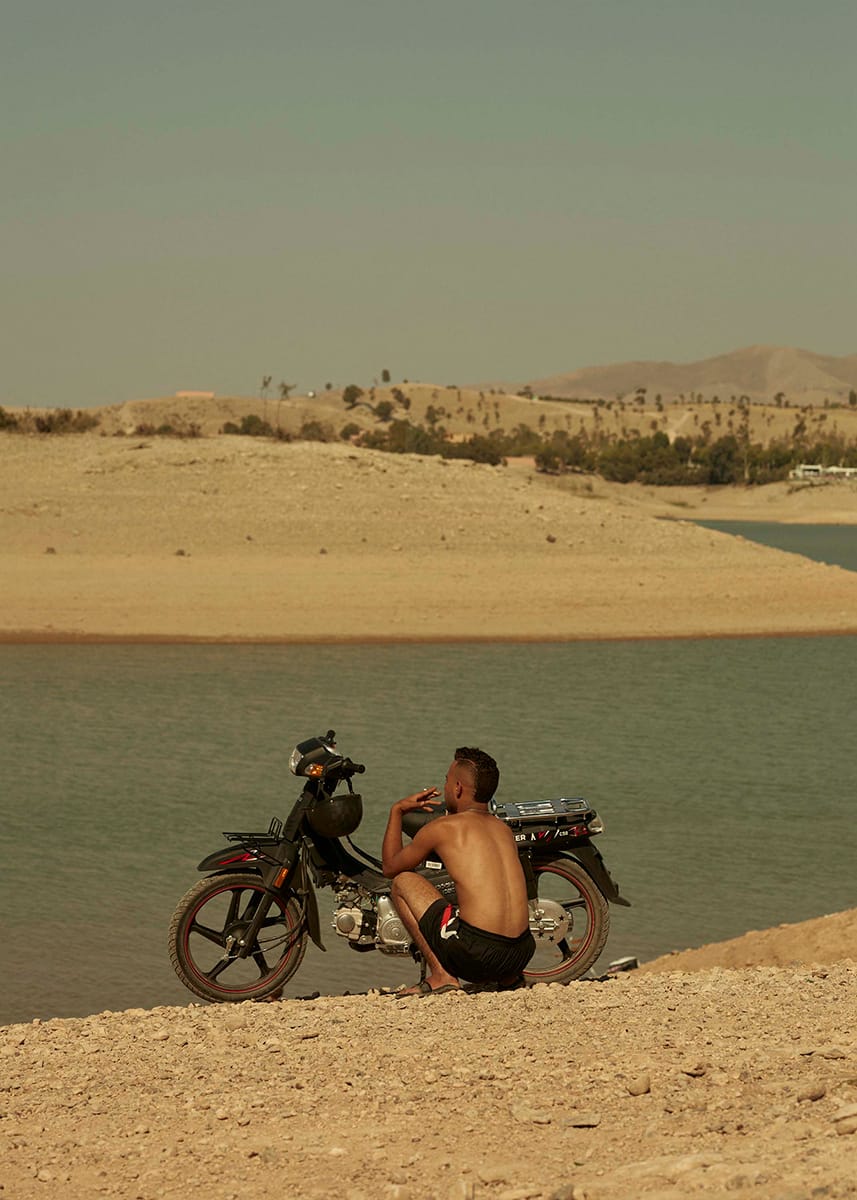
Endless play outdoors, football, swimming and a warm reunion with family members. With ‘Dreamland’, Mounir Raji pays tribute to life in Morocco as he experienced it. The artist was born and raised in the Zaan region in The Netherlands, but from early childhood spent his summers in the country where his family migrated from. Like many other Dutch Moroccan families, the Raji family visited their homeland during the holidays.


For Raji, summer holidays in Morocco were like a dream, something he looked forward to all year. Yet how could it be that his family in Morocco dreamed of a life in the Netherlands? This thought was the starting point for his long-running project ‘Dreamland’. He spent five years travelling across much of the country with his camera, searching for what he misses in the Netherlands. He captures his second home in the colours of the late summer sun and portrays feelings of freedom, trust and hope while zooming in on the everyday. His photographs evoke a longing for a country that doesn’t really exist, depicting his “own romanticised view,” as he explains.