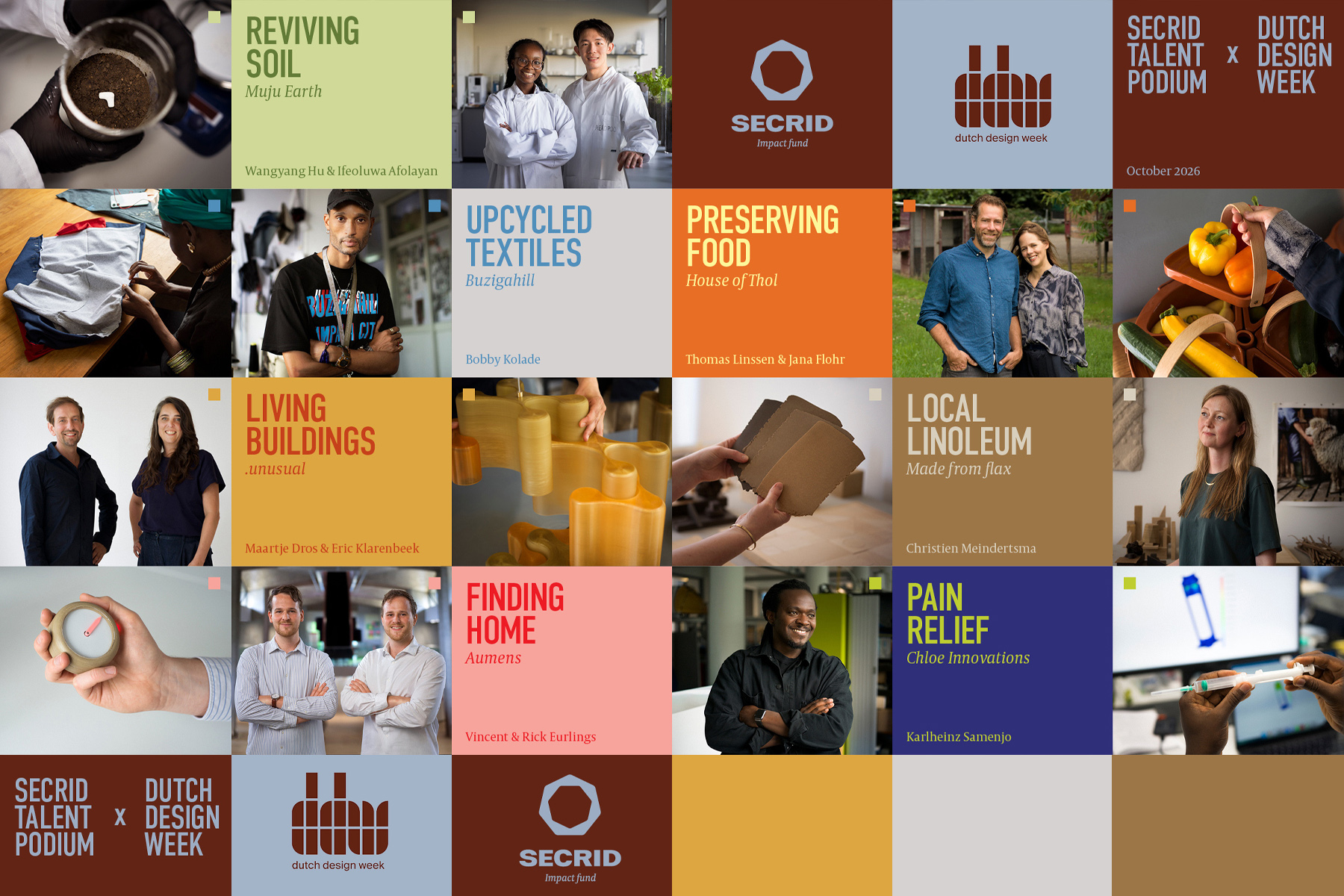
Five years after its launch, Secrid Talent Podium has supported fifty designers in bringing innovative ideas closer to real-world application. During Dutch Design Week, from 17 to 25 October in Eindhoven, Secrid celebrates the milestone by presenting seven new designers addressing urgent social and environmental challenges, from dementia-friendly design and pain relief in gynaecological care to depleted agricultural soil and textile waste.
Since 2022, the initiative has combined a public platform with coaching, publicity, professional networks and €7,777 in funding per designer, referencing Secrid’s seven holistic design principles. Its ambition extends beyond visibility: helping designers move from promising concepts to practical implementation and scale.
The results are tangible. A meeting during Dutch Design Week led to a pilot involving 50,000 PFAS-free Claybens bricks by Emy Bensdorp in Doetinchem. PulpaTronics won the H&M Global Change Award, while other participants secured funding, presented work at Milan Design Week or established lasting collaborations. Bas Timmer’s participation with Sheltersuit, for example, led to a partnership donating €10 to the Sheltersuit Foundation for every Secrid Cardprotector sold.
“Visibility alone is not enough,” says Secrid co-founder René van Geer. “Access to funding, expertise and the right network can make the difference between a promising idea and a design that is actually tested, produced and put to use.”
The community has also grown through Secrid’s collaboration with What Design Can Do, with selected winners joining the platform each year.
Secrid Talent Podium 2026
For this anniversary edition, Secrid, in collaboration with the Dutch Design Foundation, has once again selected seven enterprising designers who demonstrate how design can contribute to solutions for current social and industrial challenges.
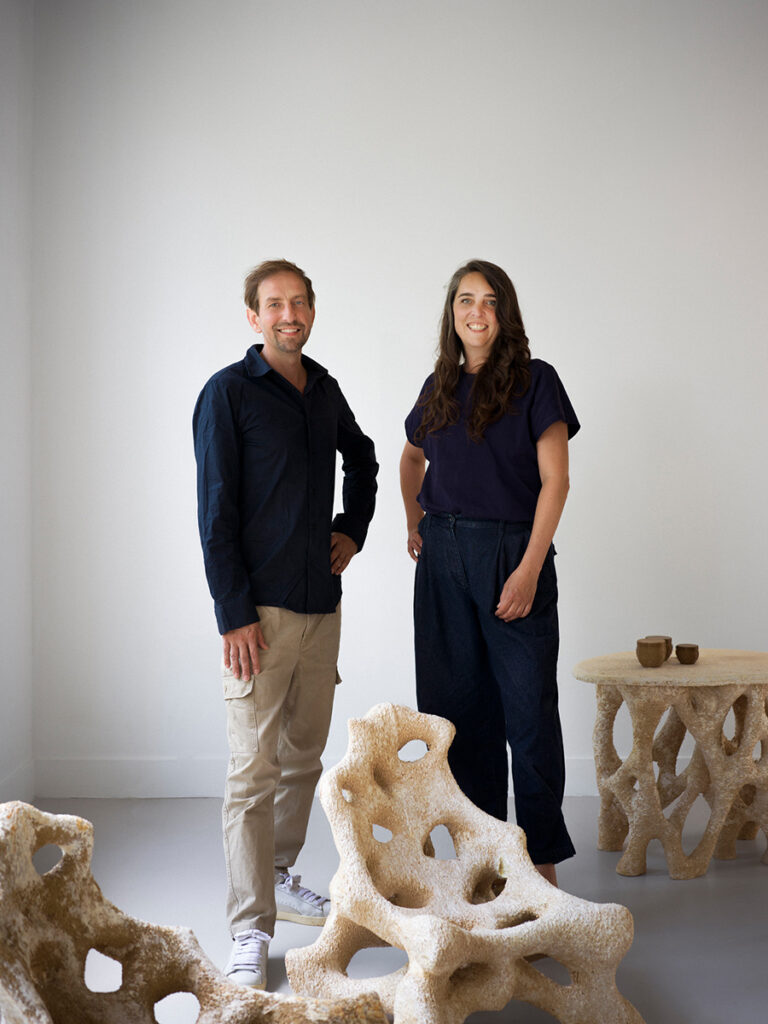
Maartje Dros & Eric Klarenbeek | .unusual
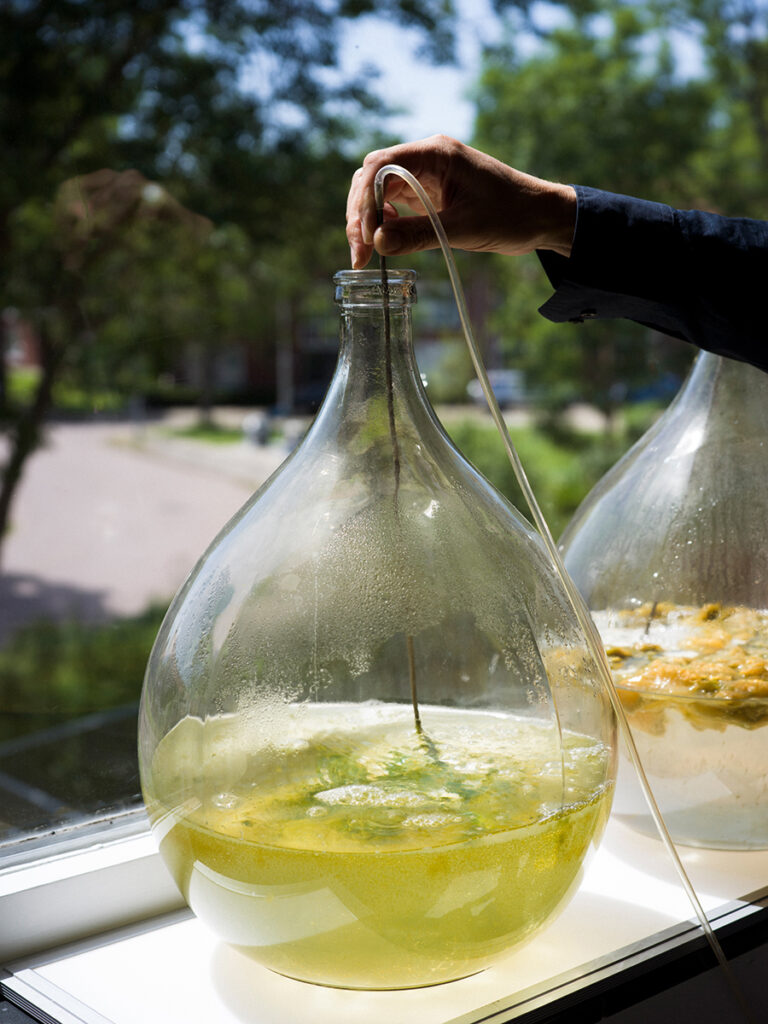
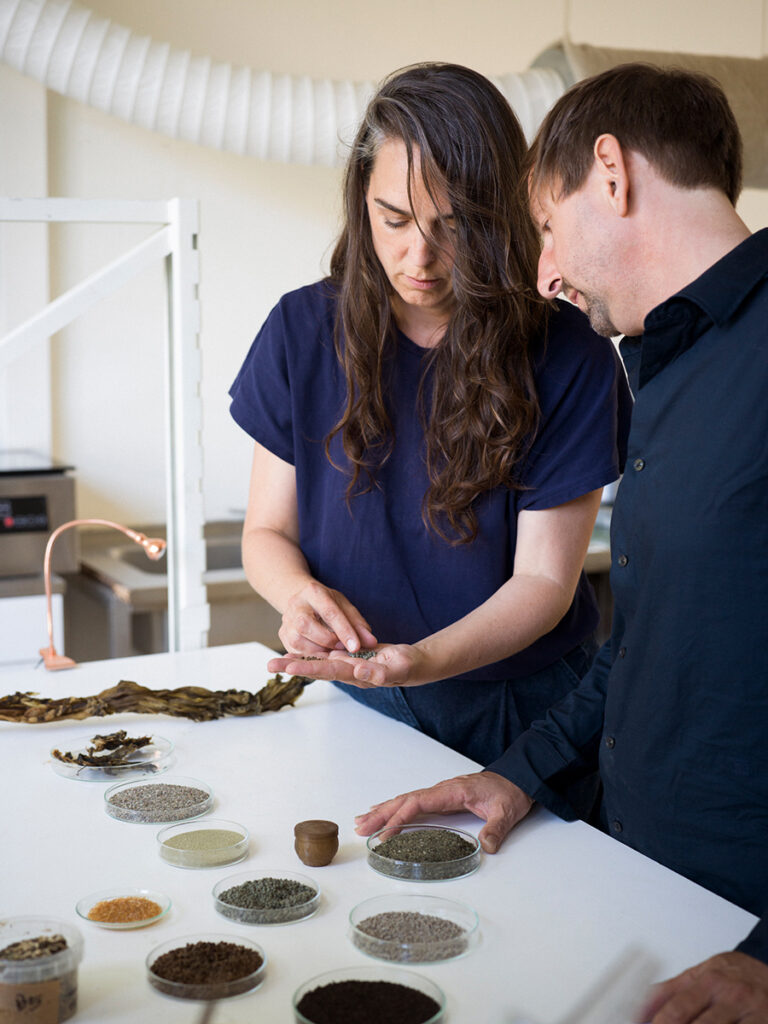
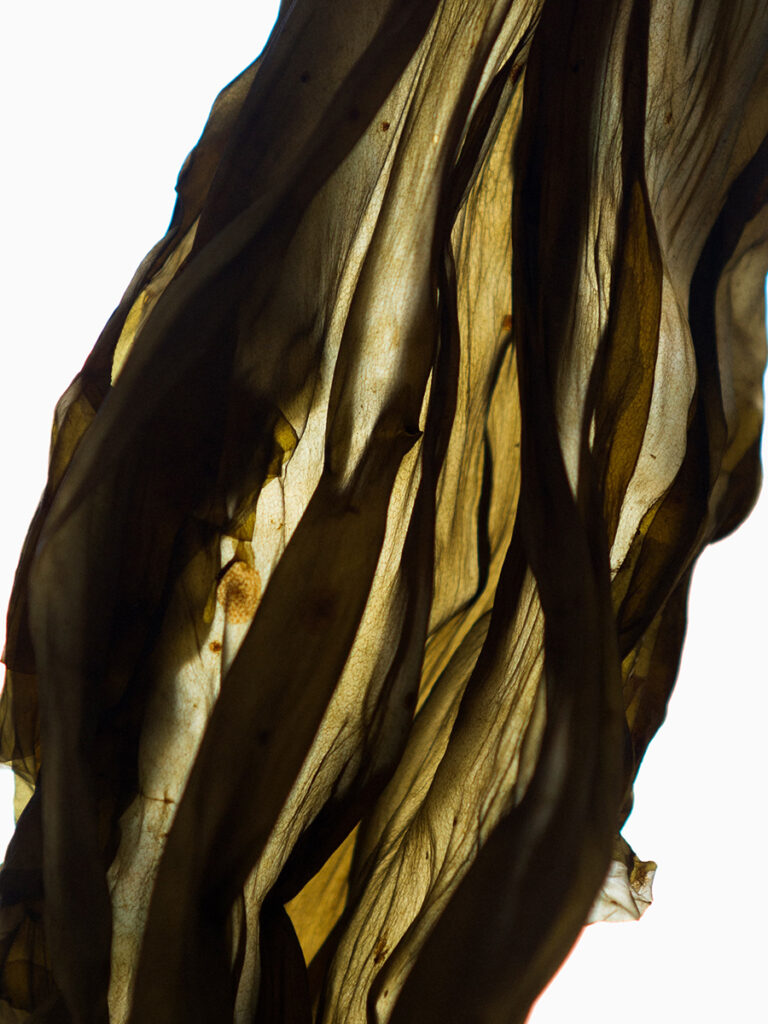
Through their studio .unusual, Maartje Dros and Eric Klarenbeek explore how bio-based materials and innovative manufacturing techniques can transform industry. Using algae, mycelium and 3D printing, they develop alternatives to extractive resources and conventional production processes. In their workshop-laboratory, they experiment with the industrial applications of living materials. Their practice envisions a regenerative production chain in which design not only reduces environmental impact but also contributes to restoring natural systems.
Bobby Kolade | Buzigahill
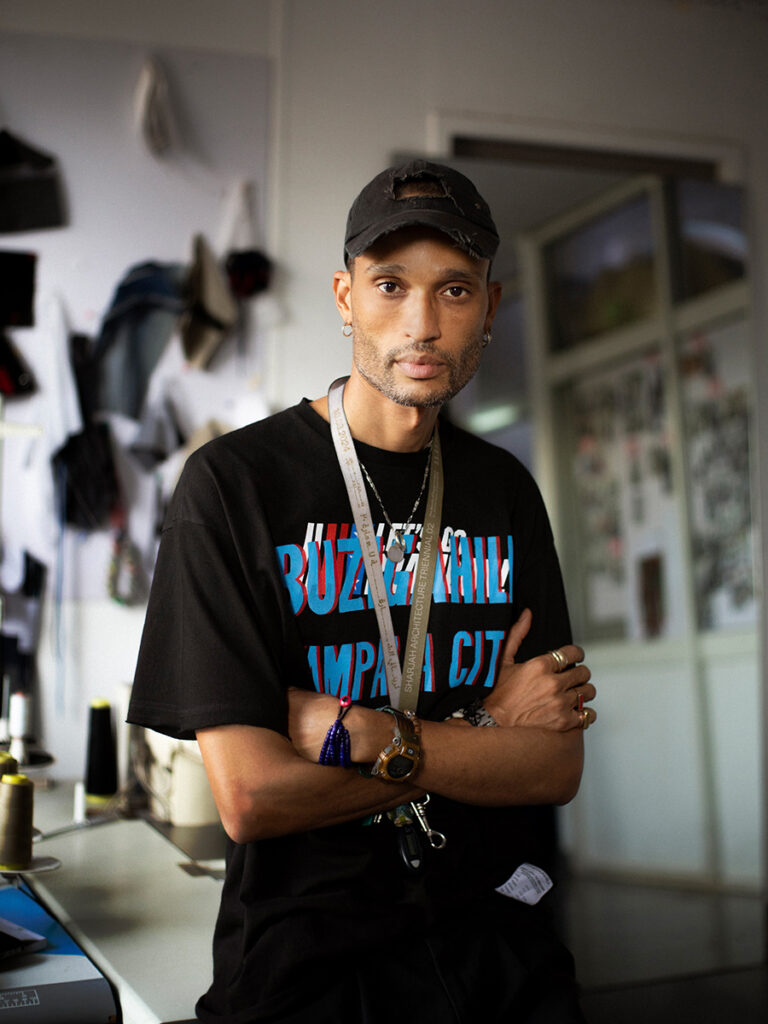
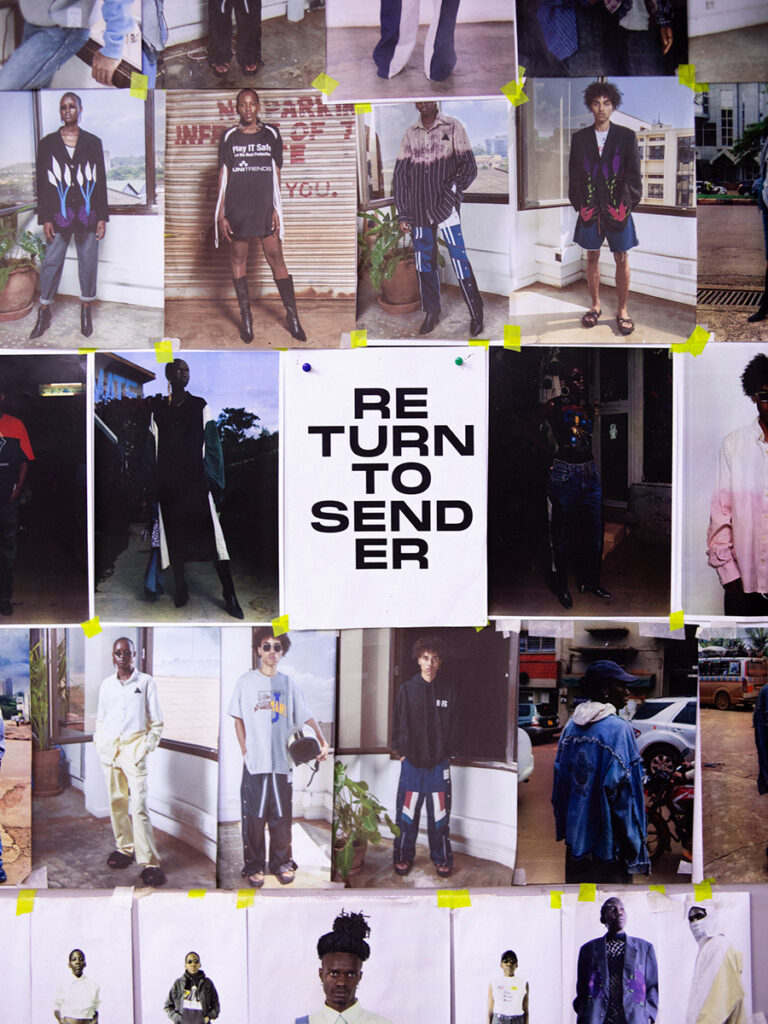
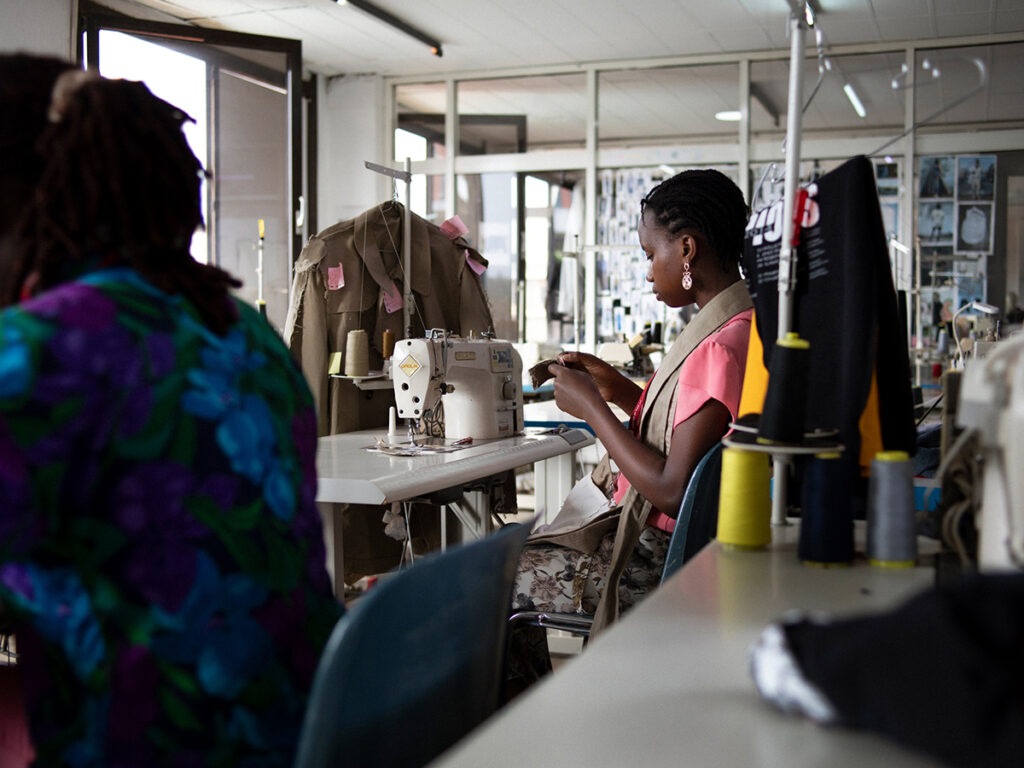
Buzigahill, the circular fashion label founded by designer and activist Bobby Kolade, turns the global clothing supply chain on its head. From Kampala, the label transforms discarded second-hand garments from the Global North into exclusive new fashion, which is then sent back to its countries of origin. Through its Return To Sender concept, Buzigahill challenges the unequal distribution of production and waste while fostering local craftsmanship, employment and the development of an independent Ugandan fashion industry.
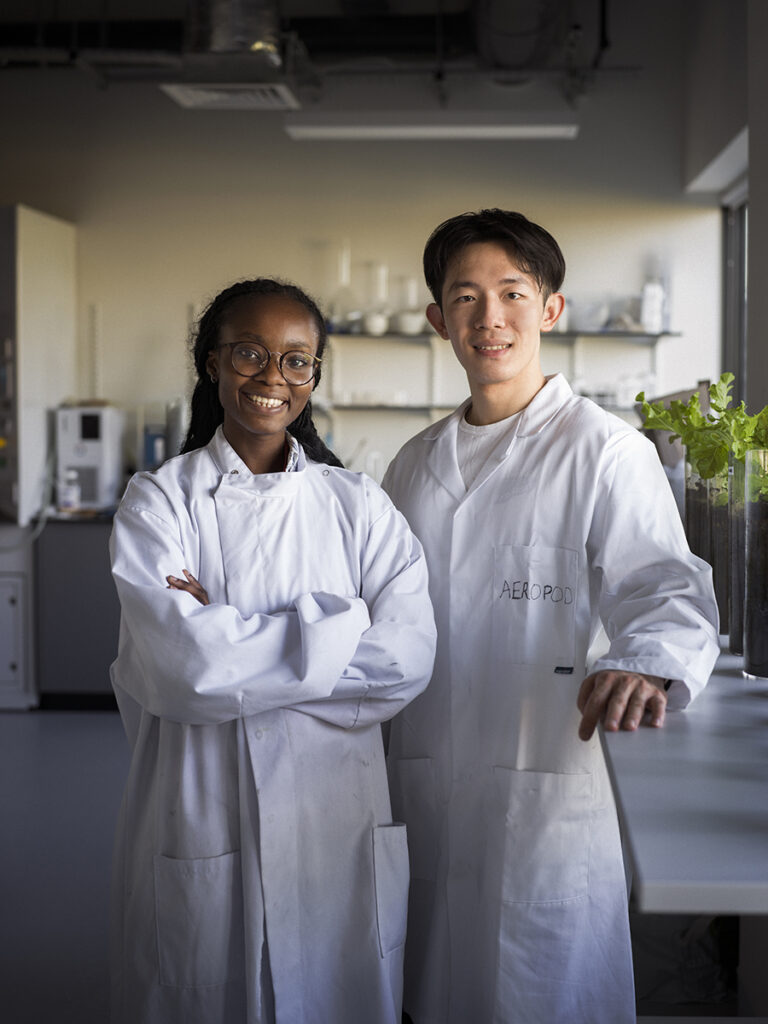
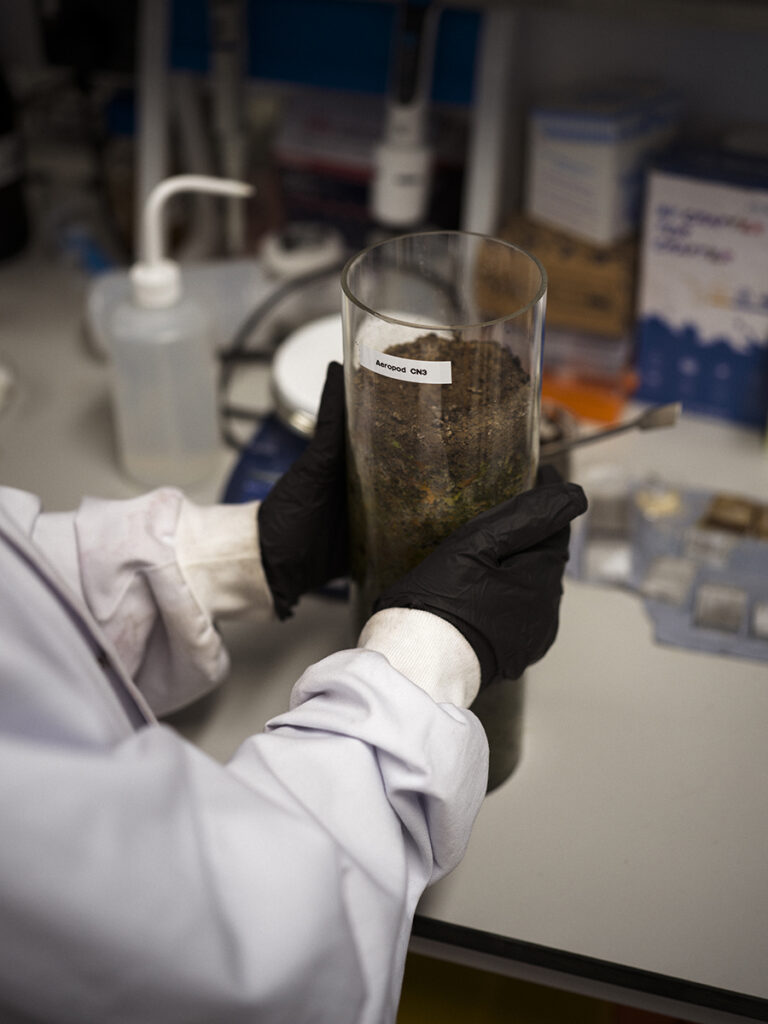
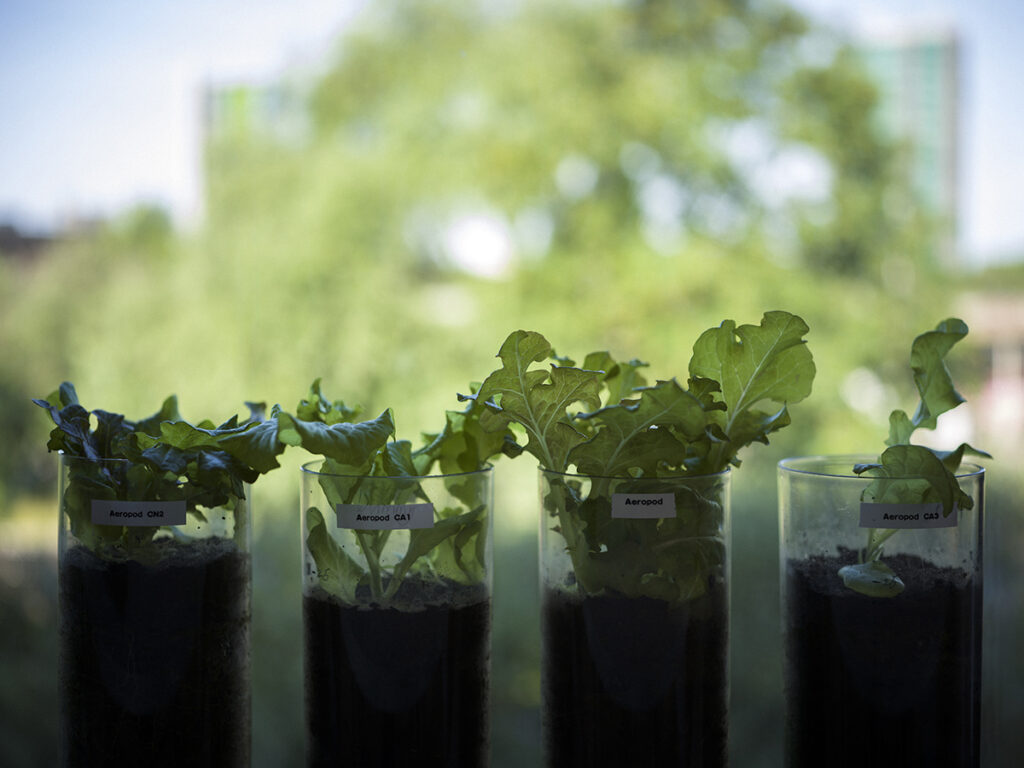
Ifeoluwa Afolayan & Wangyang Hu | Aeropod door Muju Earth
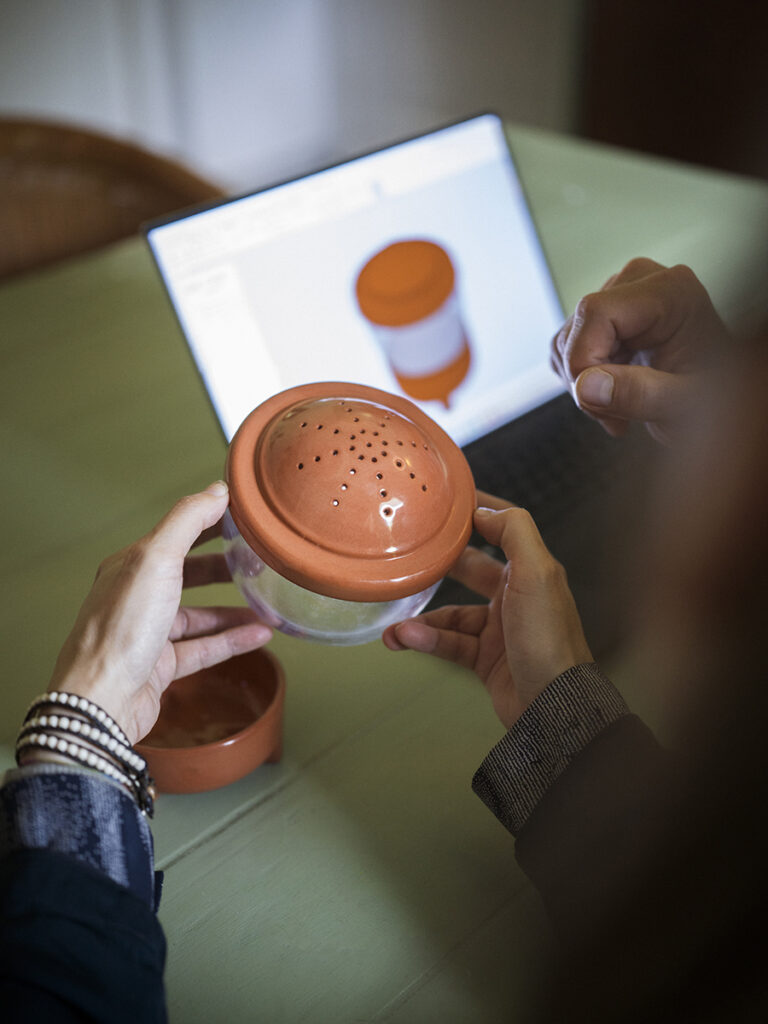
With Muju Earth Technologies, founders Ifeoluwa Afolayan and Wangyang Hu aim to accelerate the transition to regenerative, climate-resilient agriculture. Their design, Aeropod, is a biodegradable capsule introduced into the soil during sowing. Triggered by pressure and moisture, it opens underground, creating space for air and water to penetrate, helping alleviate soil compaction and stimulate soil biodiversity.
Christien Meindertsma | Local Linoleum
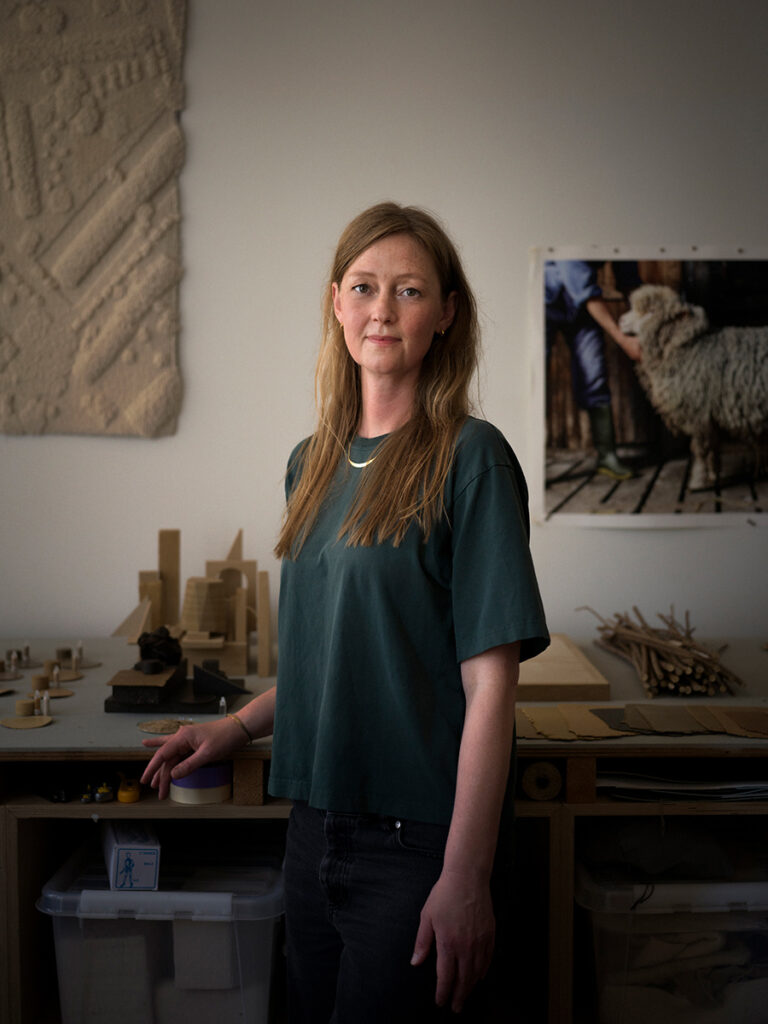
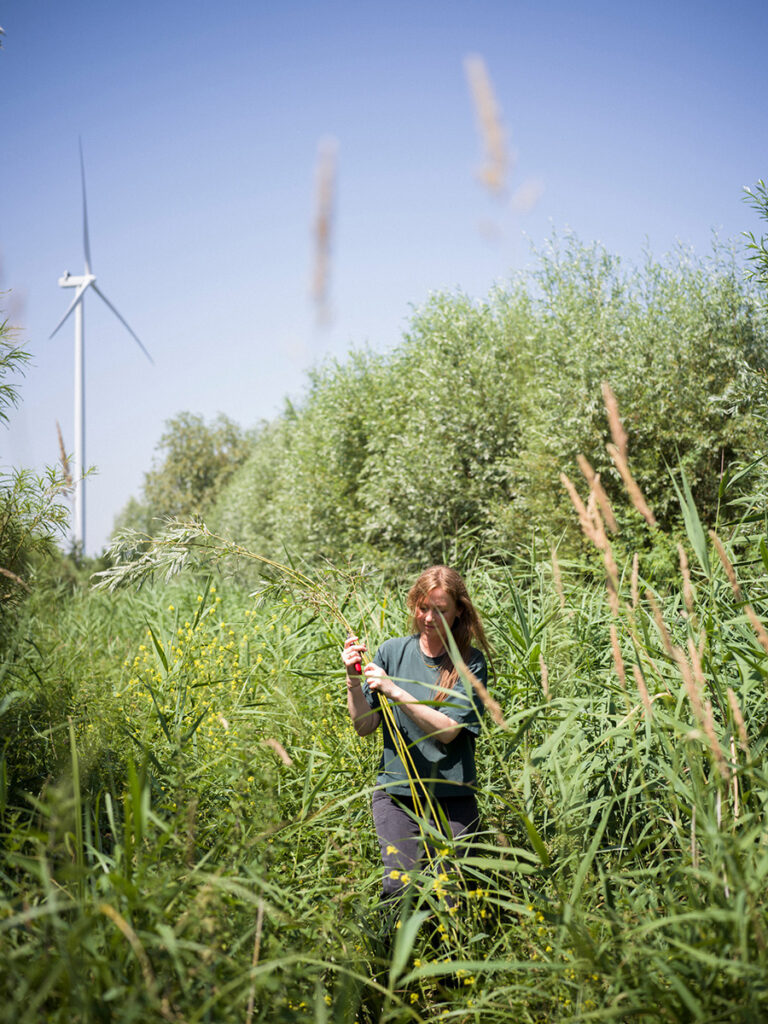
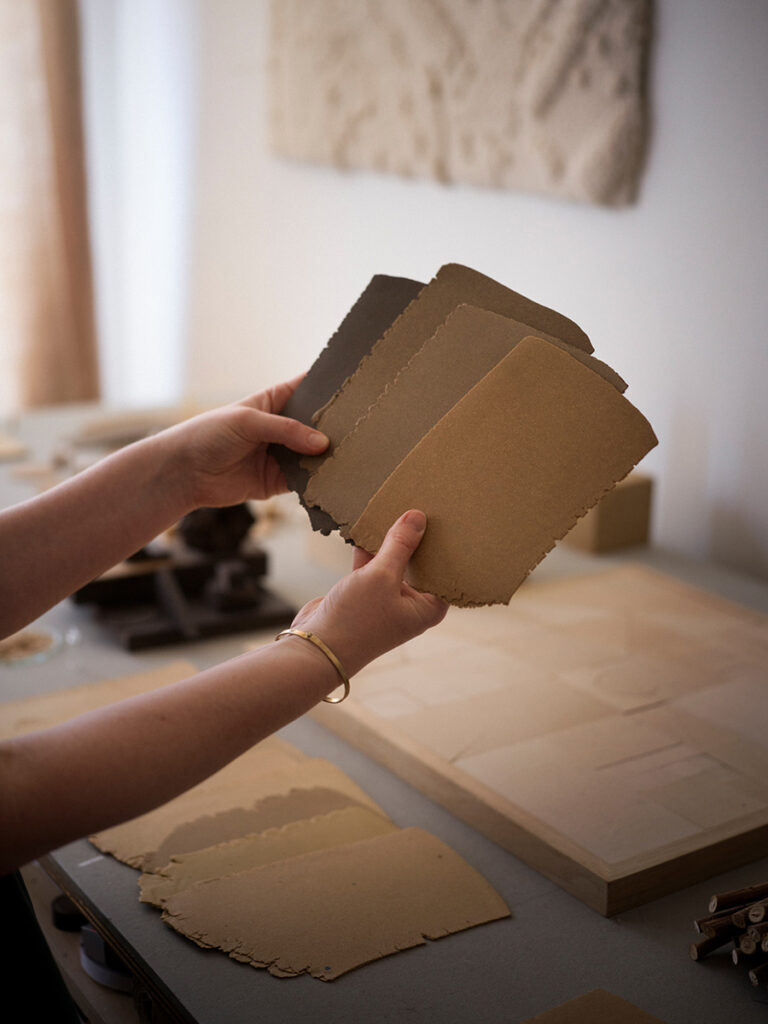
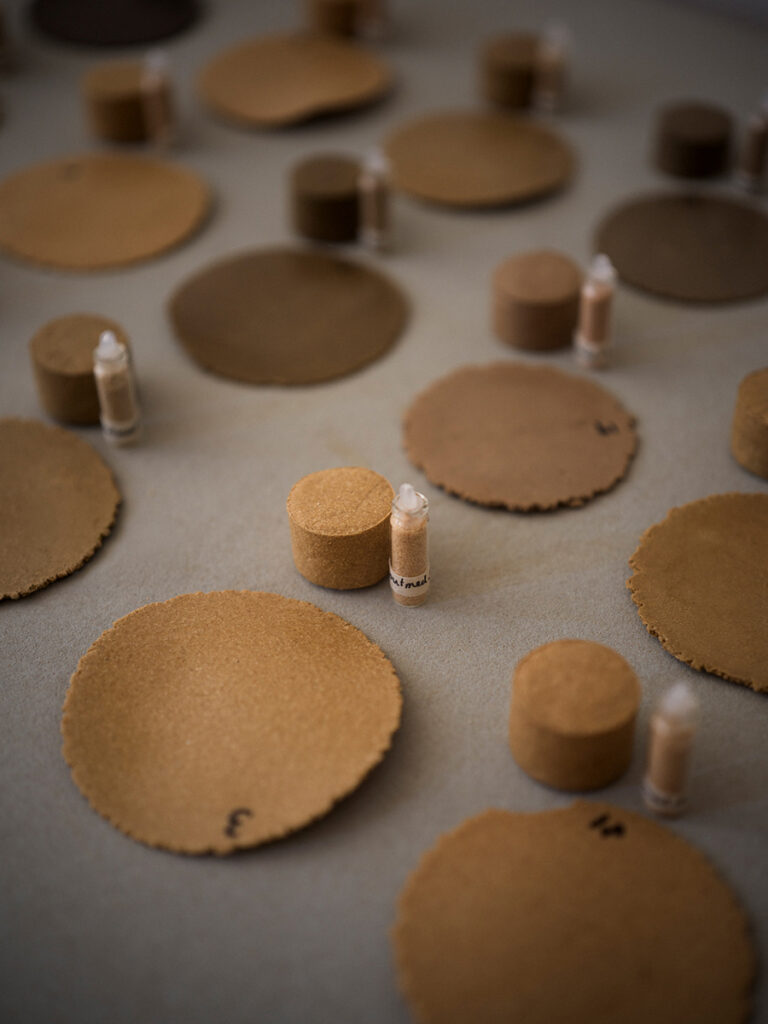
Christien Meindertsma investigates the hidden origins of everyday materials and products. Through her research-driven design practice, she traces how raw materials are sourced, processed and used, exposing opaque production chains. Working with companies, she develops alternative materials and products, from linoleum tiles to 3D-printed wool. Through projects, books and exhibitions, Meindertsma connects historical material knowledge with contemporary innovation, advocating for more transparent, sustainable and locally rooted production.
Vincent & Rick Eurlings | Aumens
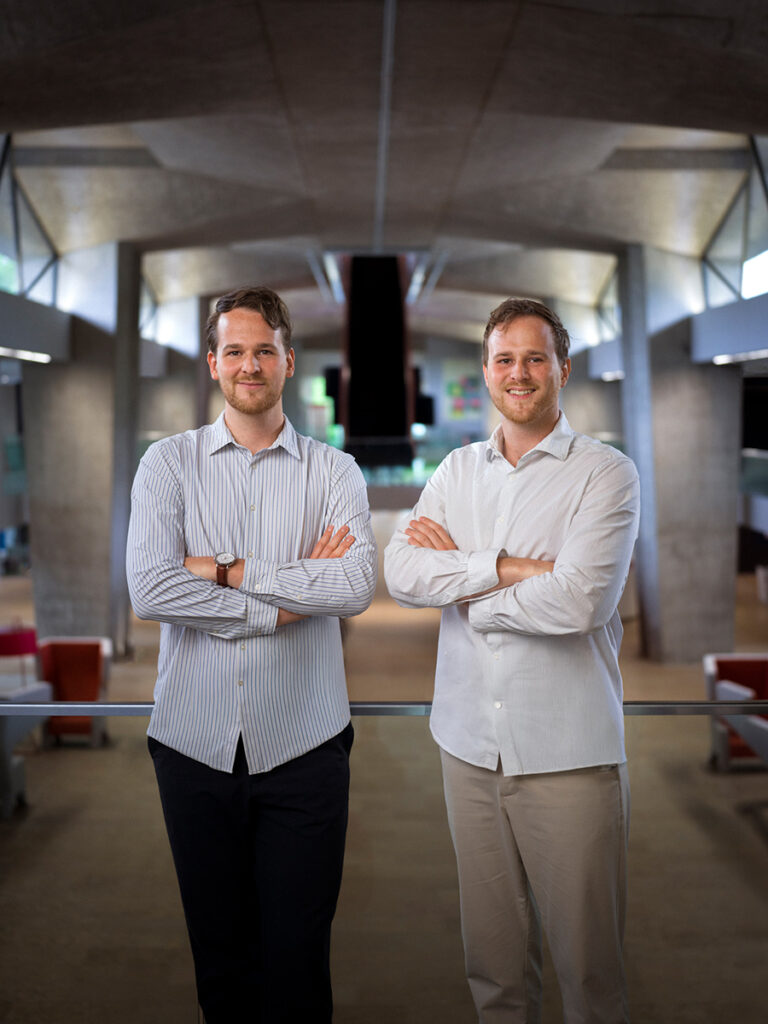
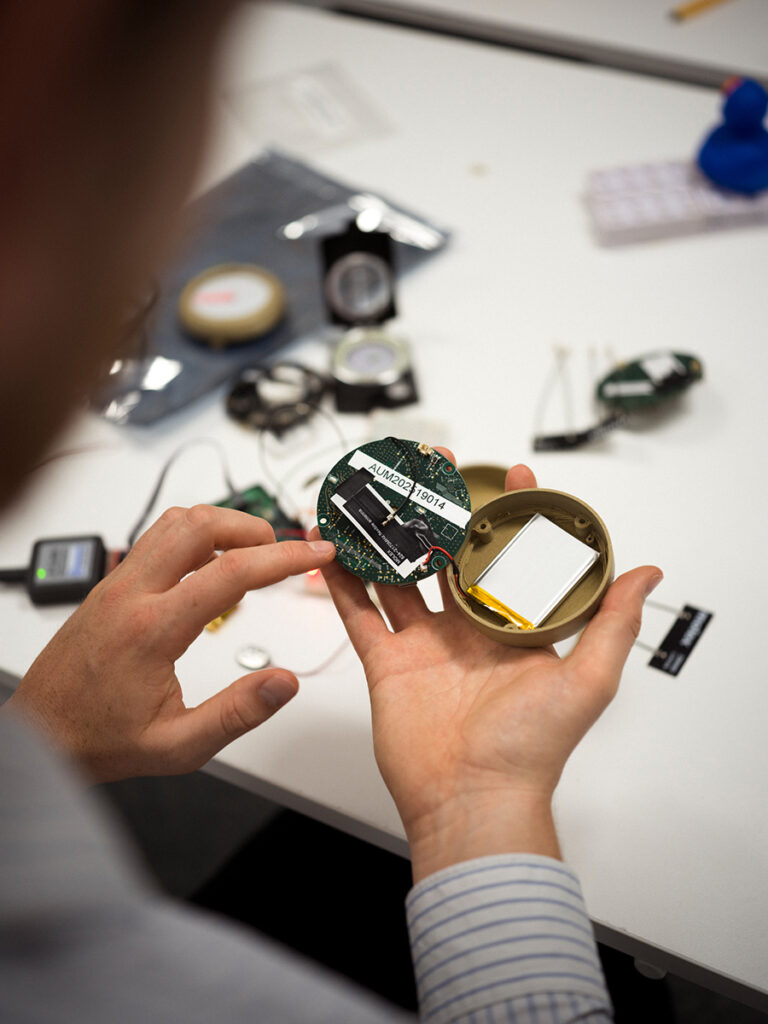
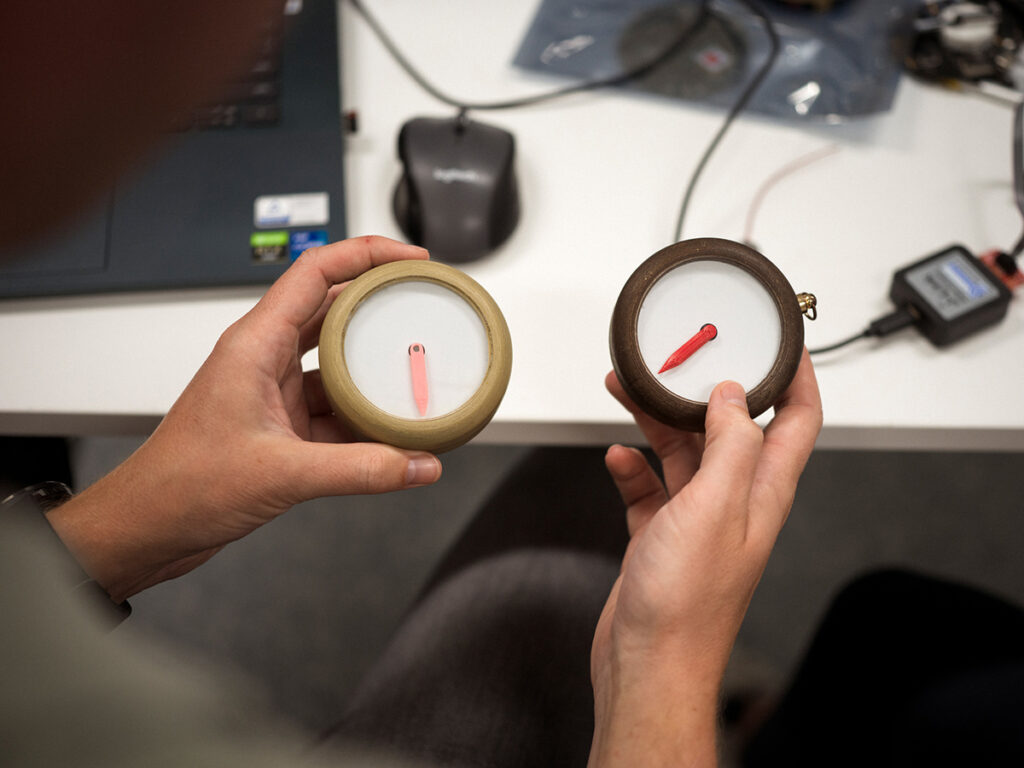
Aumens, the startup founded by Rick and Vincent Eurlings, developed Het Kompas, a compact navigation device that uses GPS to point towards a preset location. Its intuitive design helps people living with dementia navigate public spaces independently, without the stigma of a medical aid. An accompanying app keeps family members and caregivers informed while preserving the user’s freedom of movement. Aumens thus brings thoughtful design and technology together to support greater autonomy and quality of life.
Thomas Linssen & Jana Flohr | House of Thol
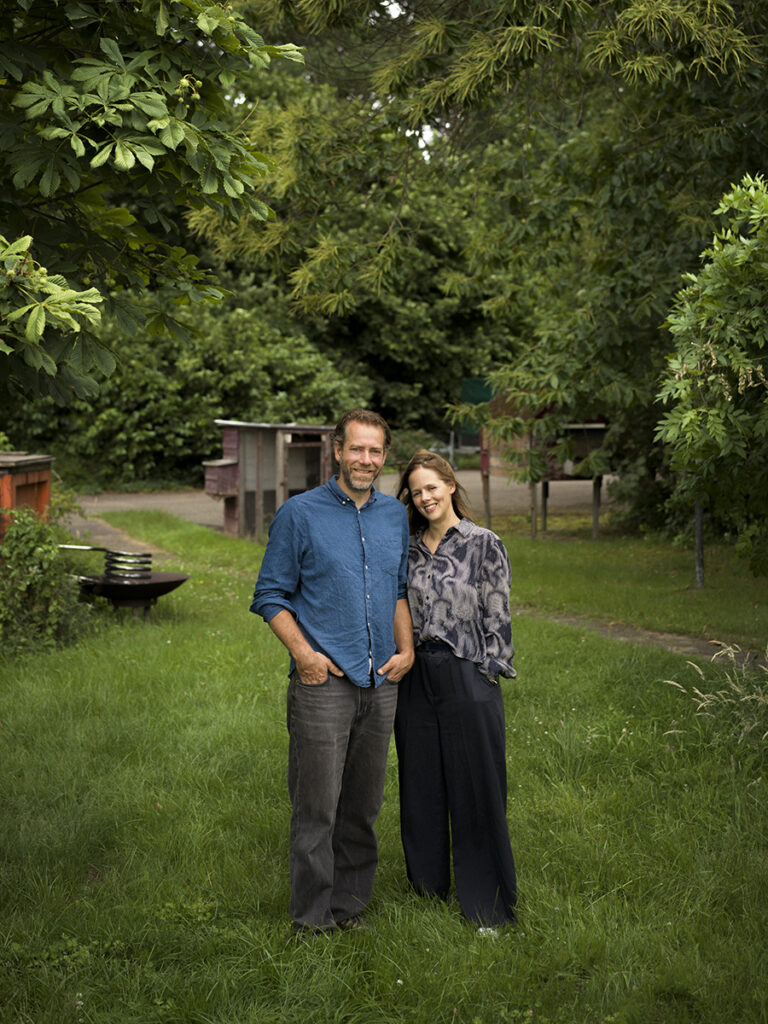
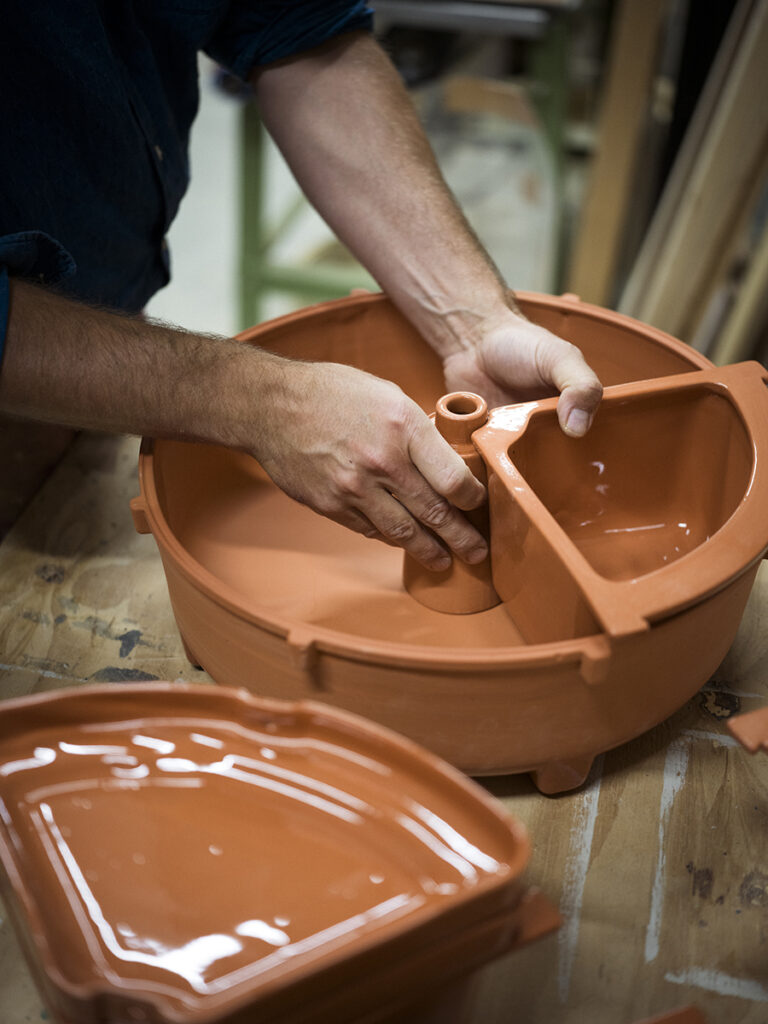
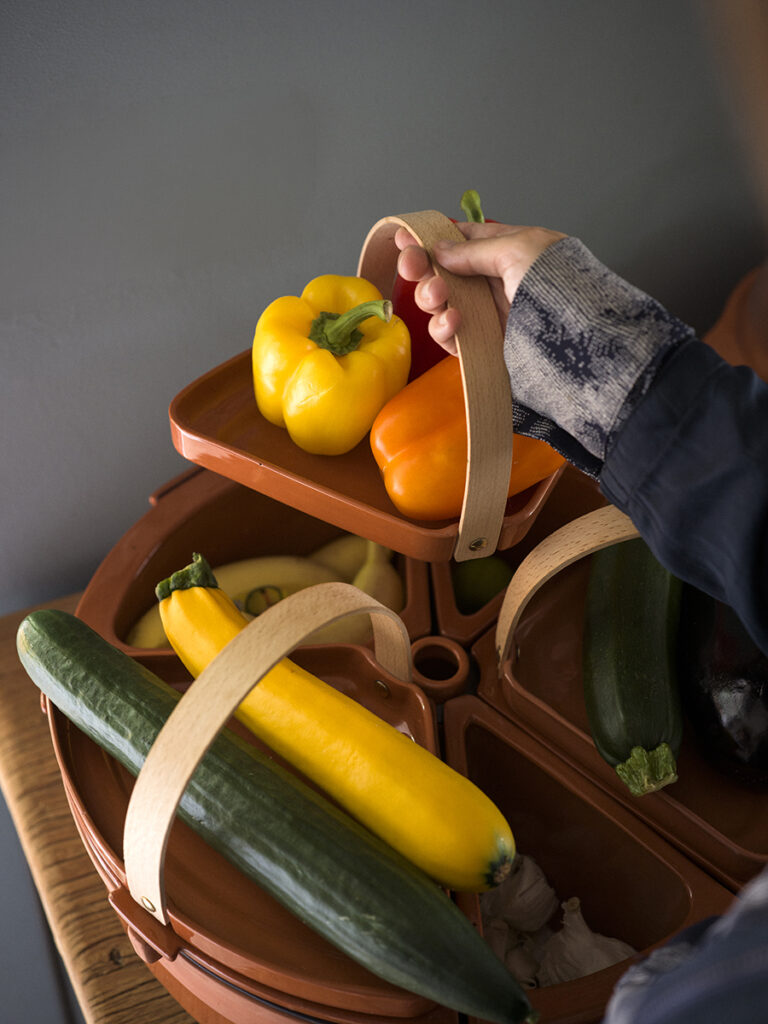
House of Thol, the design studio and brand founded by Jana Flohr and Thomas Linssen, translates urgent ecological challenges into practical, sustainable products. Through user-friendly designs that encourage home growing, healthier eating and more mindful food storage, the duo aims to reduce food waste. House of Thol makes sustainable living accessible and appealing, demonstrating how everyday design choices can contribute to healthier lifestyles and a smaller environmental footprint.
Karlheinz Samenjo | Chloe Innovations
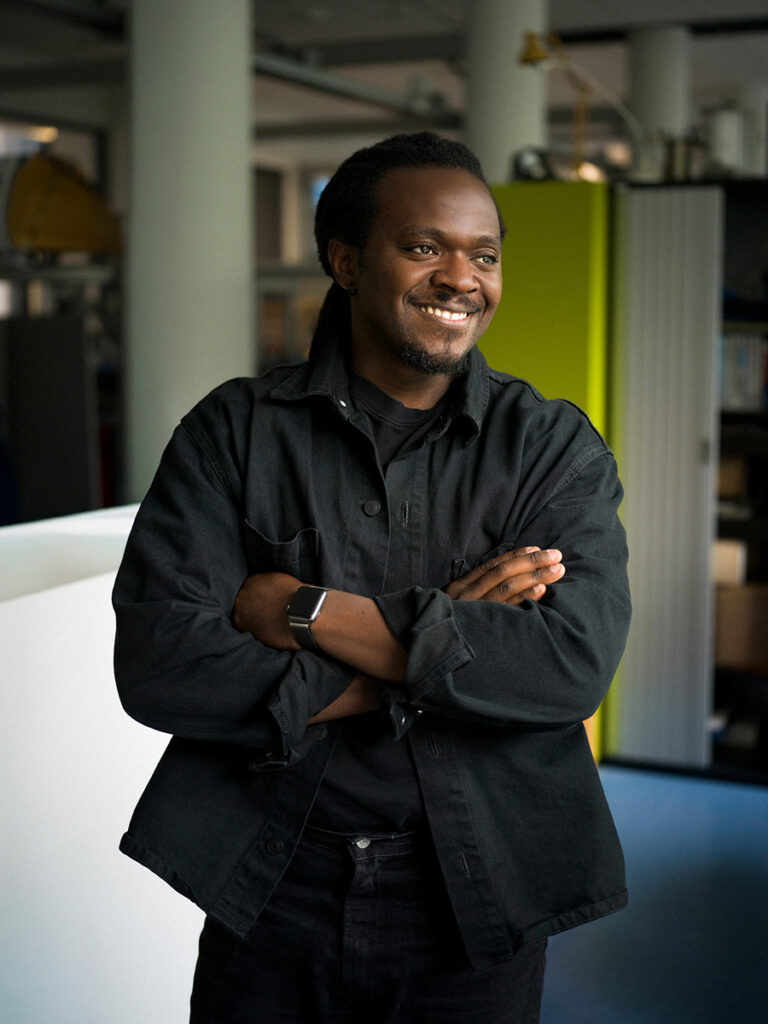
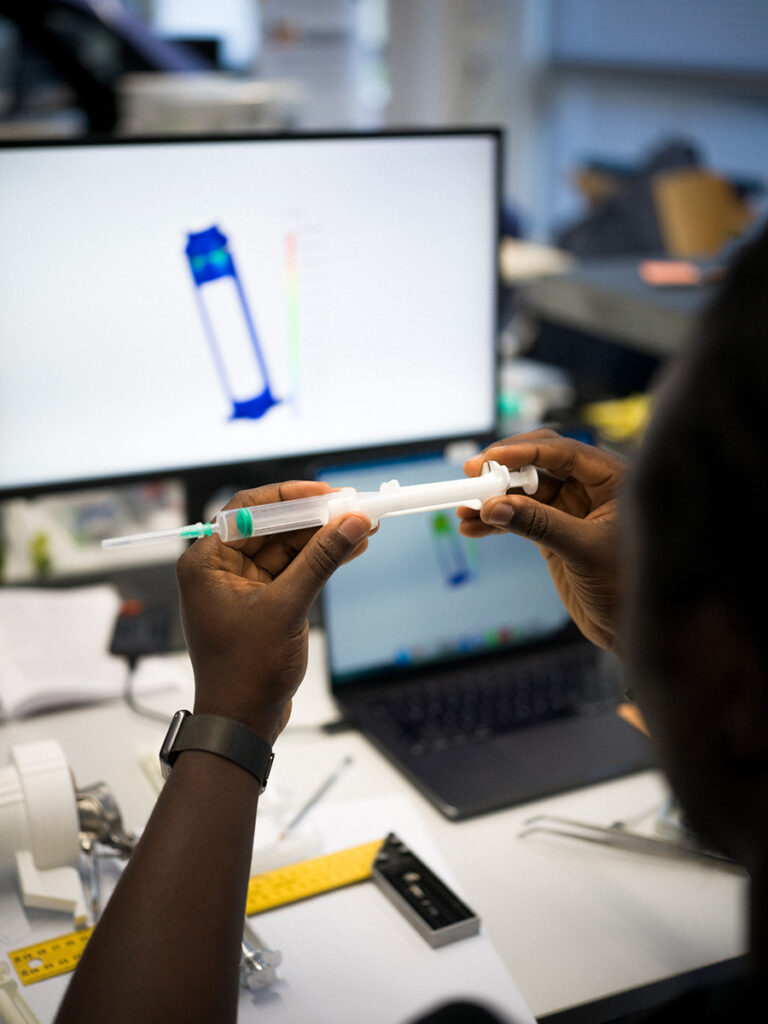
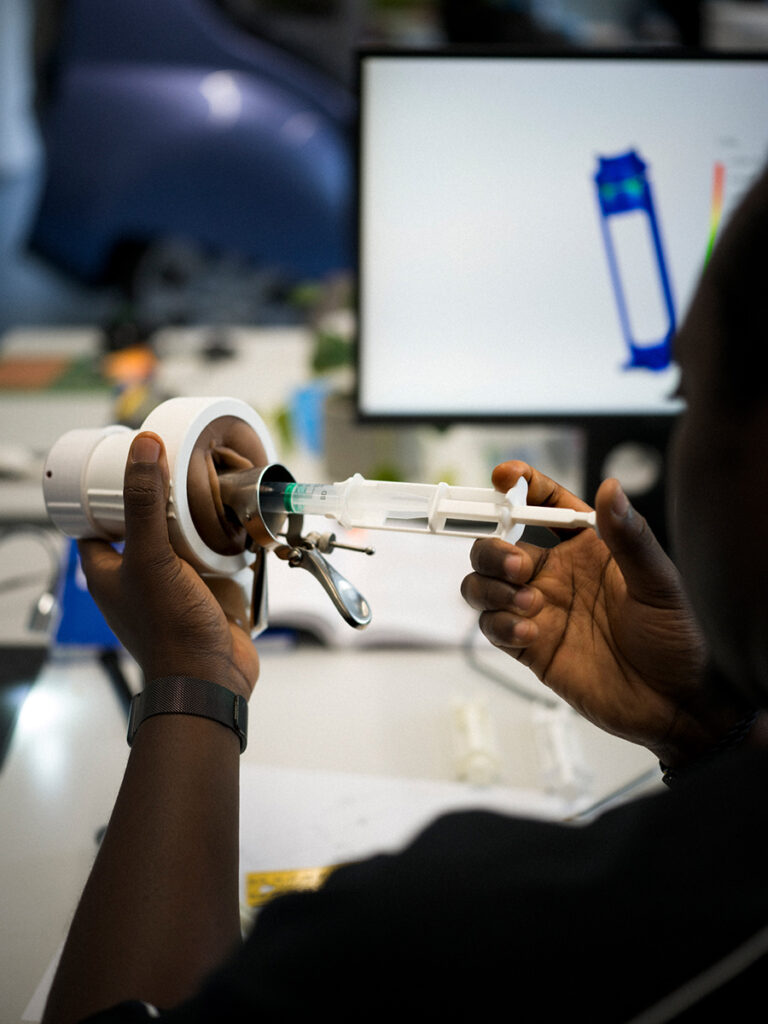
Chloe Innovations develops affordable medical devices to improve access to safe pain relief during gynaecological procedures. Designer Karlheinz Samenjo has created an extension for a standard syringe, enabling a short needle to reach the cervix for local anaesthesia. Combining ease of use with durability and hygiene, the device is made from recyclable plastic and withstands sterilisation. Designed for resource-constrained healthcare settings, it can be reused up to 25 times.

Dutch Design Week 2026
17–25 October
Eindhoven
ddw.nl
Photography: Blickfanger

