The 1950s marked the beginning of the plastic era. Since then, the global production of plastic has risen to an astonishing 300 million tons of plastic annually. Much of this plastic ends up in our environment as micro plastics, creating significant problems for our planet natural systems.
The clothing industry is a major contributor to this problem, responsible for 4% to 35% of micro and macro plastic pollution, mainly from discarded synthetic clothes.
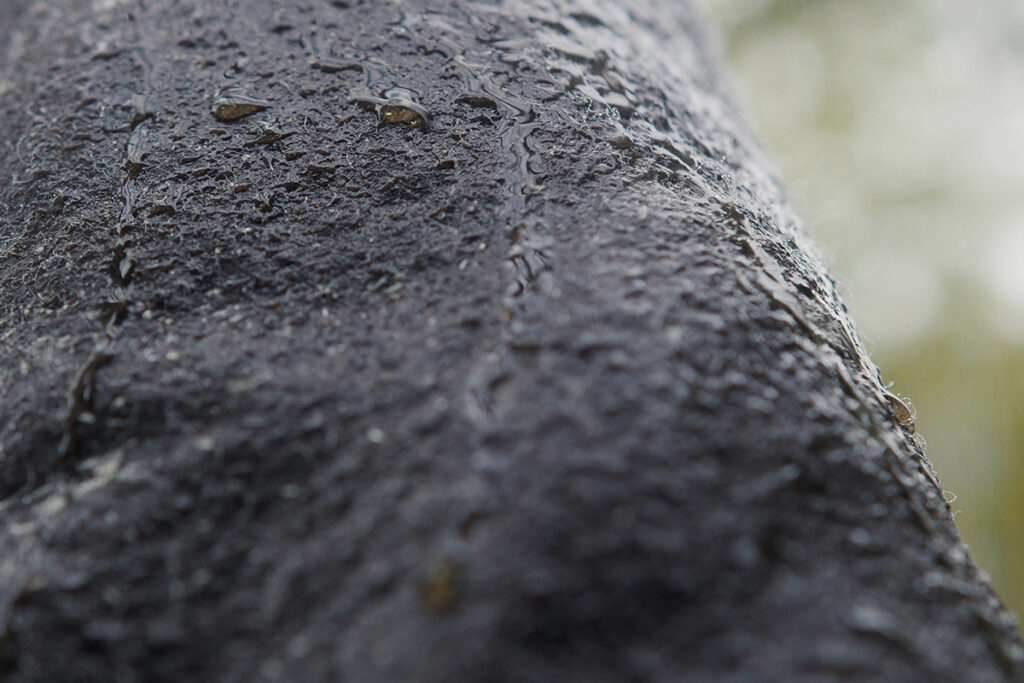
Responding to this problem, Wetlands pioneered alternatives to plastic outdoor clothing by developing a water-resistant and 100% biodegradable material made from wool, linen, linseed oil, and seaweed derivatives. To demonstrate its use, the material was transformed into a stylish outdoor jacket designed to withstand light to moderate rain.
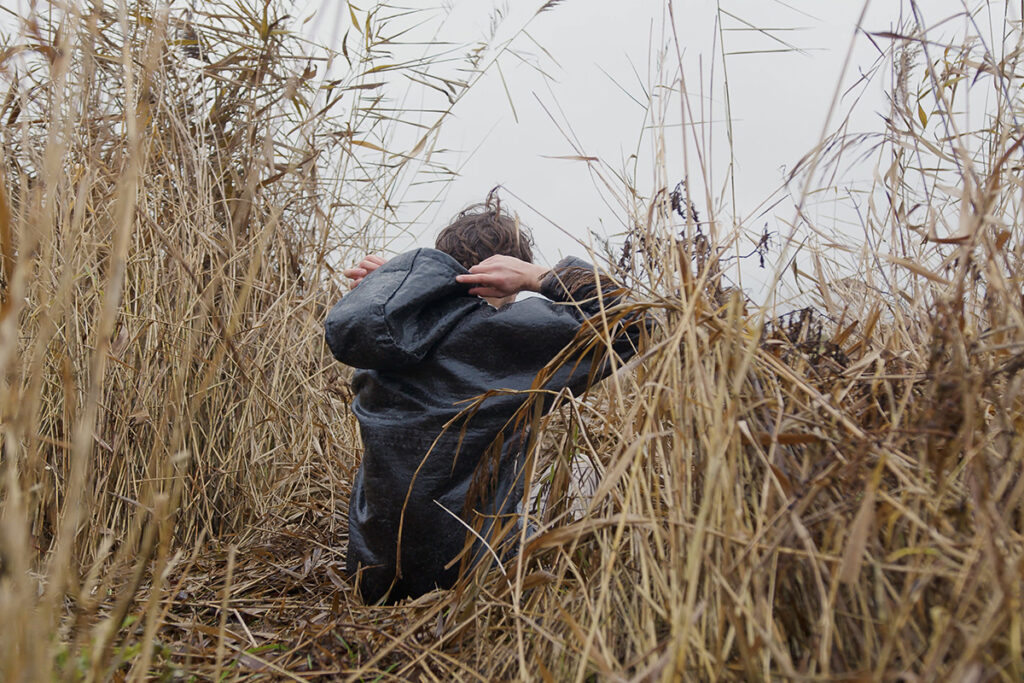


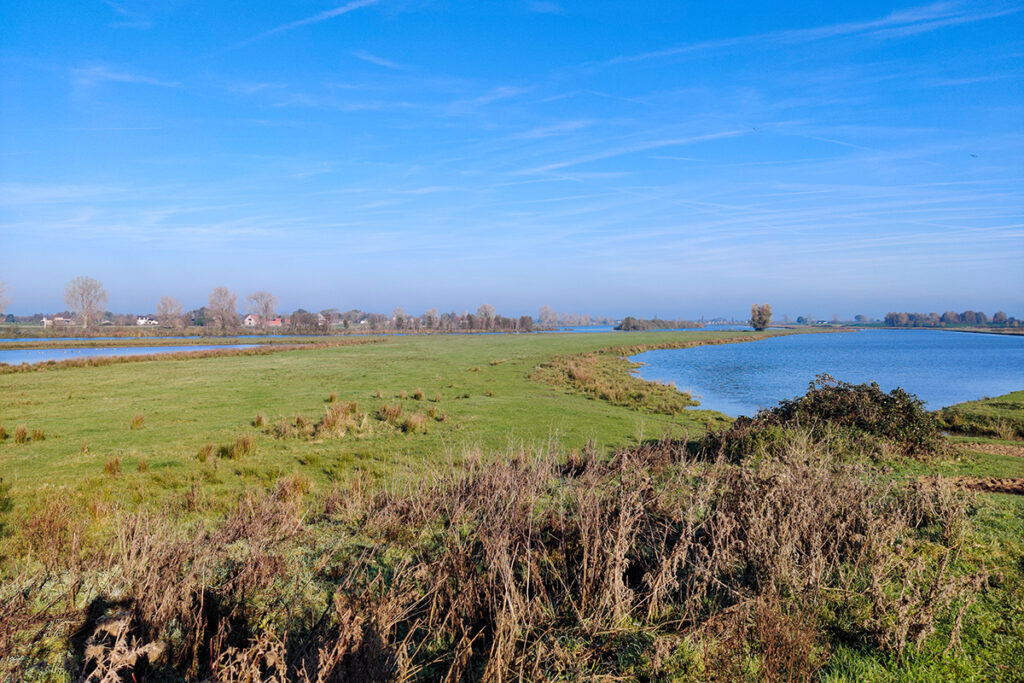
Beyond material innovation, a key focus of the project was to explore whether and how ecosystem revitalisation could be integrated into the material design and production process. This study took place in the Hemelrijkse Waard, the floodplains along the Maas between Lithoijen and Oijen.
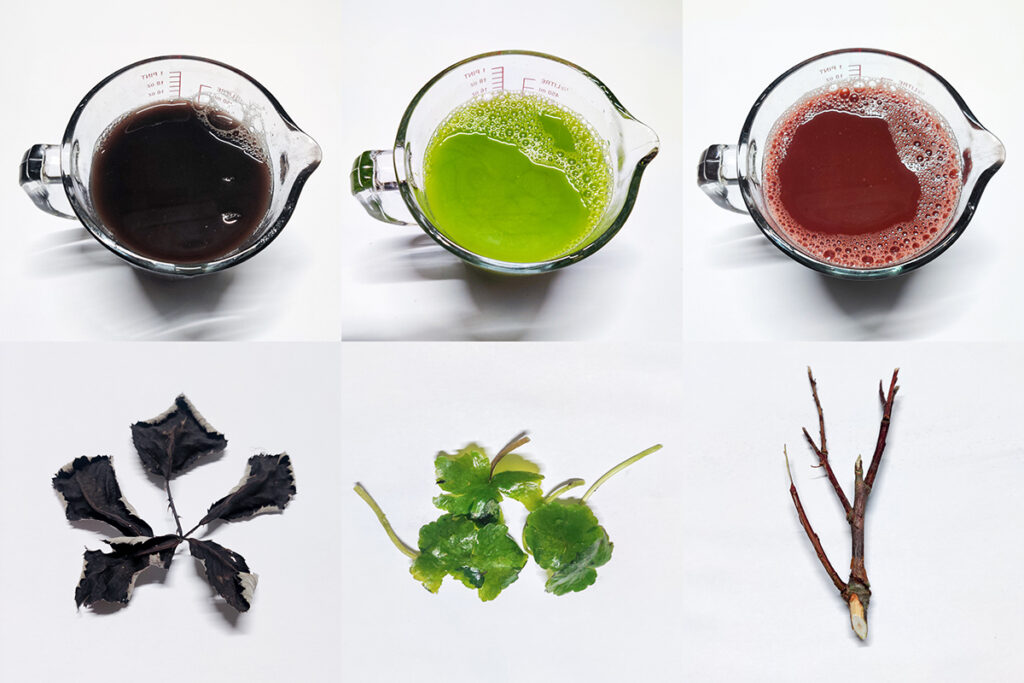
Through an in-depth landscape ethnography study, the project uncovered ways to use plant materials sourced from ecosystem conservation and landscape maintenance practices to produce natural dye. This process ultimately resulted in three distinctive colours, each used to dye the material in deep, saturated tones. In doing so, Wetlands not only created an eco-friendly alternative to synthetic clothing but also explored how (material) design can contribute to ecological regeneration.