Opinion by Lou Beeren
A good design begins with an idea, but it does not end there. Between the concept and the final product lies a complex process in which creativity, technology, functionality, manufacturability, and economic viability converge. It is precisely this interplay that makes design a professional discipline. Yet, this comprehensive approach seems to be increasingly fading into the background within contemporary design education.
Last week, the annual Dutch Design Week took place in Eindhoven. The theme of this edition was R.A.W. (Rebel, Authentic, Worth), with a focus on the human body. “In essence, every design revolves around the body”. That is true, though it has always been this way. From the first stone tools of prehistory to today’s most advanced computers, all are, in effect, prostheses for the human body, intended to improve the quality of life. The term ‘design’ is frequently used to describe this creative process—but what does the word actually mean?
The word ‘design’ originated in England and originally referred to the entire process of developing and producing goods and services. It no longer carries that meaning at all. Today, ‘design’ is a term applied to everything, it has become a marketing buzzword. Any hairdresser worth their salt now calls themselves a ‘hair designer,’ a pastry chef becomes a ‘food designer,’ and a fitnesscenter brands itself as ‘body design.’ Our museum shops are packed with ‘design’ trinkets.
Recently, during a presentation, I asked two women what they understood by the term “design.” One replied, “Those are the kinds of products that are expensive but impractical.” The other took a moment to think before saying, “Personally, I quite like them, but my husband prefers things to be a bit more ‘cozy’, more inviting.” So, this is what we “designers” have managed to create.
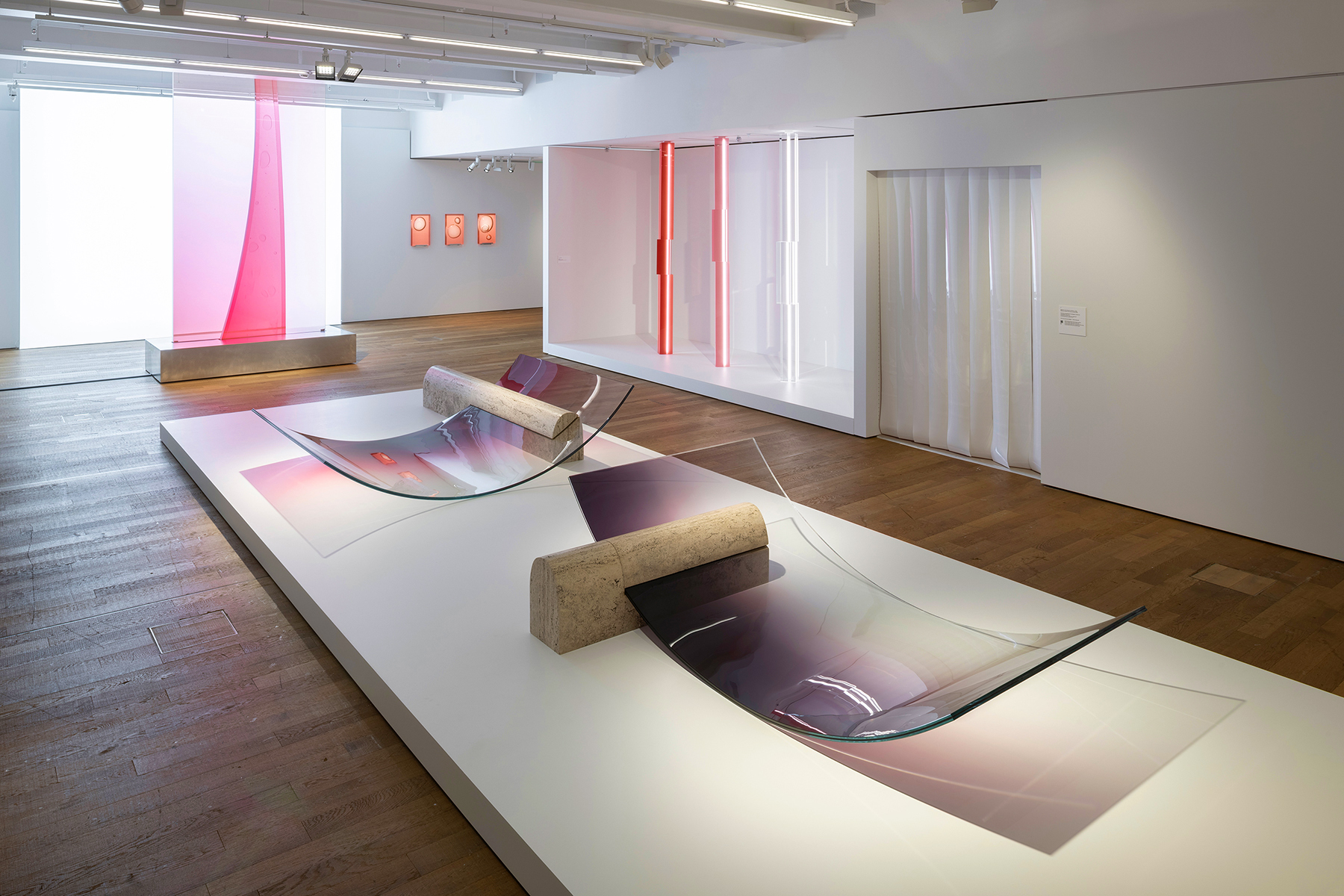
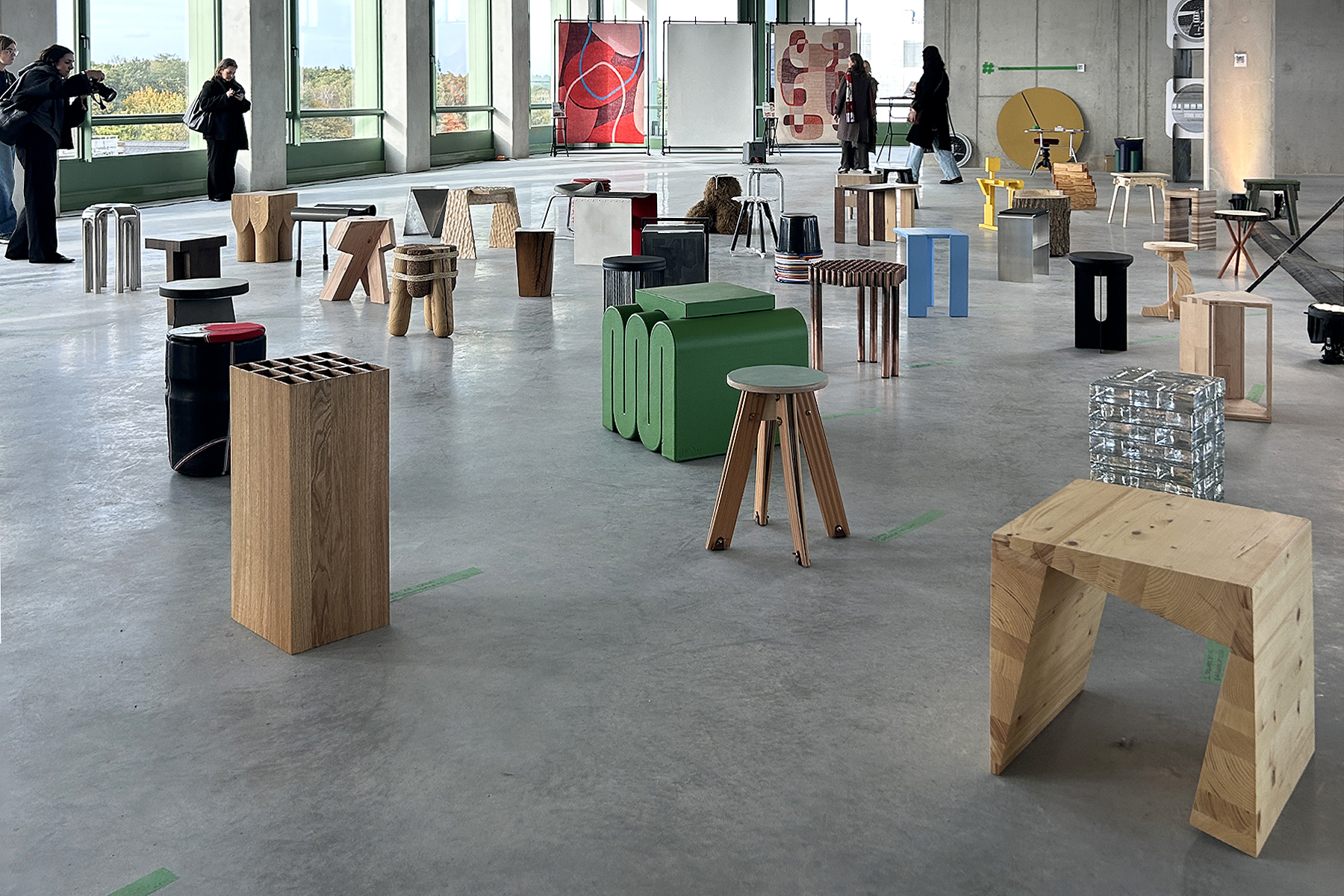
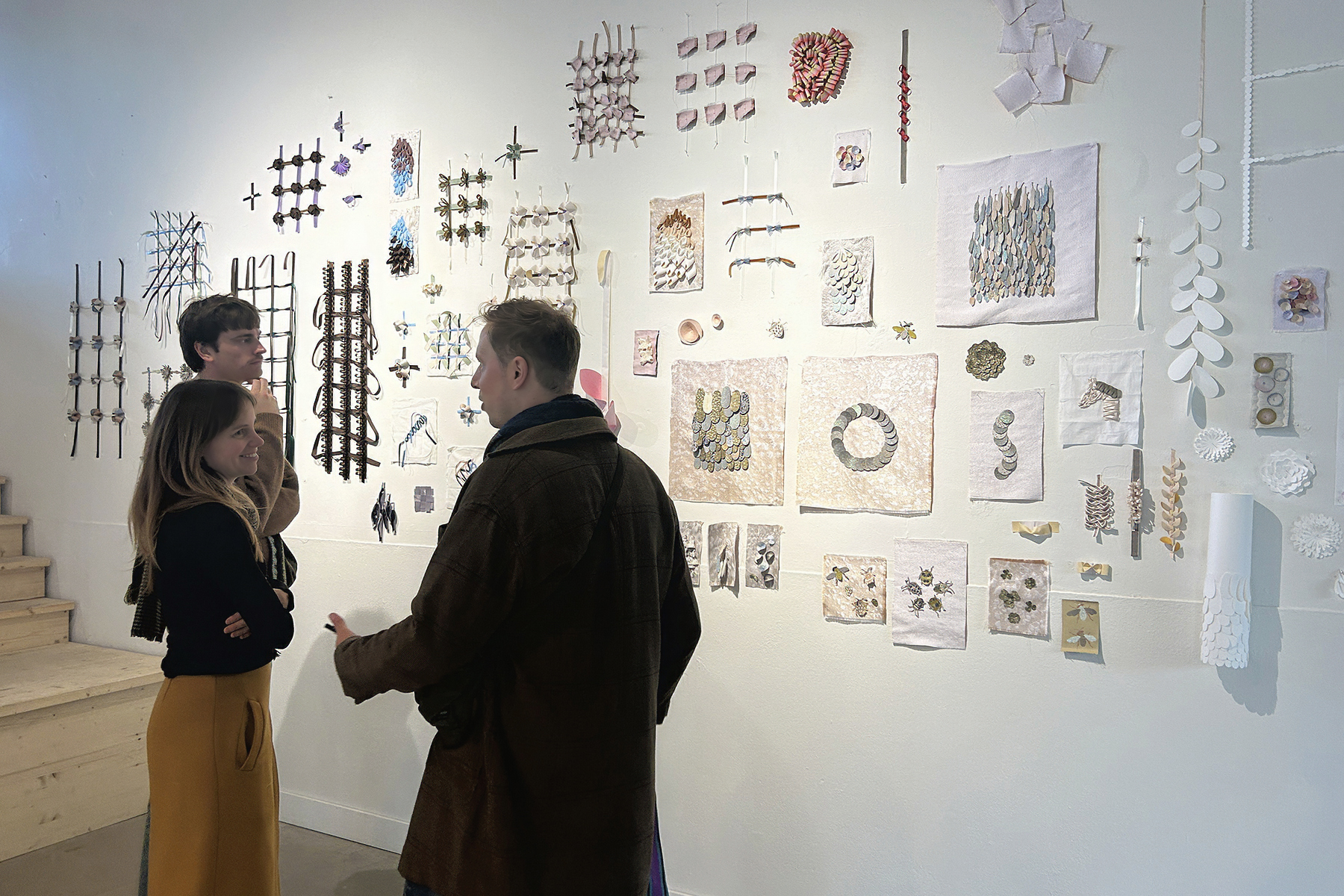
In many design programs, including the Design Academy Eindhoven, the development of creativity takes center stage. The so called “unpolished experiments,” and this is clearly evident at the exhibition. Many of the designs on display have more in common with autonomous art than with design; in fact, it is more akin to “anti-design.”
We should therefore not be surprised if the business community has hardly found its way to design. An entrepreneur recently said: You don’t know what you get with a designer. Most design courses do not offer any quality guarantee.
Most graduates have difficulty finding a suitable job, start their own business or join a collective. Due to the great financial uncertainty, many decide to quit after a few years and look for another job.
The large number of courses in the Netherlands is partly responsible for this. There are now more than 20 design or design-related courses in the Netherlands. Every year, hundreds of new designers are put onto the market without a chance. This is partly the result of the inflow-oriented policy. Design is still a popular field of study, but the level of the courses leaves much to be desired.
There is nothing wrong with prioritizing ‘the raw, unpolished experiment.’ It is certainly a vital part of the design process, especially in the initial phase, when anything is still possible. But that is when the design process truly begins. At this stage, manufacturability and feasibility play a decisive role. This is, par excellence, a teamsport. There is no place here for a designer acting as a soloist.
In many educational programs, too little attention is paid to these aspects. A solid, broad foundation is all too often missing. When I point this out to students, the response I frequently get is: ‘We don’t concern ourselves with that; we focus more on the conceptual.’ However, the word ‘conceptual’ simply means ‘idea’ and an idea lies behind every design, even the design of a clothespin.
It almost seems as though ‘marketing’ has become a dirty word, but if that’s the case, one shouldn’t be surprised when many pilotprojects fail to reach the implementation stage. You could blame the business sector or the government for this, but that is a clear sign of weakness. The same applies to the calls for more financial support from the corporate world and the government: first, make sure you are actually producing the kind of skilled professionals that are in demand.
A drastic reduction in the number of design degree programs is necessary. It is irresponsible to train students who have no future prospects. The pleasure of pursuing an enjoyable course of study is quickly forgotten once faced with the bitterness of being unable to practice one’s profession.
I realize that this appeal will encounter a lot of resistance. That is why I invite the various authorities, such as the CWI (Center for Work and Income), the BNO (the Association of Dutch Designers) and the Ministry of Education, to conduct a thorough investigation into this. Close collaboration with the training courses is necessary.
Lou Beeren
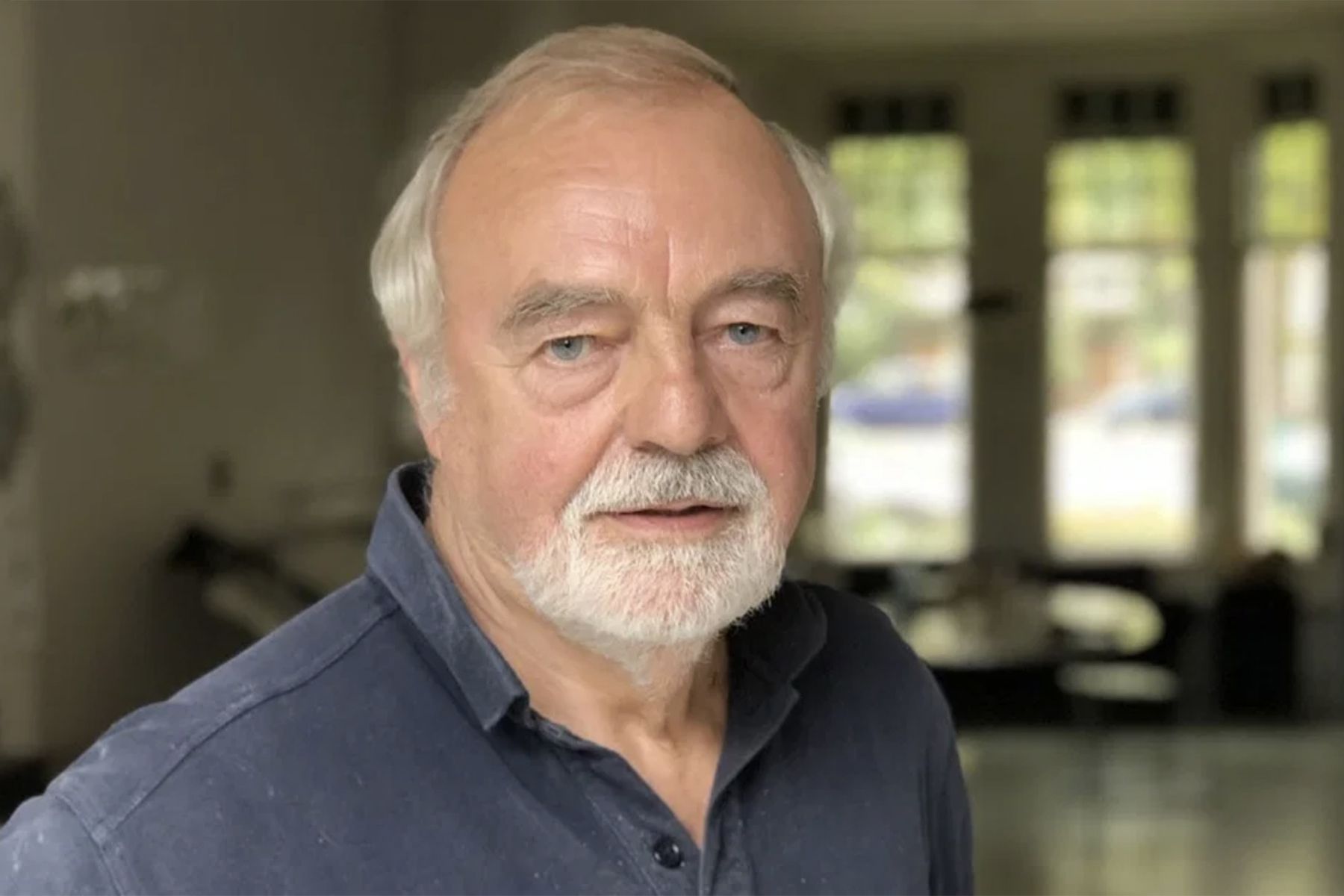
Lou Beeren (1939) is an industrial designer, former Design Manager at Philips, co-founder of PION (Product Industrial Design North), and former senior lecturer at the AIVE (now Design Academy Eindhoven).
This article was previously published in the Eindhovens Dagblad on October 29, 2026
Portrait photo: Sven Jach / RTV Noord