Report by Jack Brandsma
From July 2 through 5, the Bachelor’s Graduation Show at Academie Minerva Groningen was on display. Whereas last year the visual arts and design students exhibited their final projects at the former Niemeijer factory and other locations around the city, this year they opted to hold the show on their own campus. This proved to be quite a challenge, as they first had to wrap up the project reviews from previous years before they could prepare all the workspaces for the exhibition. Minerva’s design department was on display in the Piet Blom building on Gedempte Zuiderdiep.
Blom’s 1984 building is a space where it’s easy to get lost. As you wander through the building, you move from one presentation to the next, and it becomes clear that this is a design program at an art academy. The boundary between design and visual arts has always existed here, but the trend toward this boundary blurring is also evident here. At the most recent Dutch Design Week, for example, an animation project by an artist duo was part of the Minerva design presentation. So it works both ways. Here are a few examples of the diversity of projects and disciplines.
Julius J Joplin – Resonant Fish
Time based design
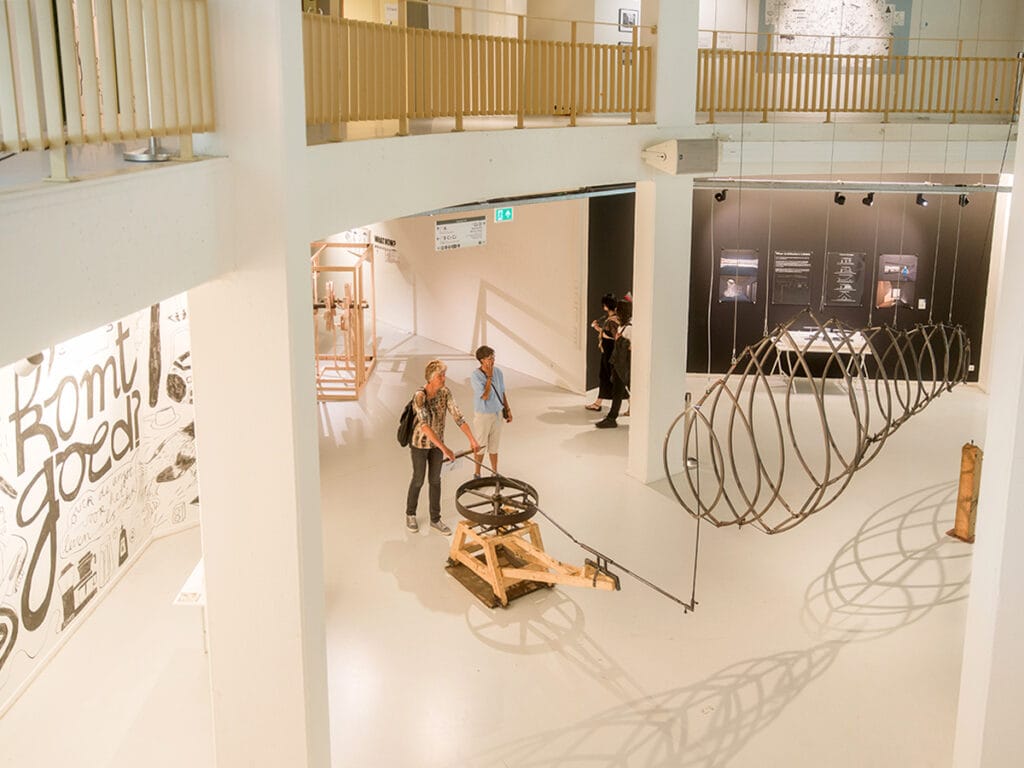
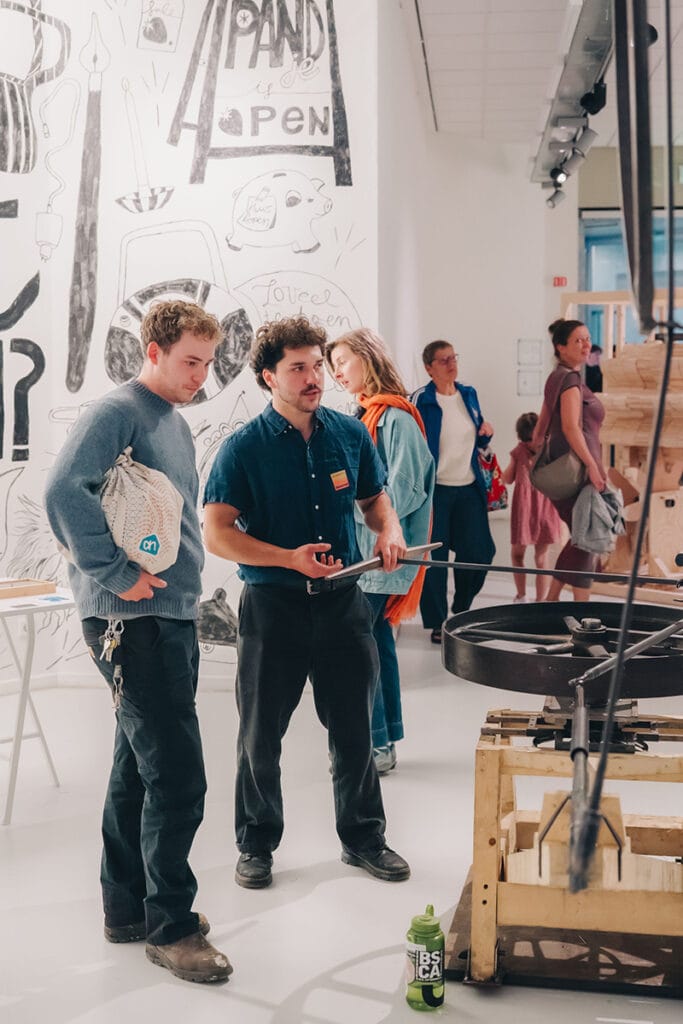
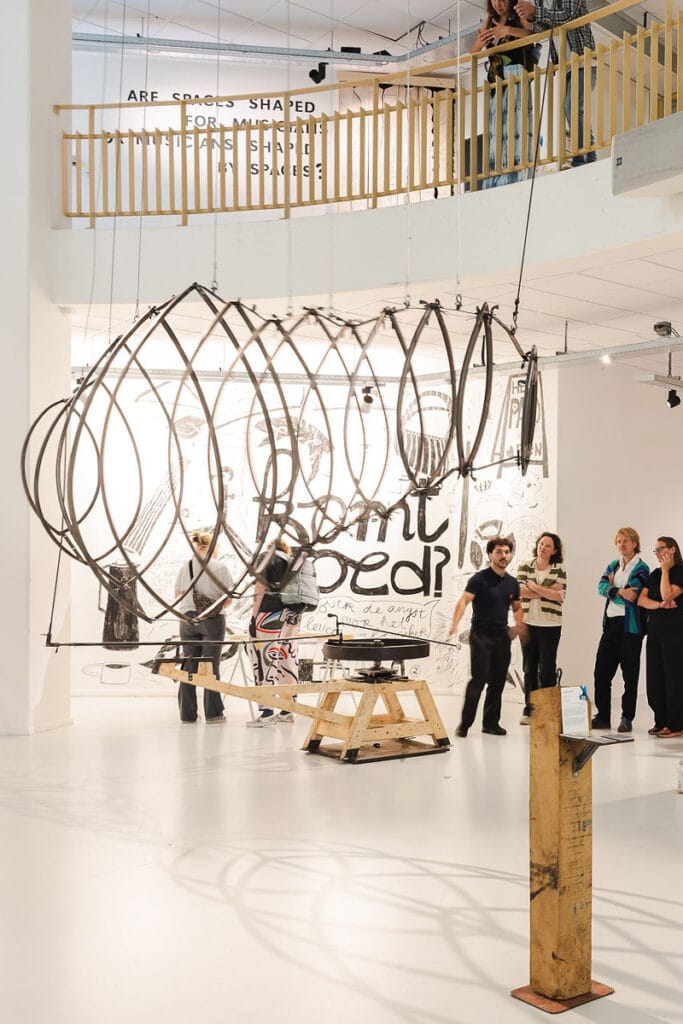
Steel and wood define Julius J Joplin’s practice. For this project, the traditionally rigid nature of steel became both a conceptual and technical challenge, transformed into a material capable of movement and flexibility. Rather than pursuing constant formal innovation, Julius draws inspiration from shapes refined through evolution, erosion and adaptation. His work explores how these timeless forms and an inherently inflexible material can converge to create a dynamic and responsive visual language.
Bente van Spijk – Mien Dorp
Illustration & Animation Design
Bente van Spijk (2003, Groningen) explores the beauty and discomfort of Dutch culture. Through illustrations and woven tapestries, she softens everyday scenes, using subtle estrangement to encourage renewed recognition. For her graduation project, Mien Dorp, she draws on memories of her childhood in Bedum and historical archive photographs. By combining these images into a new landscape, she invites viewers to rediscover the character of rural North Groningen from a fresh perspective.
Winner Academie Minerva price for design
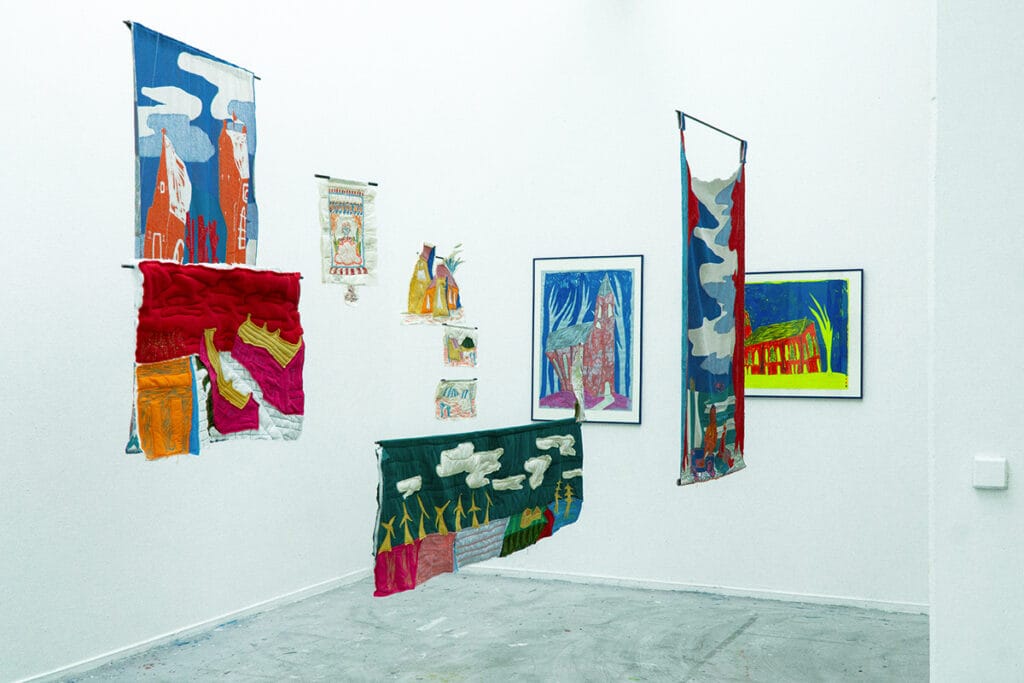
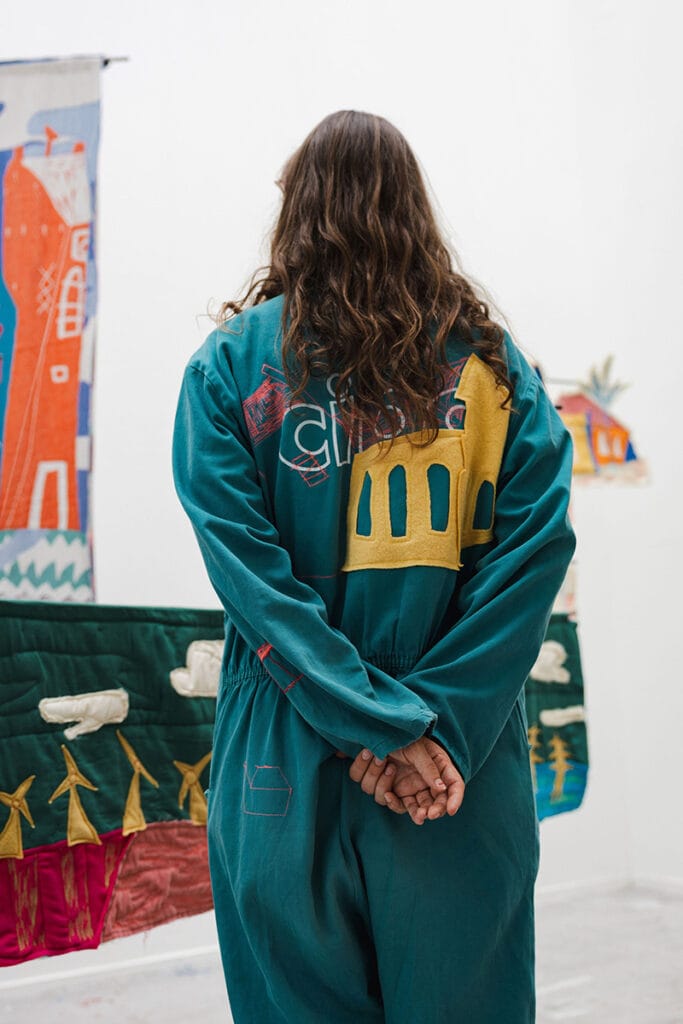
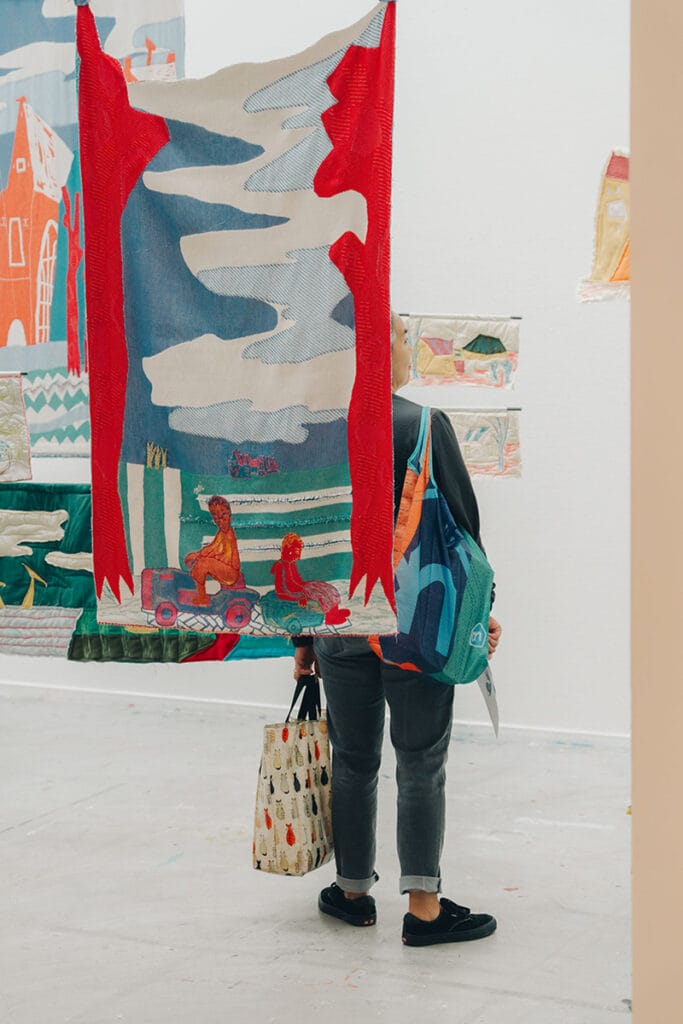
Anca Barbu – Zestre: Roots Unearthed
Graphic & Interaction Design
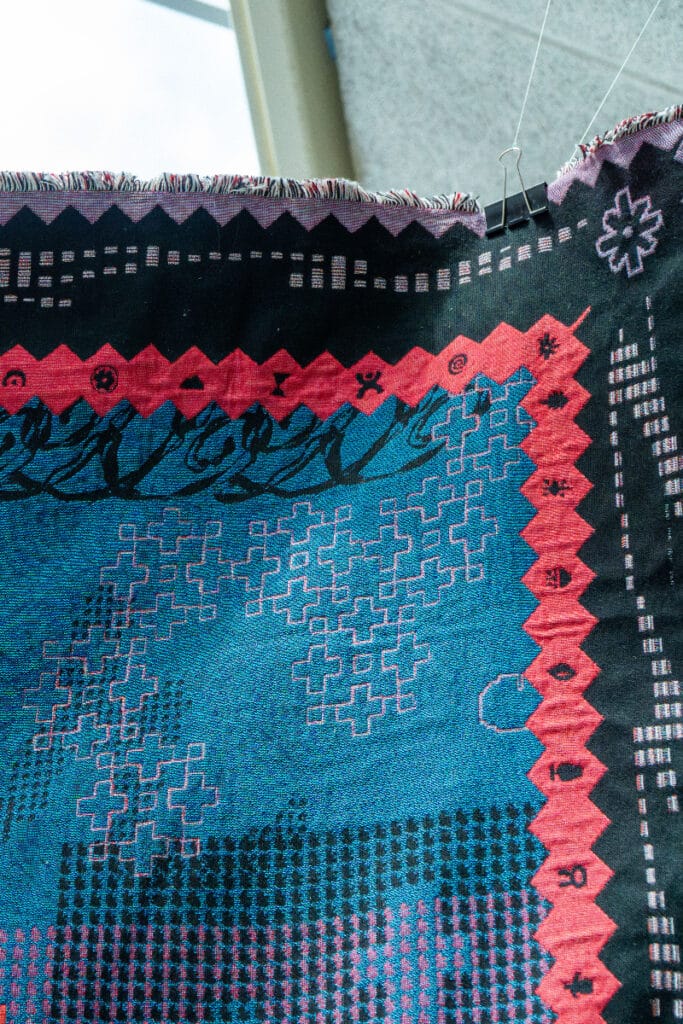
Anca Barbu’s graphic design practice explores the intersection of personal narrative, cultural heritage and visual systems. Her graduation project reclaims her Romanian heritage as a source of pride. Inspired by her grandfather and her thesis Between Structure and Chaos, she created a monumental tapestry accompanied by a publication. Together they form a visual language that merges traditional folk symbols with contemporary design, inviting audiences to uncover the layered beauty and complexity of Romanian culture.
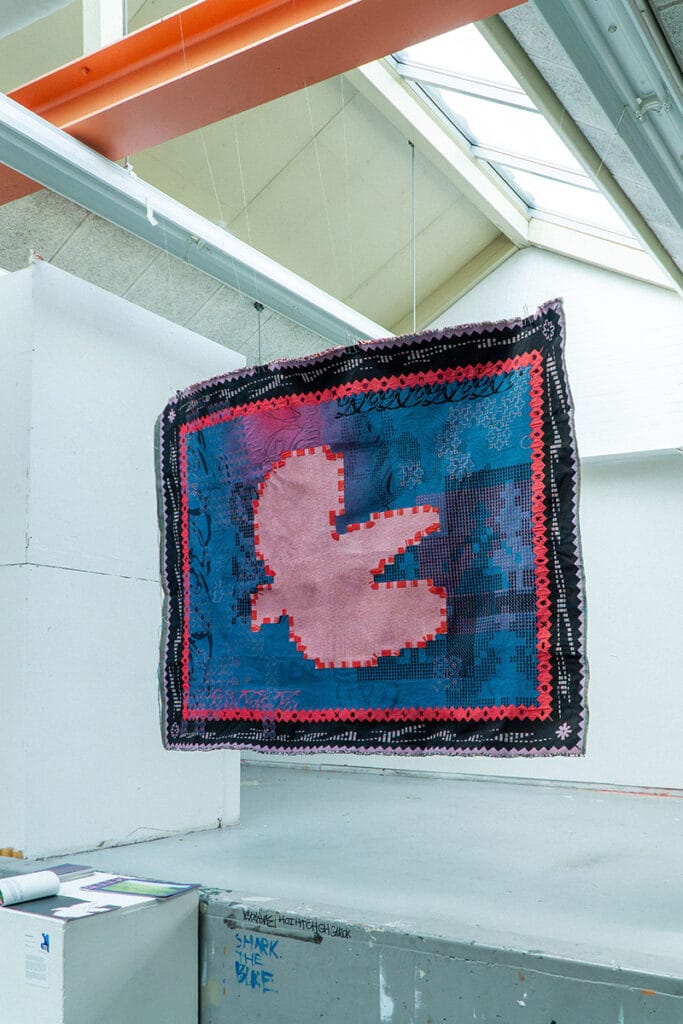
Simon Gordeau – A.I.R. Accumulative Input Reservoir
Product Design
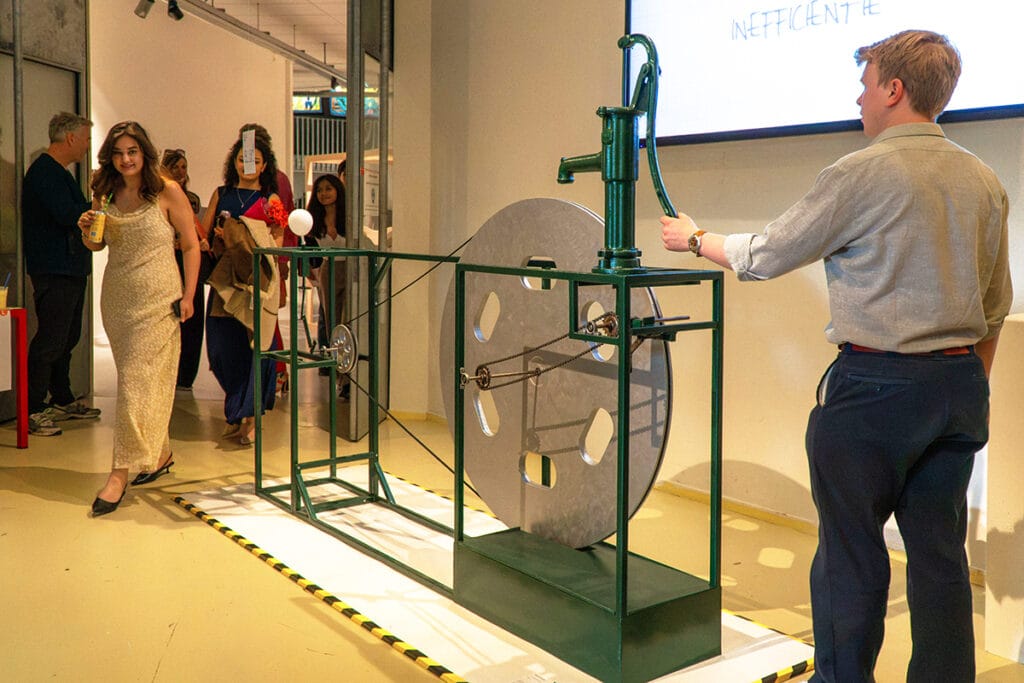
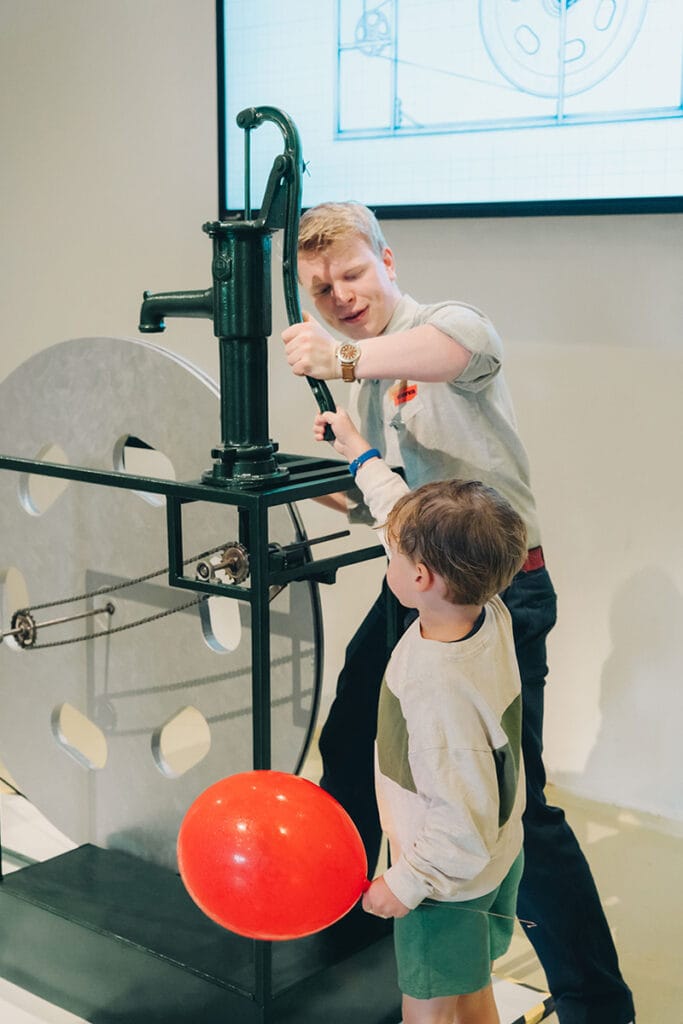
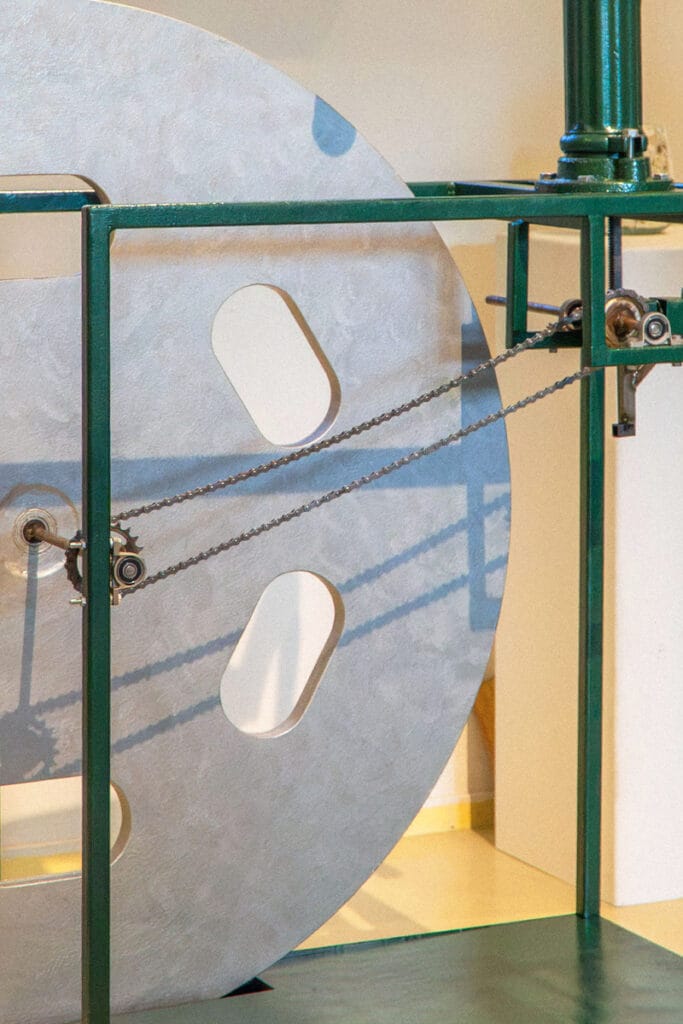
With this installation, Simon Gordeau questions the relentless pursuit of speed, efficiency and productivity. Functioning as a deliberately inefficient, almost Dadaist machine, the work slows every action and reveals the hidden labour behind systems of production. By showing how considerable effort can result in something small and temporary, the installation invites viewers to reconsider the value of slowness, repetition and even apparent waste.
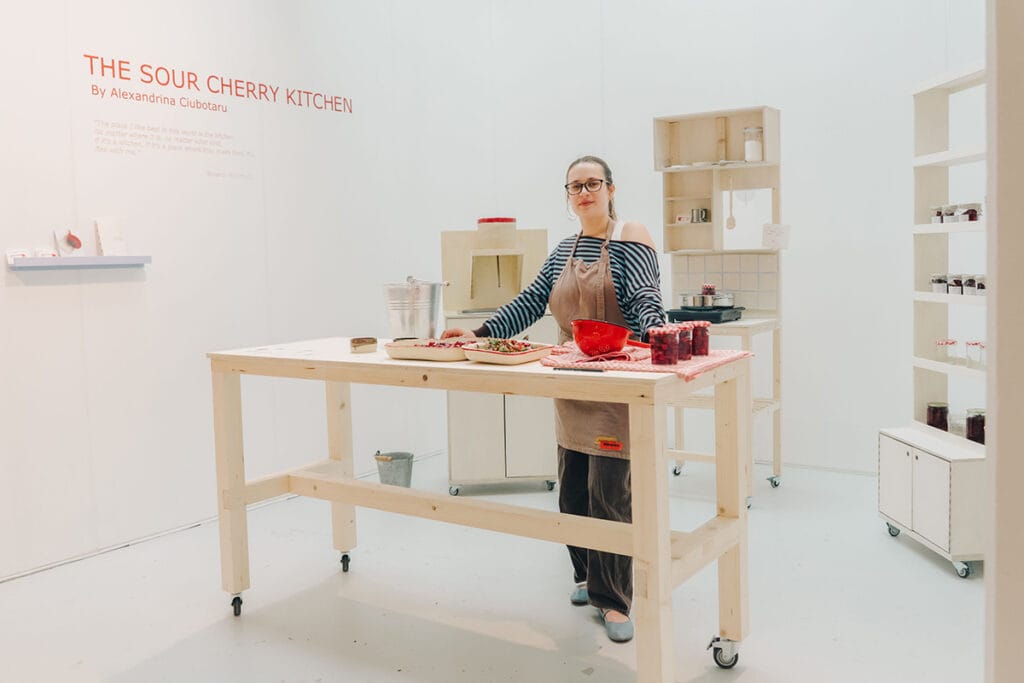
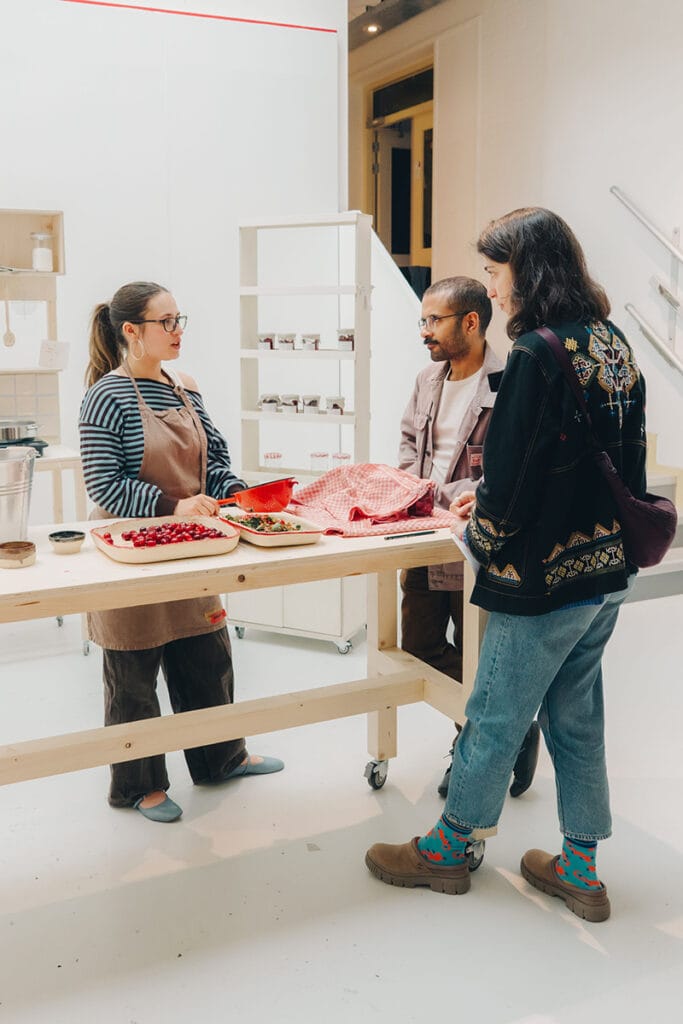
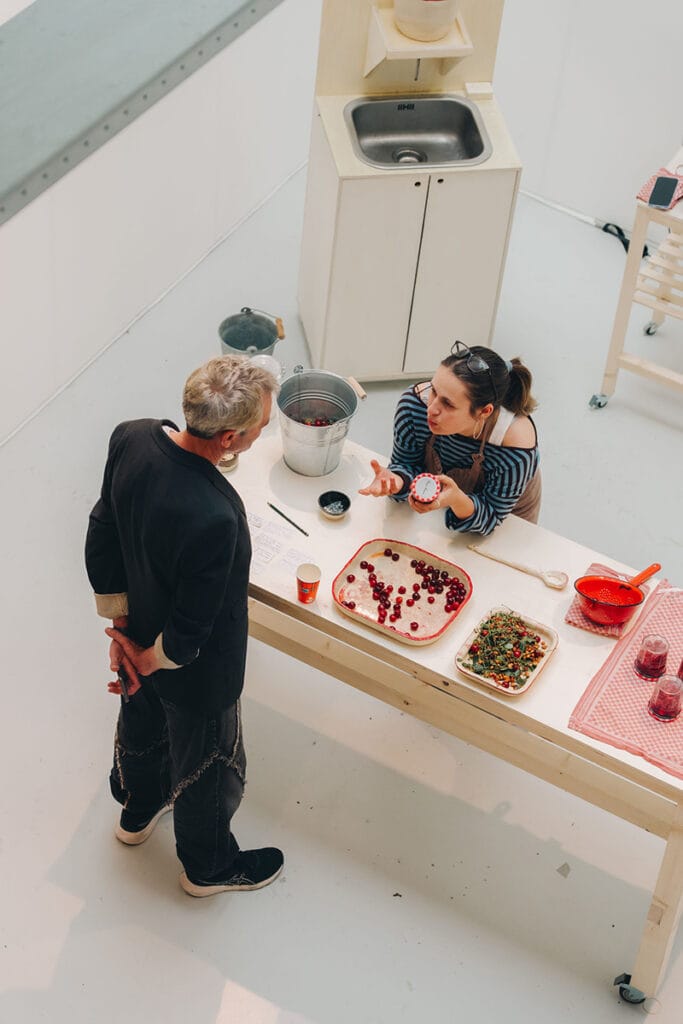
Alexandrina Ciubotaru – The Sour Cherry Kitchen
Alexandrina Ciubotaru is a spatial designer exploring how spaces preserve memory, ritual, and human presence. Her graduation project, The Sour Cherry Kitchen, transforms the Moldovan tradition of preserving sour cherries into an interactive installation. By creating a real-scale kitchen with handmade ceramic objects, she invited visitors to share stories and memories connected to their own kitchens. The installation continues to evolve through use, conversation, and the people who gather within it.
Thies de Groot – Aangenaam Verschillend
Graphic & Interaction Design
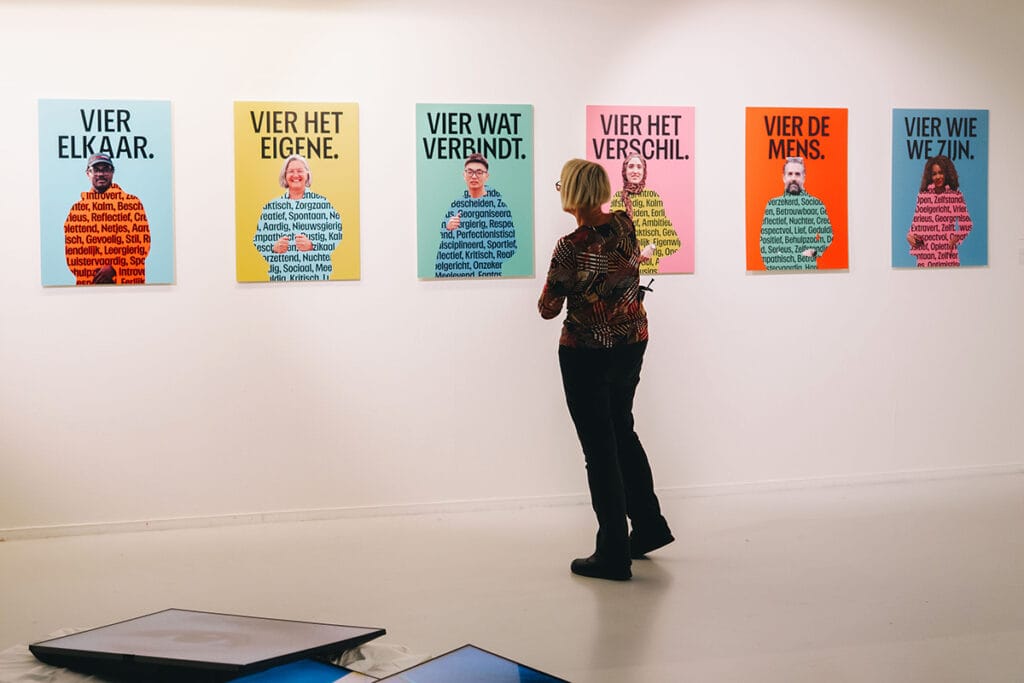
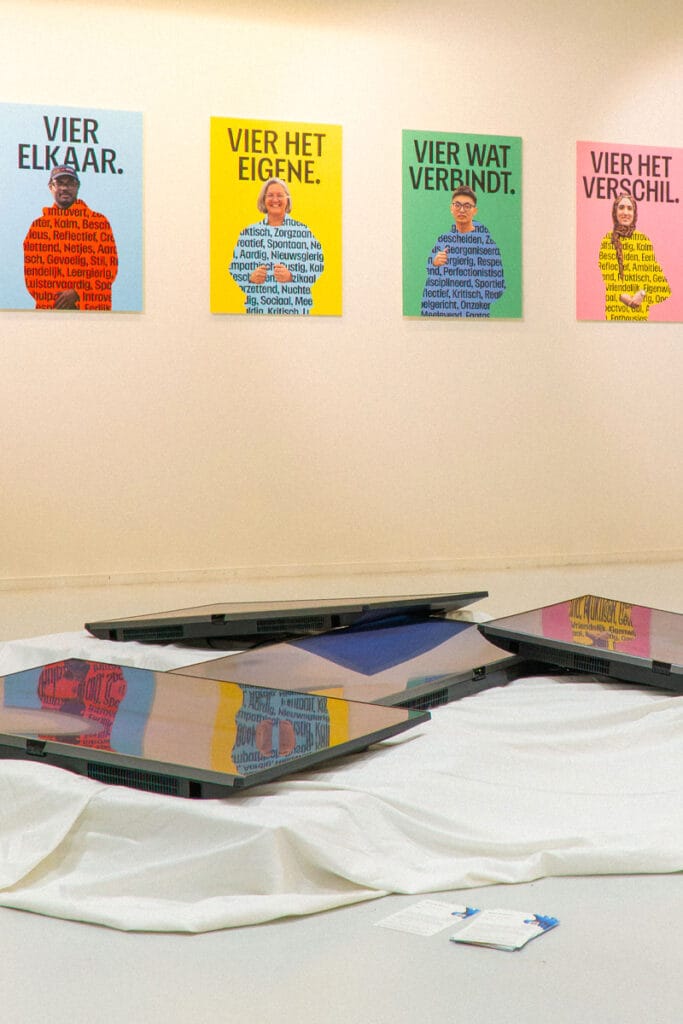
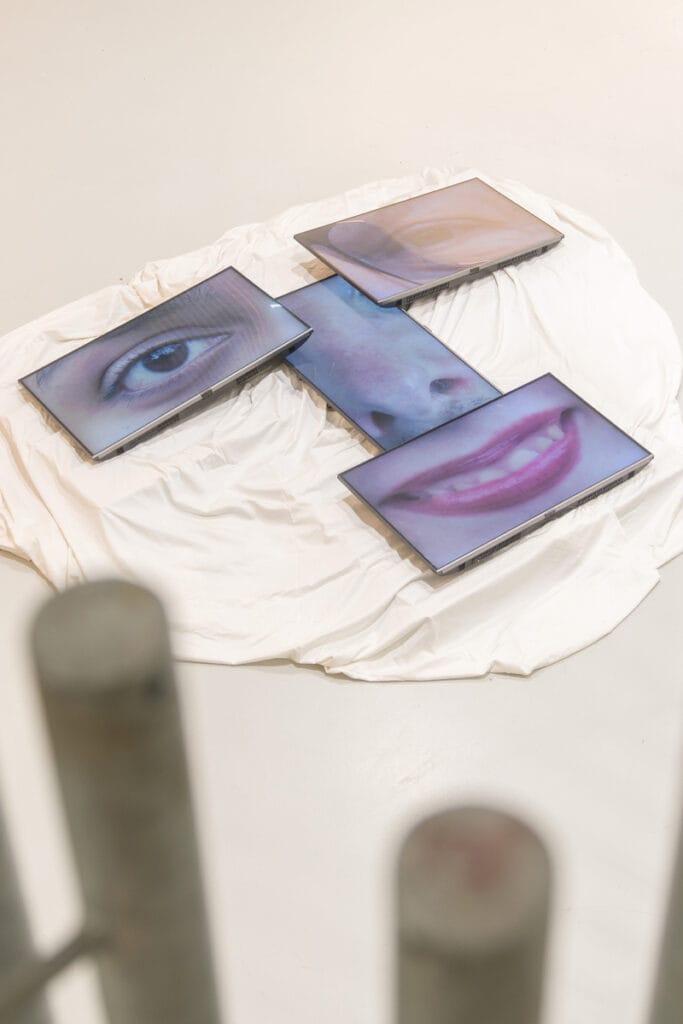
Thies de Groot uses graphic design to make stories visible and explore social themes. Inspired by his research into difference and polarisation, he developed a project that celebrates human diversity. Through portraits of people from the streets of Groningen, an animated installation and a series of posters, he brings similarities and differences together. In doing so, he shows how diversity can become a source of connection rather than division.
Sally Remy-Malik – Borrowing Atoms
Design – Off Road
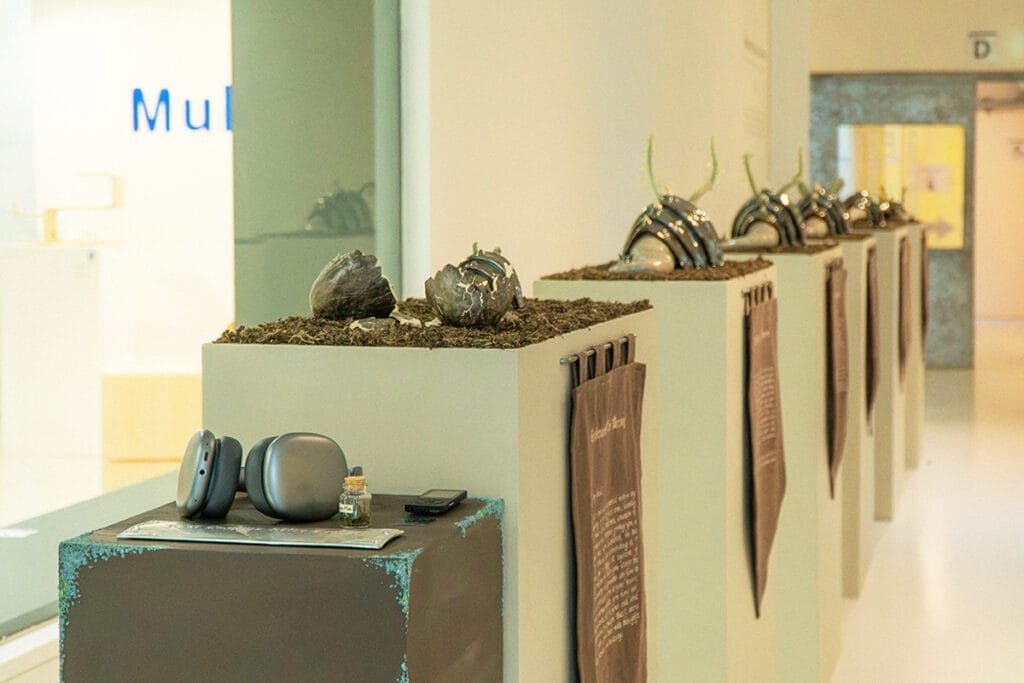
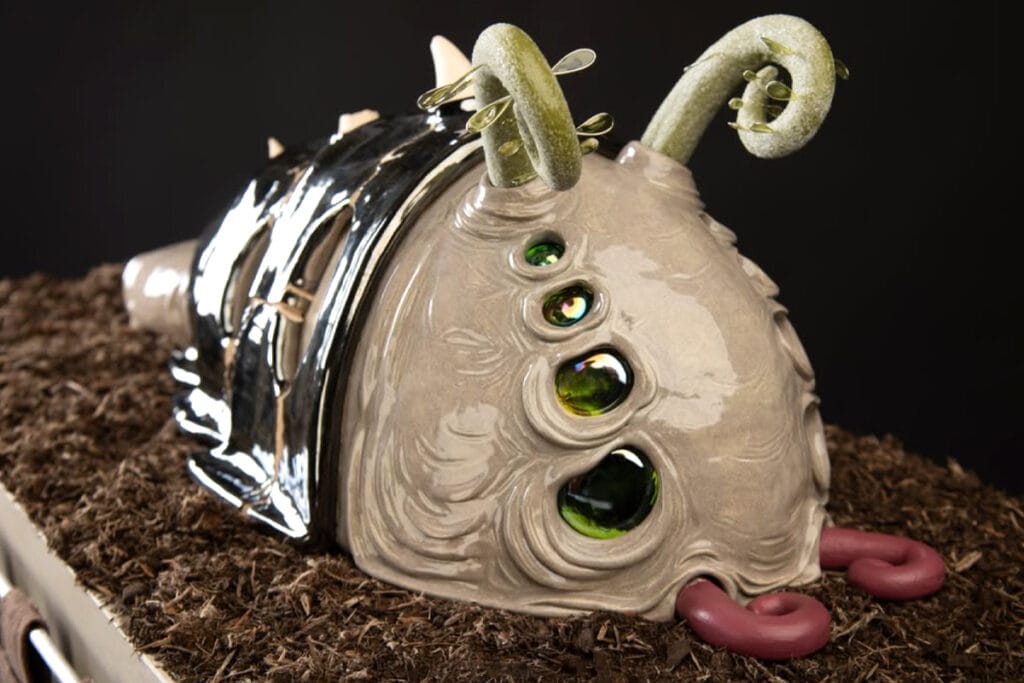
With a background in product and time-based design, Sally Remy Malik uses storytelling and mixed media to explore the intersection of biology, philosophy and spirituality. Her graduation project, Borrowing Atoms, combines ceramics, text and audio in an installation that reflects on decay, mortality and the cycle of matter. Inspired by Buddhist contemplations, the work invites viewers to consider the impermanence of the individual alongside the continuous transformation of atoms.
Marek Brňák – When Architecture Listens
Spatial Design
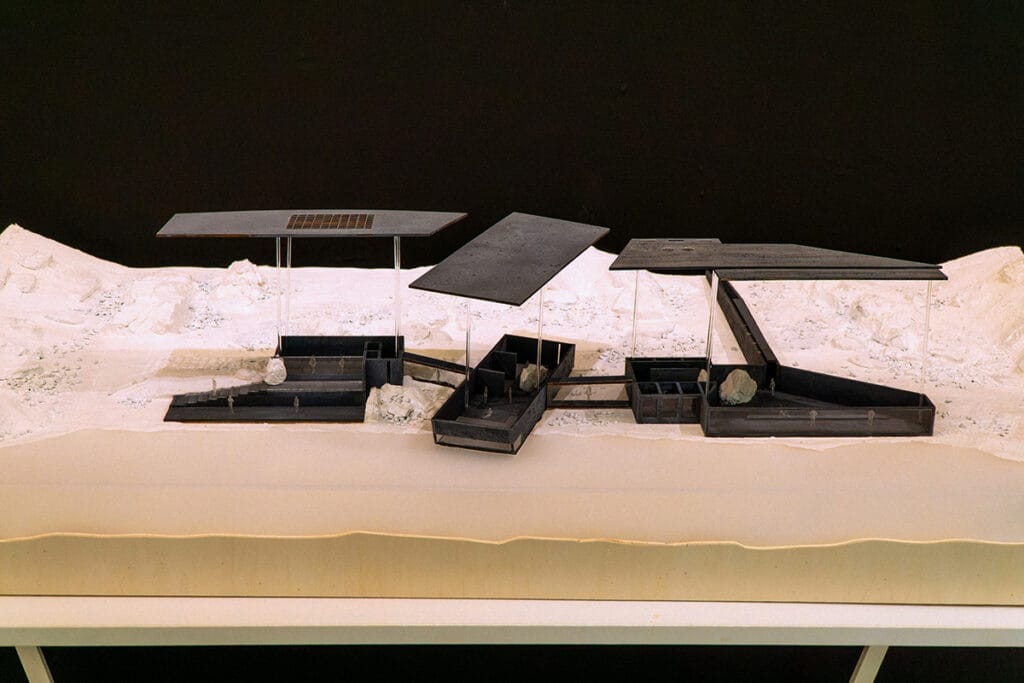
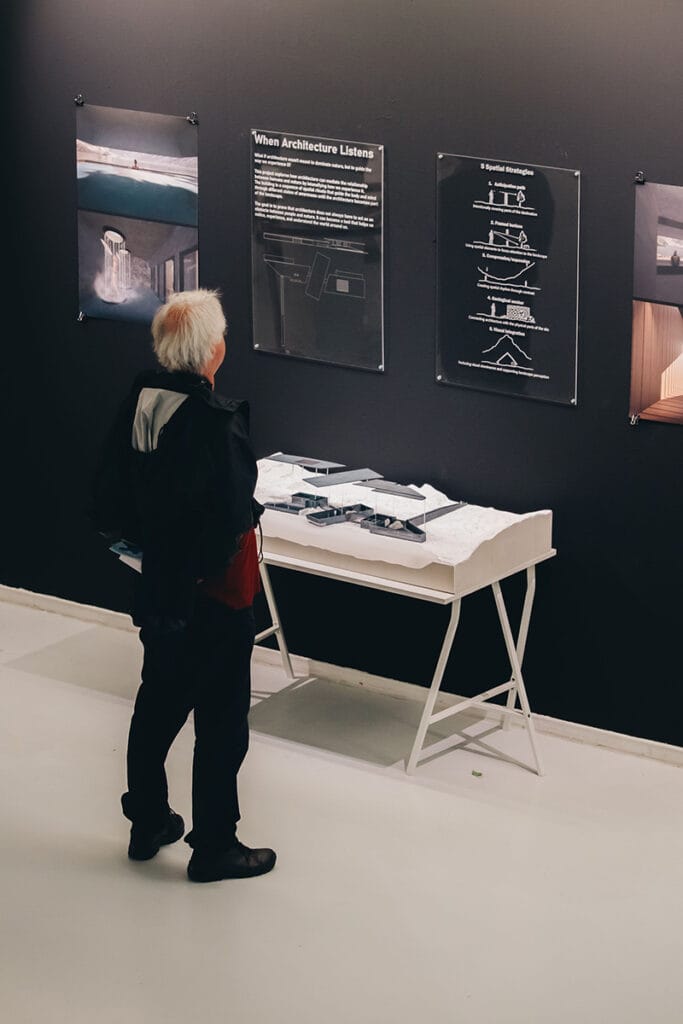
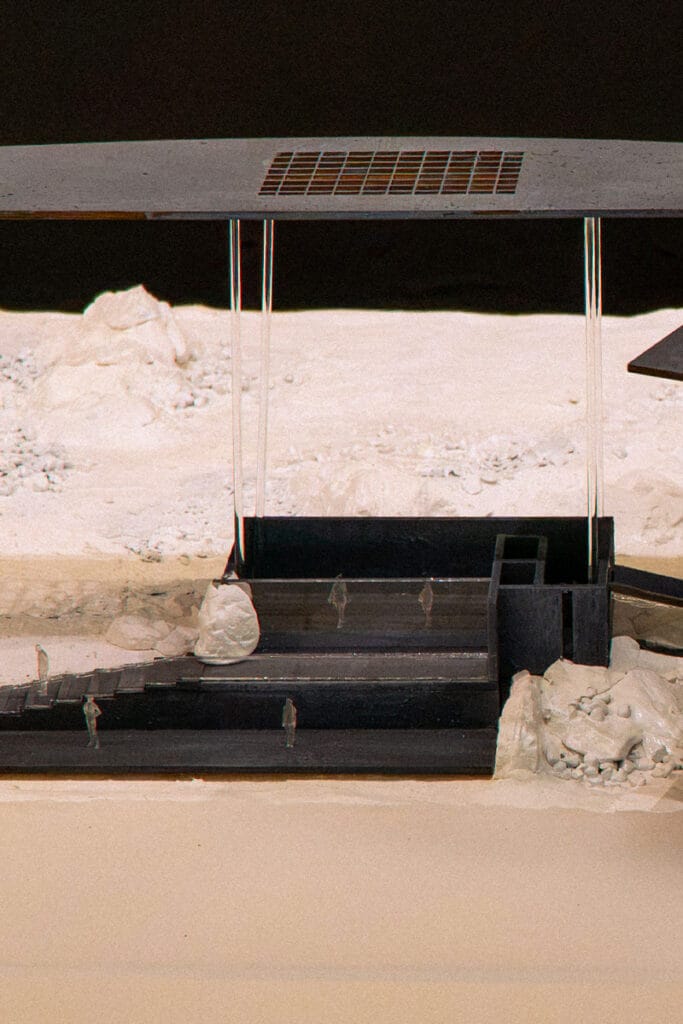
Marek Brňák explores how architecture can deepen the relationship between people and nature. Set beside a glacial lake in the High Tatras, his graduation project unfolds as a sequence of spatial experiences that heighten awareness of the surrounding landscape. Emerging from the terrain and responding to its topography, the architecture intensifies the experience of the lake, mountains and climate, demonstrating how architecture can foster a deeper understanding of the natural world rather than separate us from it.
Gyanu Lewe – Synchronicity
Design – Off Road
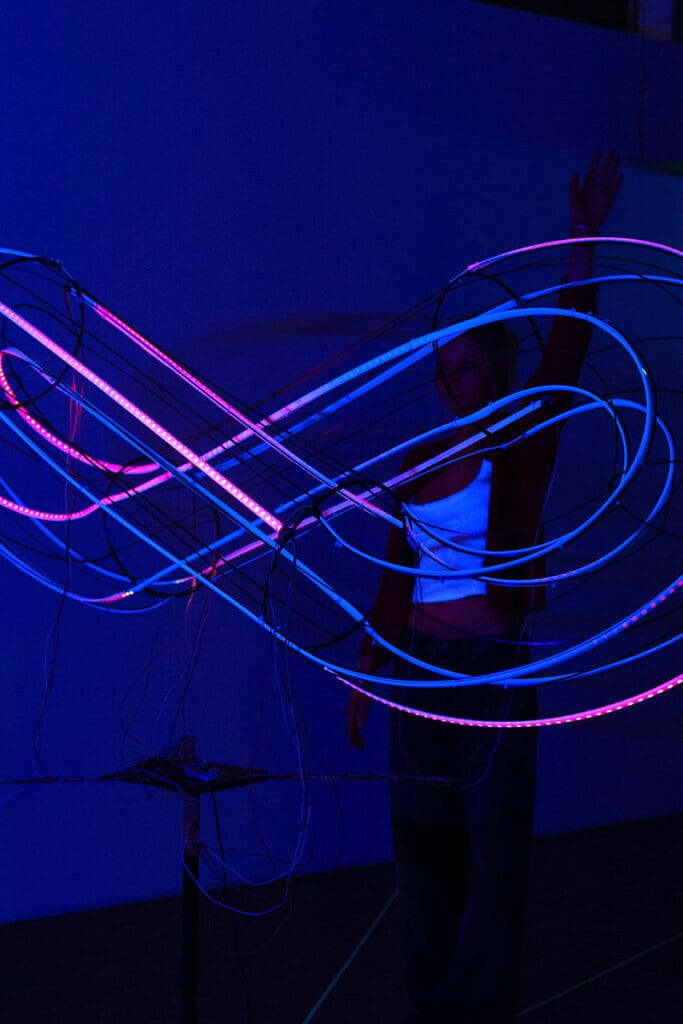
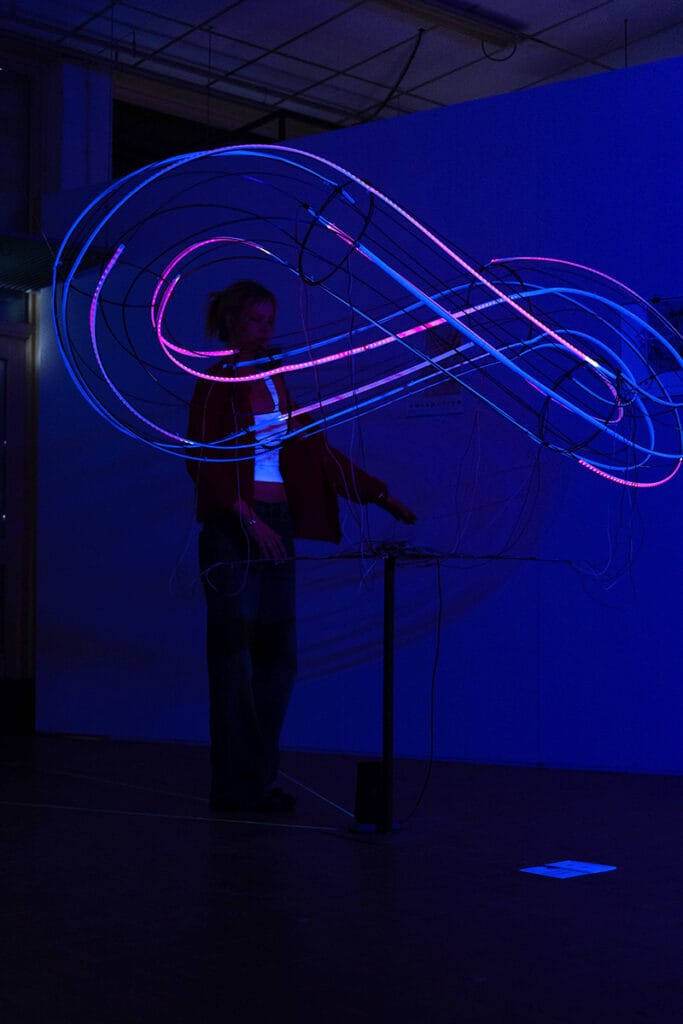
Positioned between conceptual design and product development, Synchronicity explores how biometric processes can be made visible. Constructed from 30 metres of handcrafted steel, the interactive installation captures the proximity and heart rates of up to two visitors, translating this data into a dynamic composition of light. By revealing the invisible rhythms shared between people, the work of Gyanu Lewe invites moments of connection, reflection and mutual awareness.
Miruna Matei – Shaped by Sound; adjustable acoustic wall
Spatial Design
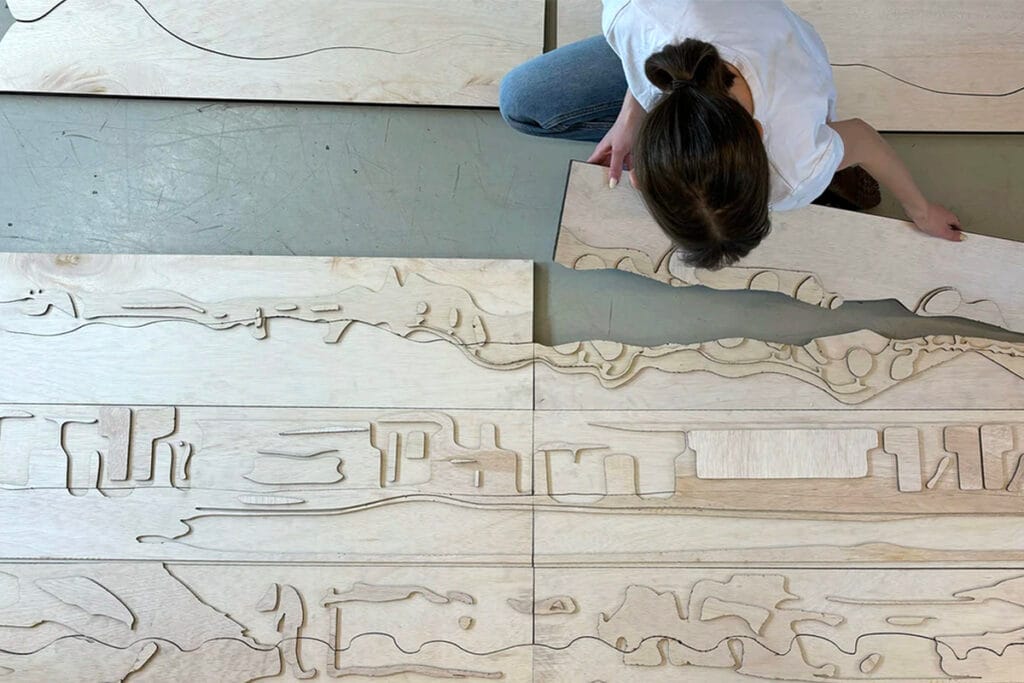
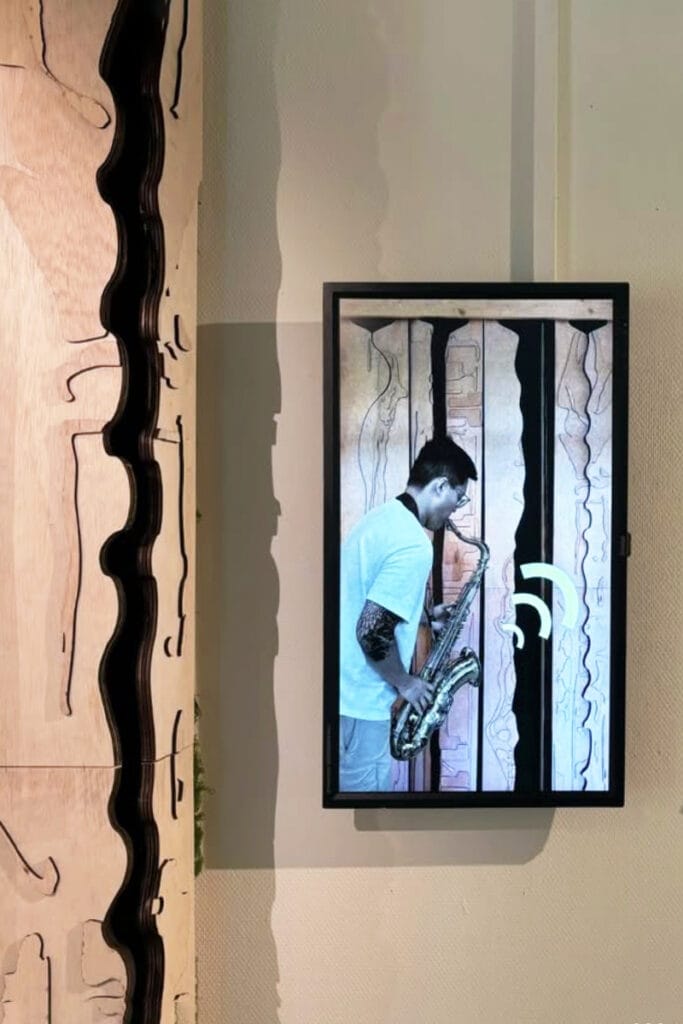
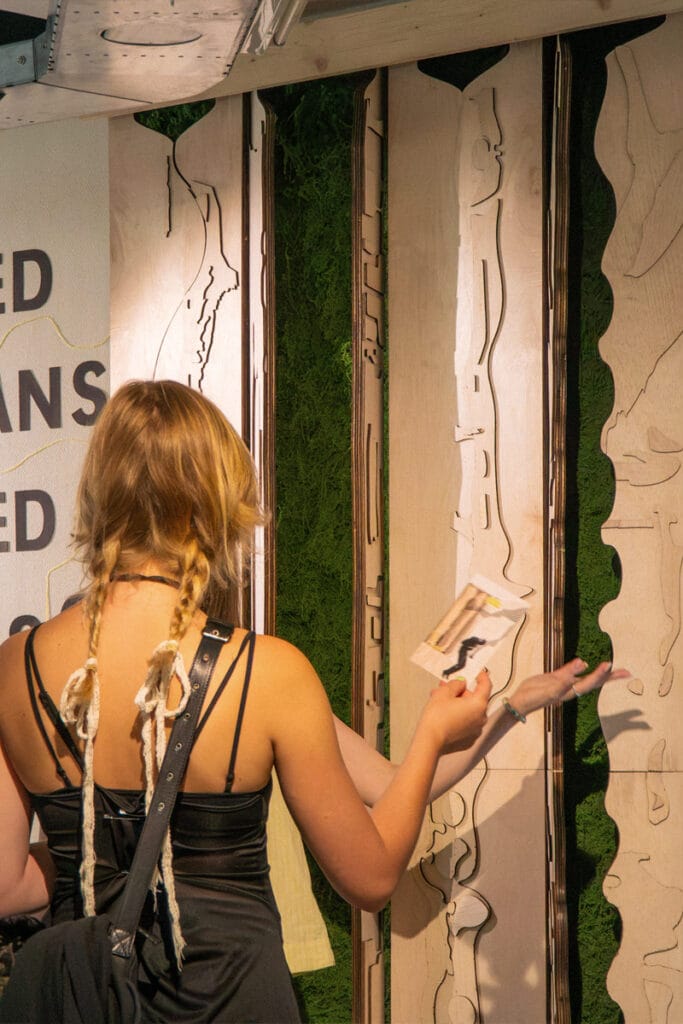
Drawing on her background as both a musician and designer, Miruna Matei explores how spaces shape the musical experience. Based on research into musicians’ routines and needs, she developed an adjustable acoustic wall that allows users to tailor the acoustics of a space. Functioning as both a practical design and an artistic installation, the work transforms music, architecture and instruments into a spatial composition that supports creativity and well-being.
Winner Academie Minerva price for research in art/design
Carlota Joia – Neptusse, Sem Kigila
Design – Off Road
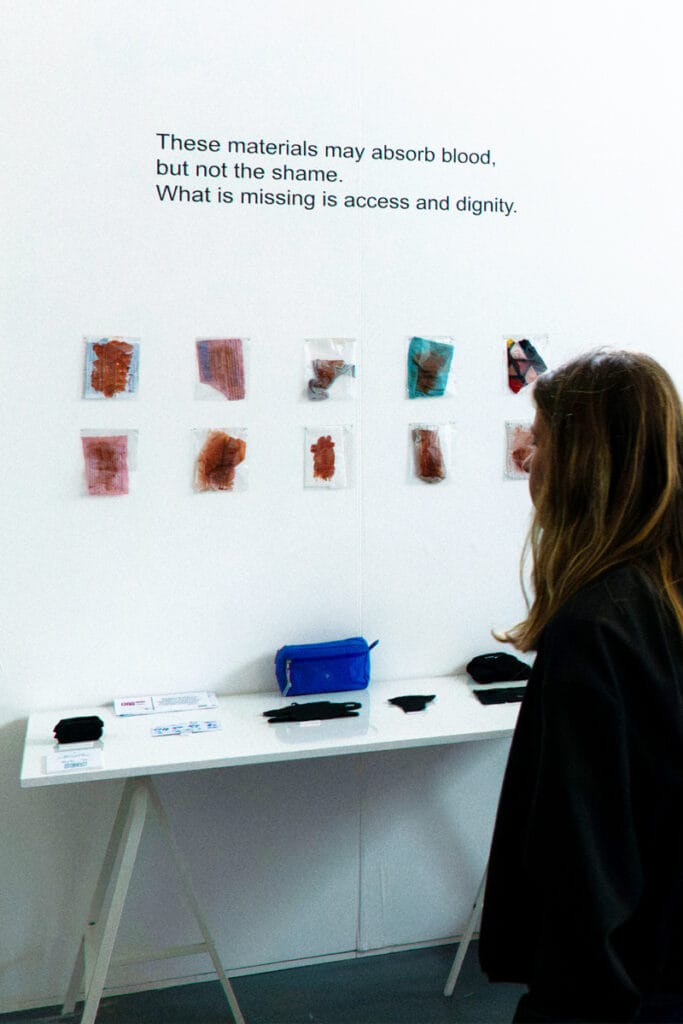
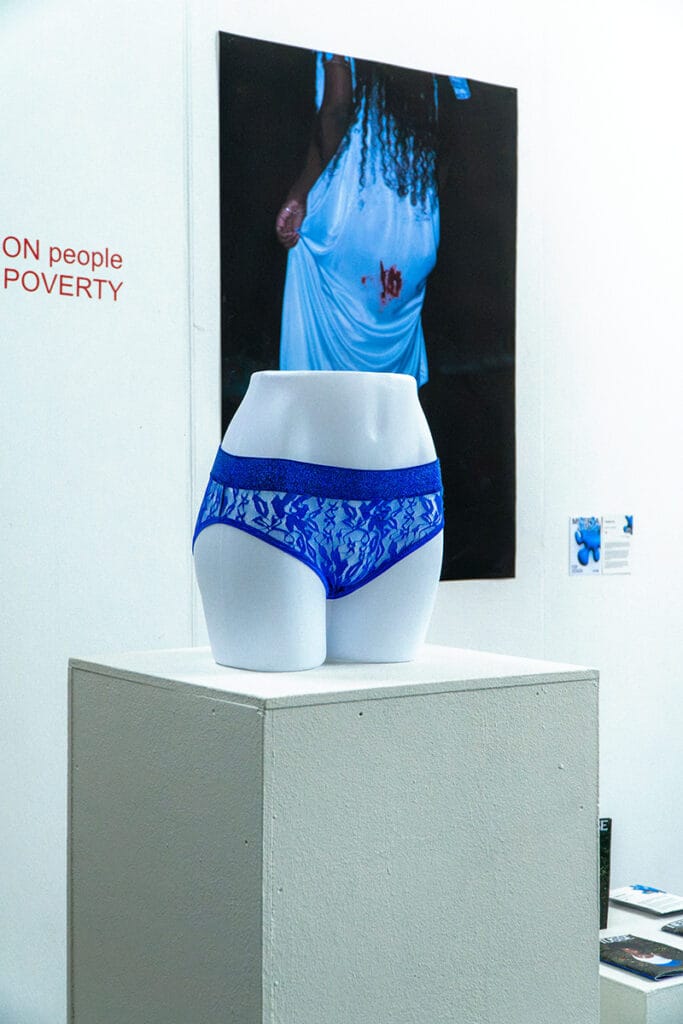
Drawing on her Spanish and Angolan heritage, Carlota Joia explores how design can foster care, dignity and social impact. Her graduation project, Neptusse, Sem Kigila, addresses the often-overlooked issue of menstrual poverty. Through the design of menstrual underwear, she demonstrates how design can support accessibility, protection and self-worth. The project advocates for menstrual wellbeing as a fundamental right, showing that beauty is inseparable from dignity.
Photography: Djordi Komrij, Julia Odenkirchen, Daniek Snijder