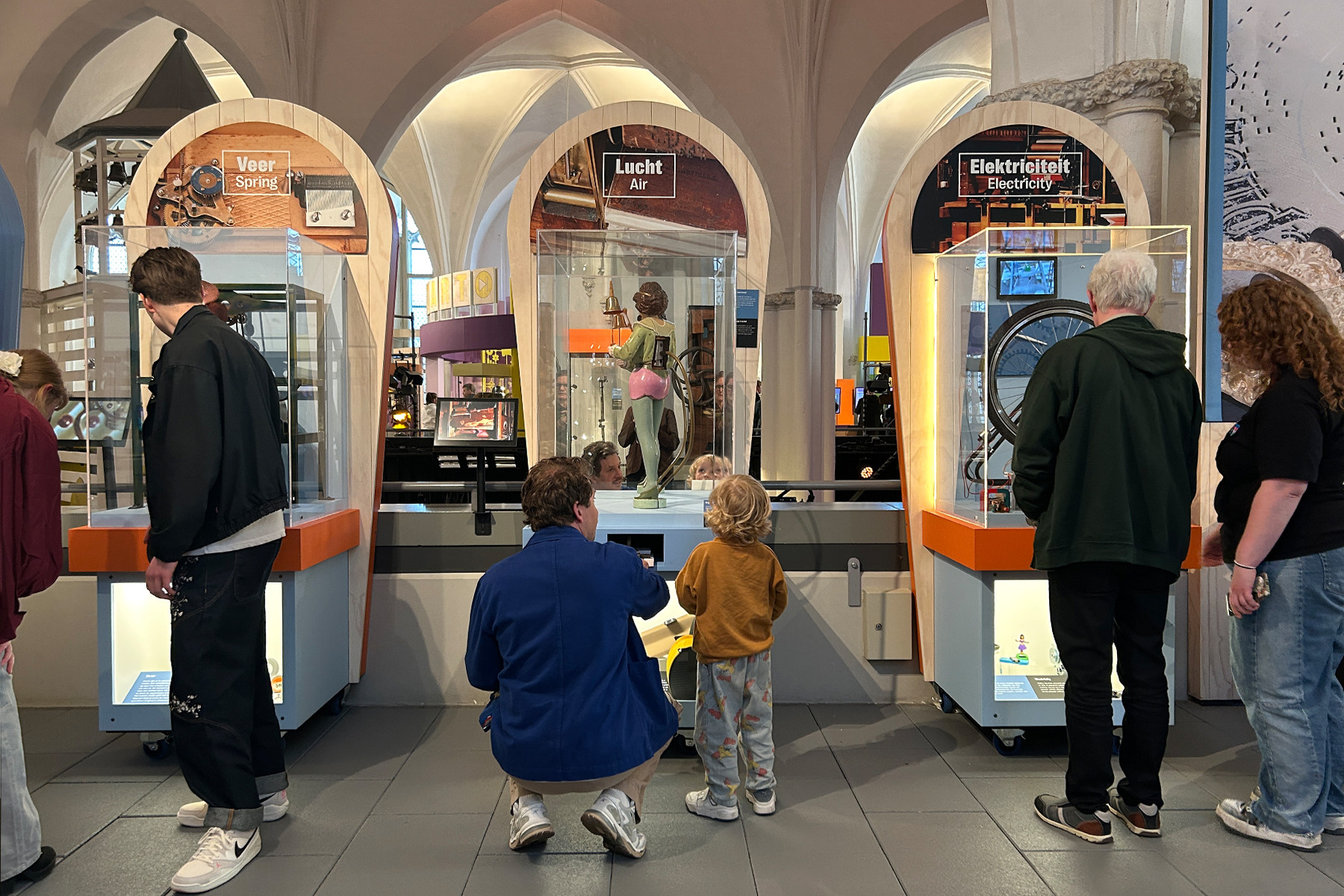
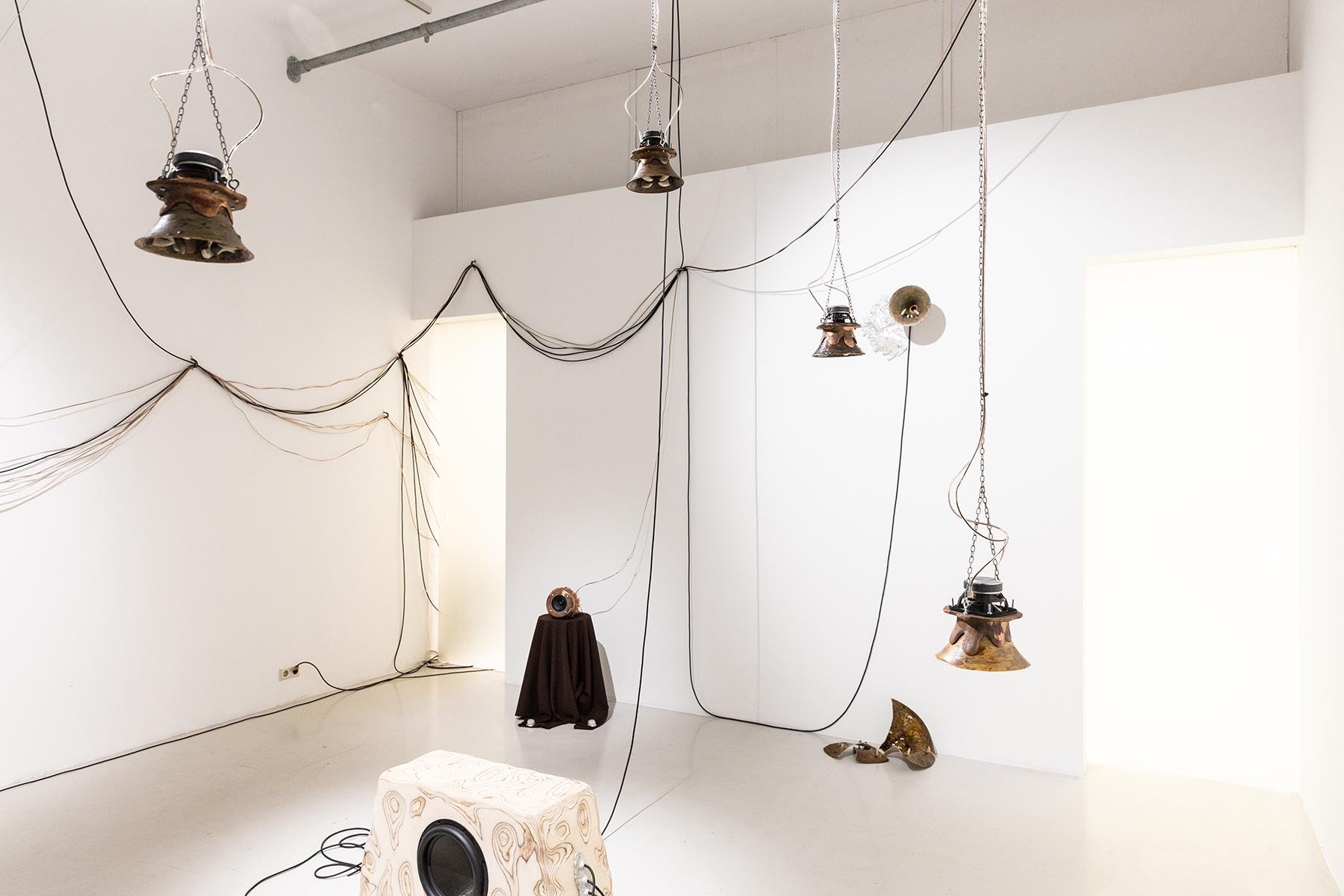
The M Moser Amsterdam living lab focuses on sustainability, illustrating how technology can enhance operational efficiency and support ambitious climate goals. It continually adapts to evolving company needs, offering a responsive solution to modern building management.
The studio is actively pursuing WELL Building Standard – Platinum accreditation and ISO 14064, one of the most ambitious net zero certifications available. The firm minimised carbon consumption during design and construction, recording all sources of emissions to offset the balance on completion. The goal is to maintain a net zero operational status.
The building search prioritised things that cannot be changed, like location, natural light, openness and character, resulting in the selection of a historic canal building. Originally a concert hall repurposed in 1901, its musical heritage remains evident. The company’s concept of ‘a guide to the invisible’, reinforces themes of musicality, sustainability and technology.
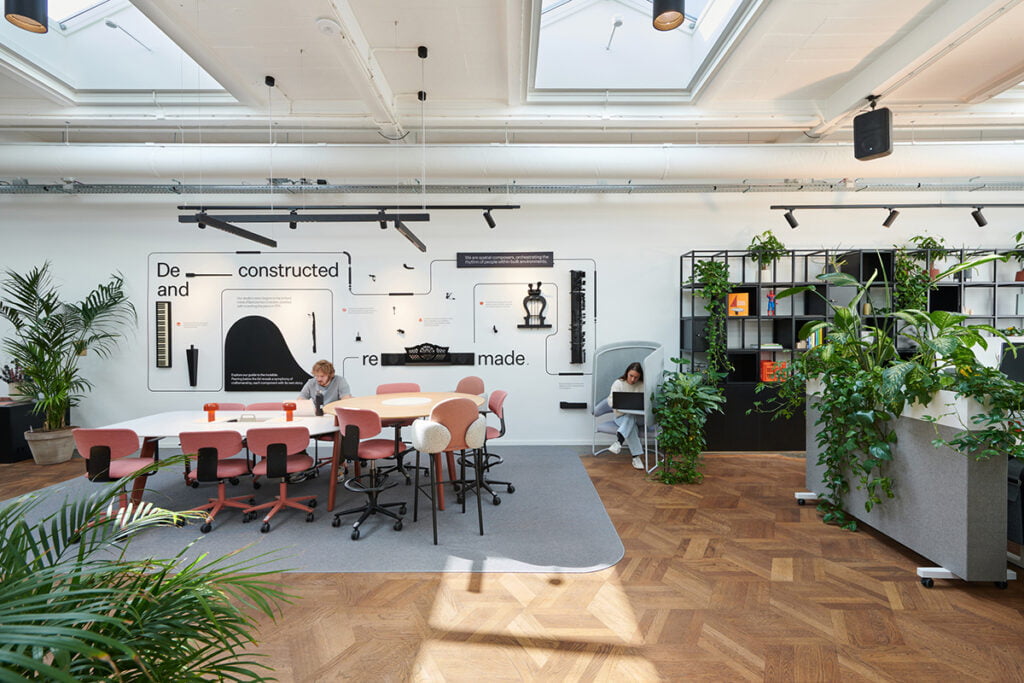


The brand experience team added bespoke art, objects, signage and installations. An interactive site with QR codes allows guests to learn about the living lab. In the centre of the studio sits a deconstructed piano installation made with parts donated by a local piano workshop.
To maintain the former concert hall’s charm, M Moser minimised construction and repurposed materials. Movable installations, no dry partitions and adjustable lighting. The modular sample table, repurposed from the previous tenant’s kitchen island, was upgraded with reclaimed timber.
Sensors analyse space performance, energy usage and carbon emissions, with data integrated into a cloud-based digital twin. A real-time dashboard displays key metrics like energy usage, air quality, occupancy and noise. This data helps design, strategy and engineering teams reduce energy consumption, enhance control over the environment and adapt the space efficiently.


Photography: Stijn Poelstra, Alex Kendrick