
Report by Viola van Alphen
NOW SHOW took place from July 2 through 5: the platform for the graduation shows of St. Joost School of Art & Design, Communication & Multimedia Design (CMD Breda), and the Masters of Fine Art & Design (Den Bosch).
During the exhibitions, a number of themes stood out that also recurred in the other graduation shows: connections between people, searching for roots, and stories from the culture of the past (such as Javanese tales), God, students’ feelings of uncertainty (feeling like they don’t quite fit in), and, as always, a few stories about gender, sexuality, and AI.
What also stood out was that, once again this year, Breda and Amsterdam took the lead in terms of smokers—10 or more of them—blocking the entrance. Smoking is fine, but please be mindful of where you stand: not on walkways or in places where you’re bothering others. Access should be for everyone. For example, both academies have special facilities for people in wheelchairs, but people with lung conditions don’t seem welcome (since they get really sick on the spot from all kinds of smoke—I can certainly relate to that these days). “That’s just the culture here,” a student told me. Because of this smoking behavior, I’m not even sure if I’ll be able to go to Arnhem tomorrow.
This egocentrism is reflected in a number of artworks: even today, most of the artworks in Breda focus on nature and personal struggles. Every year, Breda seems to be a little detached from the rest of the world. Artists I spoke with said they chose this academy specifically because of its beautiful location surrounded by nature, but they also mentioned that there’s a chance this location might disappear: it’s a national historic landmark, and the overhead (heating) costs are high.
I’ve been scouting talent for various festivals, art spaces, and biennials at all the Dutch art academies for 20 years. For the past 10 years, I’ve been doing this primarily for the Manifestations-festival during Dutch Design Week. Fortunately, this year there were once again a number of artworks that stood out to me or were special in some other way.
Danny Kariman – RESIDU
St. Joost Breda, Photography, Film & the Digital
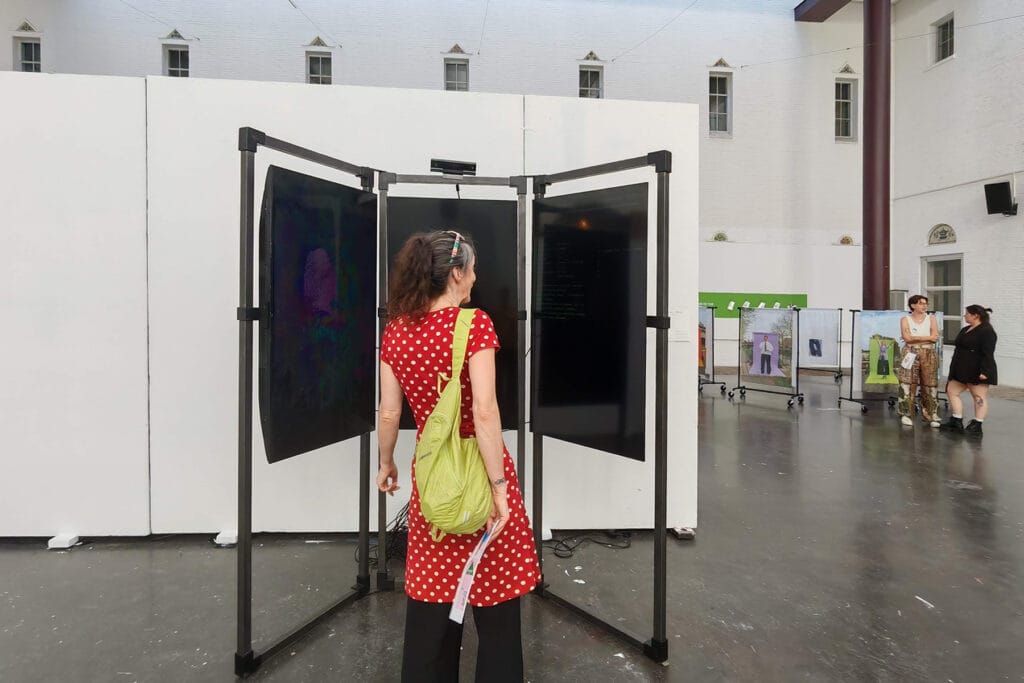
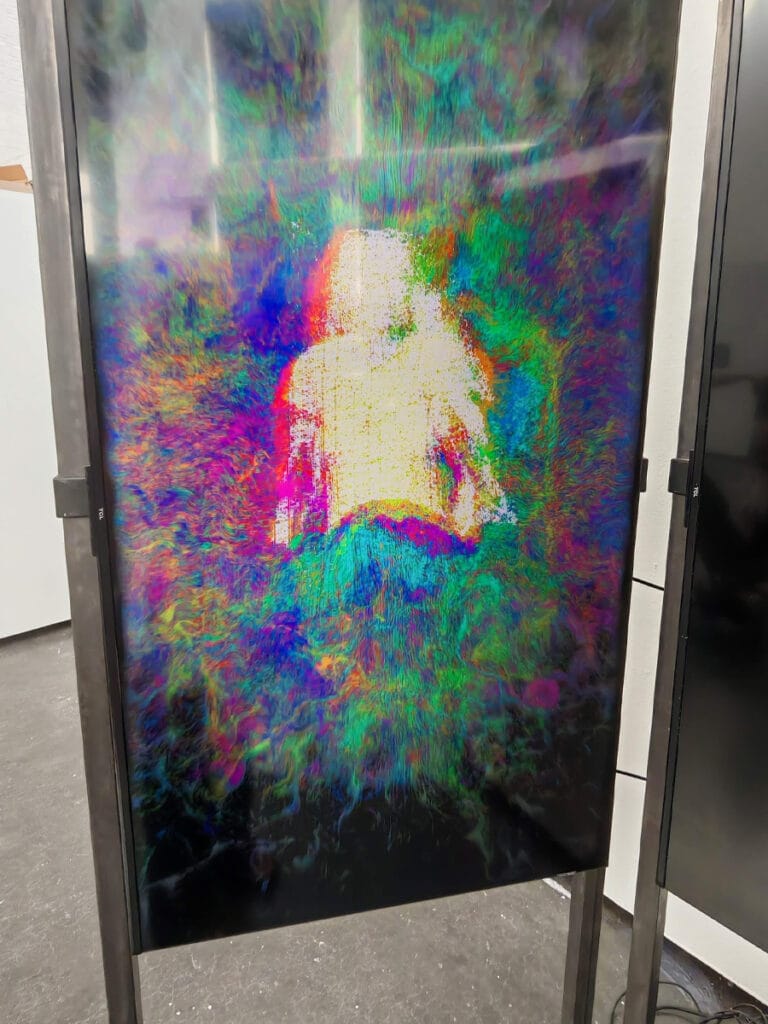
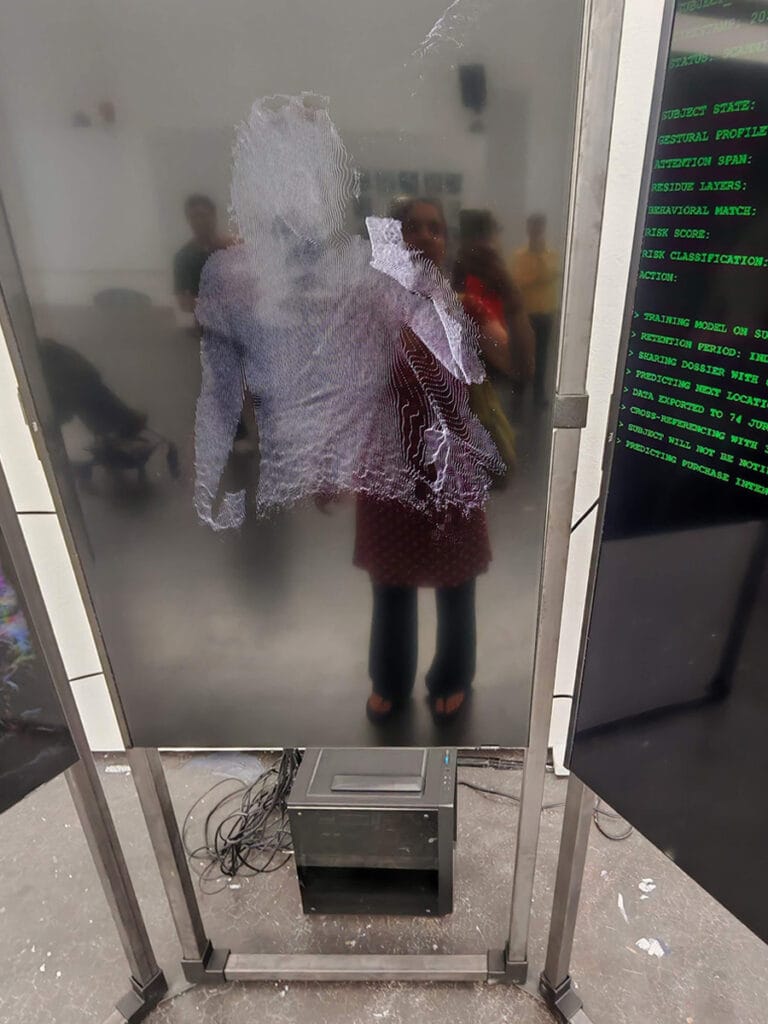
An interactive installation exploring the inability of digital systems to forget. On the center screen, you can see how the computer perceives you; on the left screen, your scan is stored in the system, like a shadow among all the other shadows. – Selected for Manifestations 2026
Jonna van Galen Last & Sofia Hoek – Objective: Activate All Lights
Communication & Multimedia Design Breda
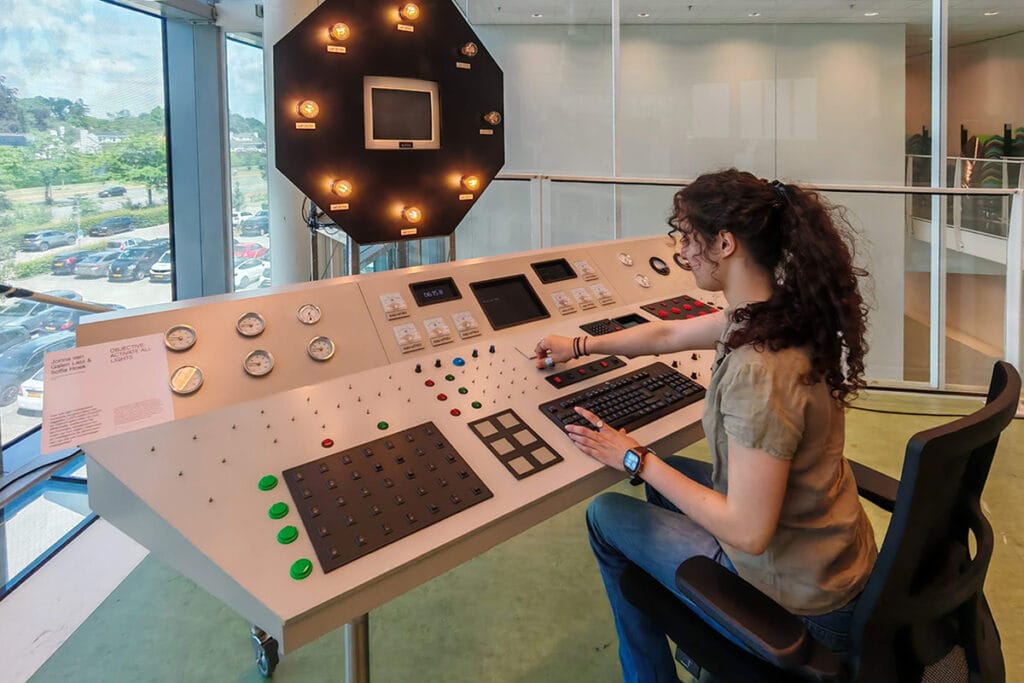
Interactive table where the goal is for the visitor to turn on all eight lights. This can be done by selecting the correct combination of buttons. Warning: if you use the AI, it will cost you dearly. – Selected for Manifestations 2026
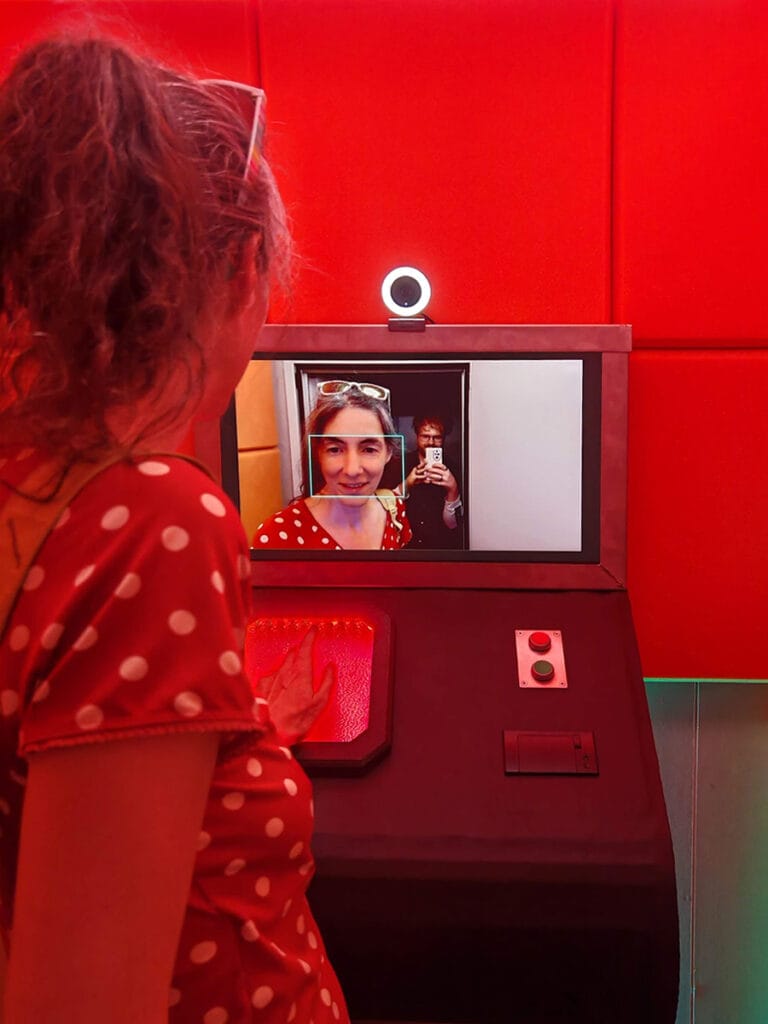
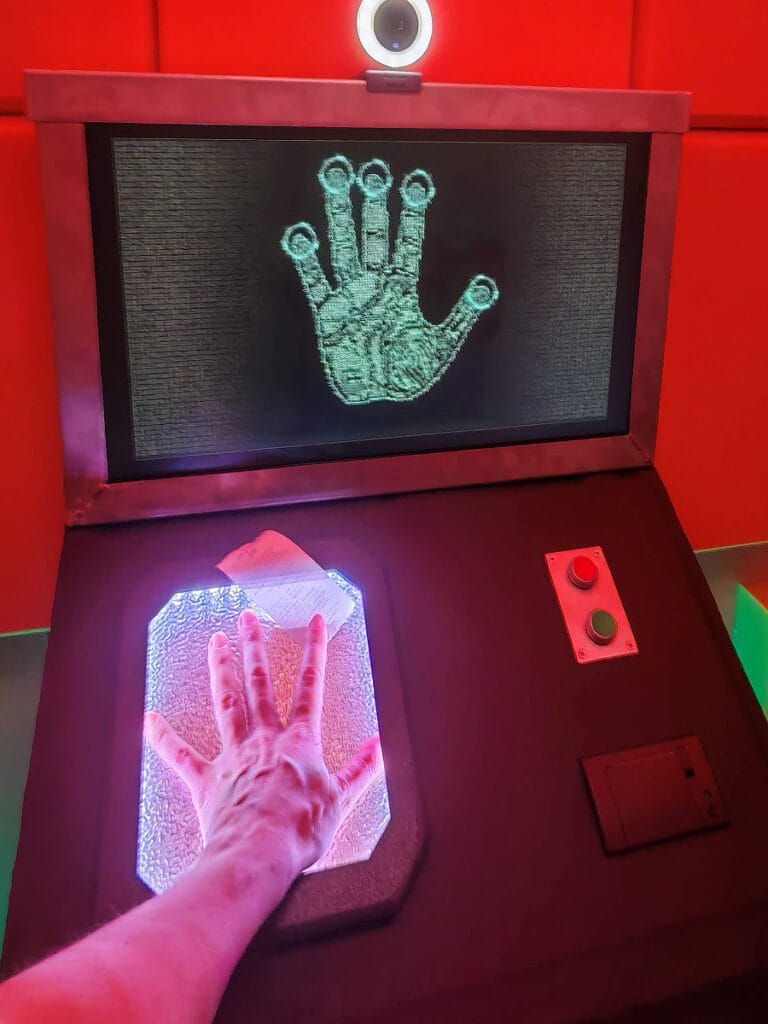
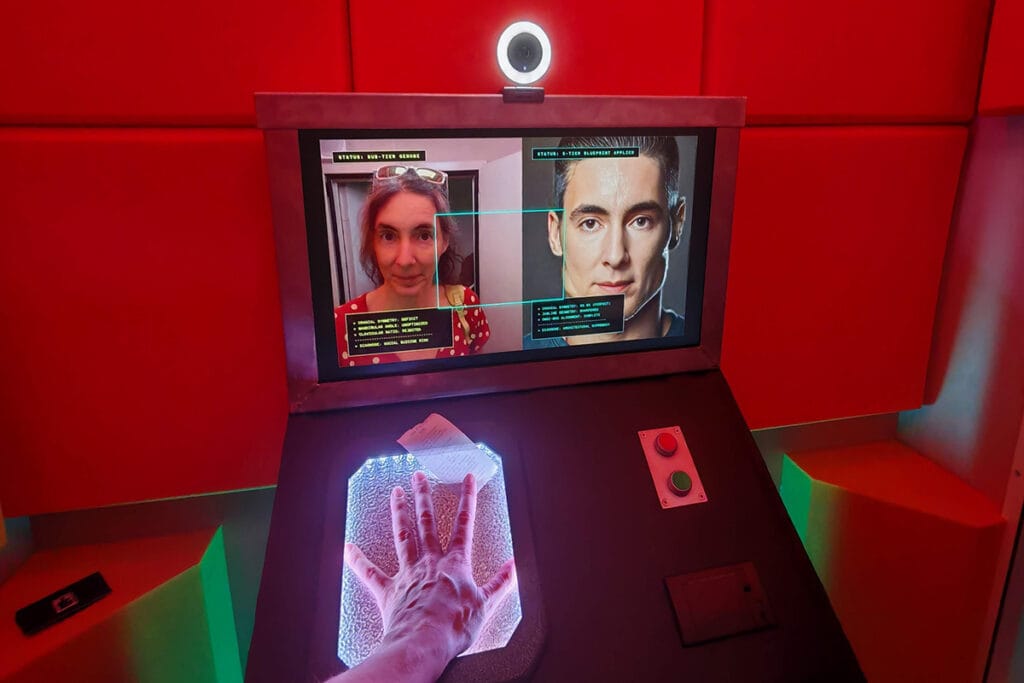
Ruben van Hooren – De Maat van de Mens
Communication & Multimedia Design Breda
The manosphere perpetuates the idea that your appearance is never good enough. In this installation, you experience this firsthand: a clinical system records and evaluates your appearance and compares it to an ideal image, constructed from your own physical characteristics. This is how perfect you could look. It’s the seductive rhetoric of “looksmaxxing”—the obsession with maximizing your physical attractiveness. A small adjustment escalates, step by step, into procedures that erase your own face. The installation lets you feel what it’s like to be measured and judged, until the question naturally arises: who is actually setting the standards here? – Selected for Manifestations 2026
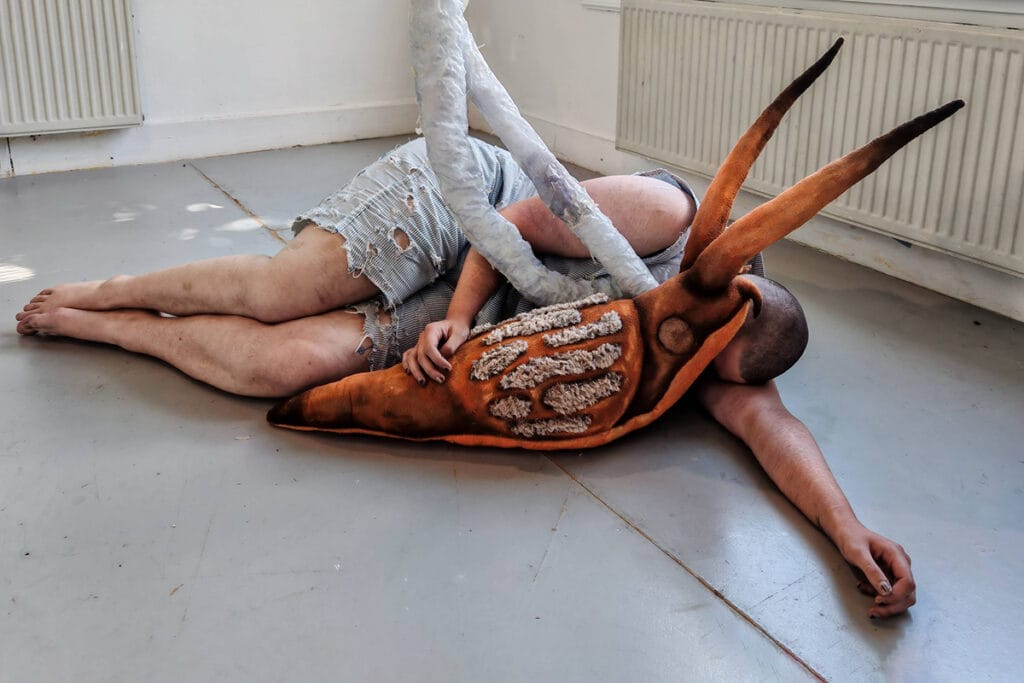
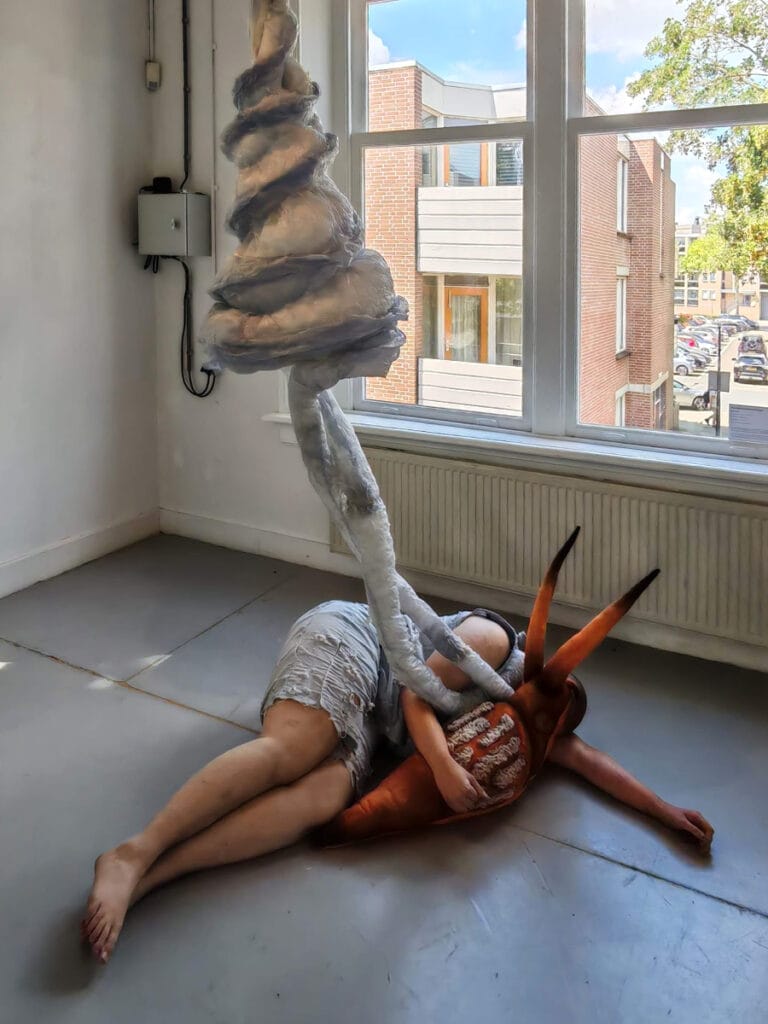
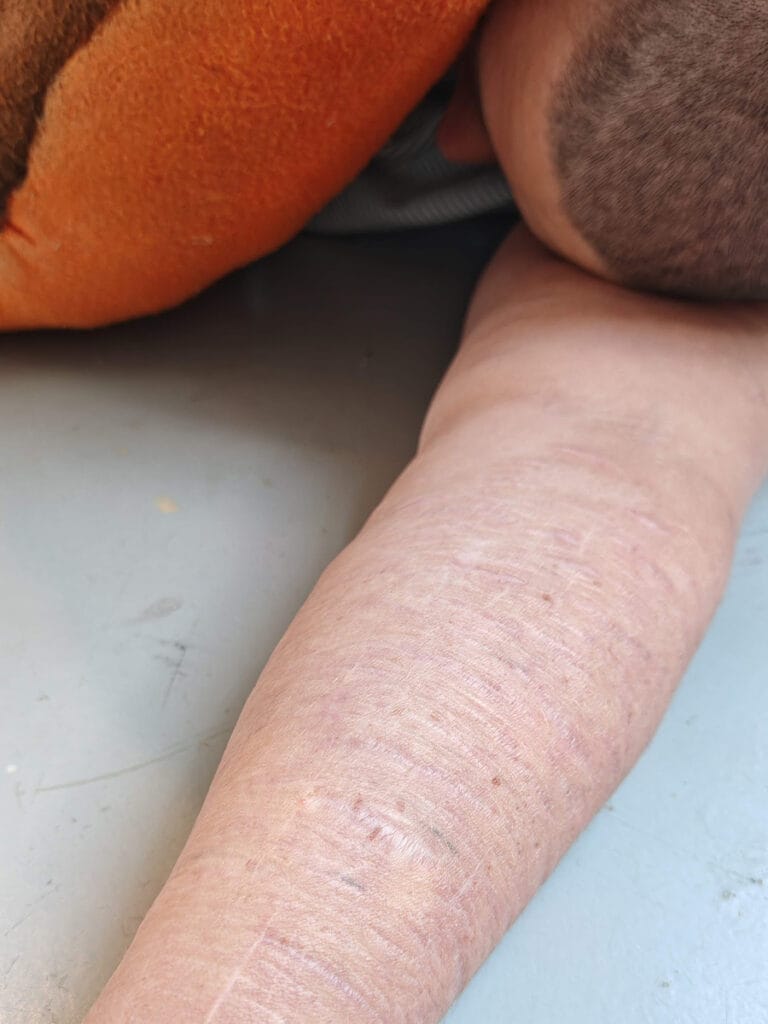
Nik Esmeijer – The Slime Behind Your Eyes
St. Joost Den Bosch, Master of Fine Arts & Design – Ecology Futures
A trans performer cradles a snail in a cuddling position. Damaged skin with 1,000 scratches is visible. – Selected for Manifestations 2026
Warm liquid drips from my insides
The sun shines so brightly in the morning
I spit out my sense of self
To become part of the water in the sink
A long-duration performance that expresses various ways of communicating through human and non-human bodies. It questions ideas about gender binarity and challenges heteronormative notions of legacy. It presents queer and asexual forms of reproduction, connection, and intimacy.
The work is inspired by the mating behaviors of snails and the way snails and slugs use mucus to communicate with one another. They use chemoreceptors to “taste” where they are and who they are with. The performance draws parallels between queerness and the fact that snails can be both male and female at the same time.
Matthijs van den Berg – APOPHENIA
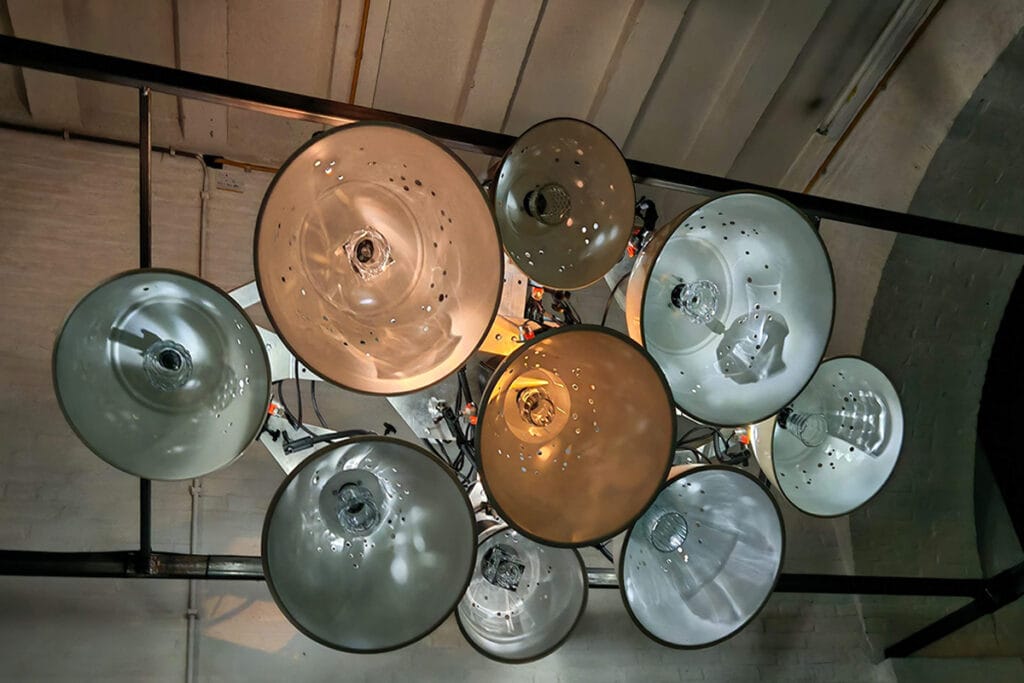
St. Joost Breda, Photography, Film & the Digital
APOPHENIA is a multisensory installation in which light refracts through repurposed glassware, creating an unpredictable dance of patterns within a series of lampshades. It serves as a source of calm and a grounding force in today’s overwhelming digital media culture. Combined with an original musical score by Joris van Suijdam, image and sound converge in your perception. It is an invitation to become aware of the way you perceive reality and assign meaning to it.
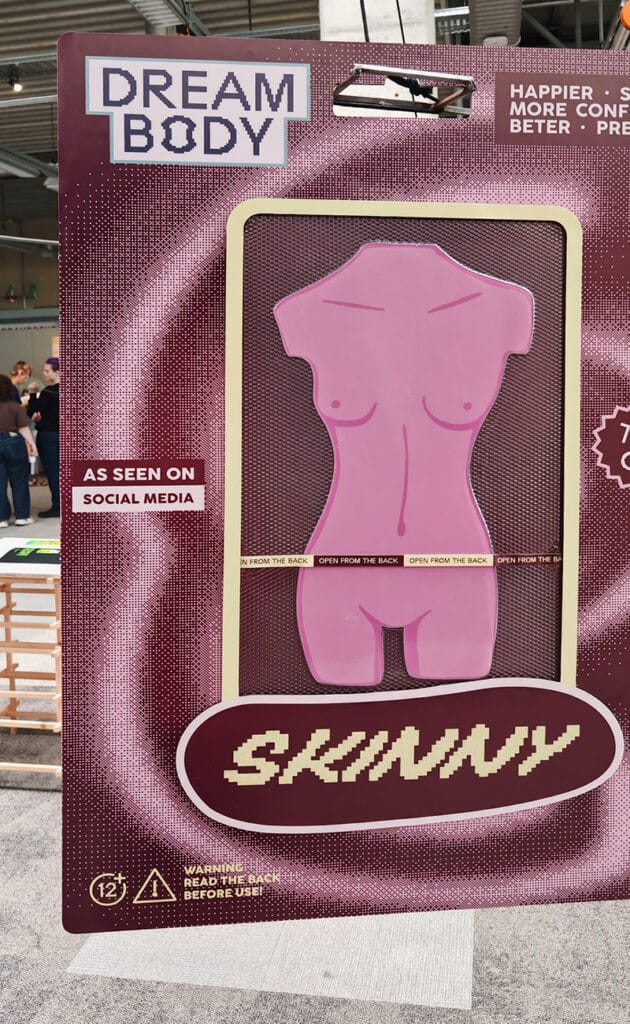
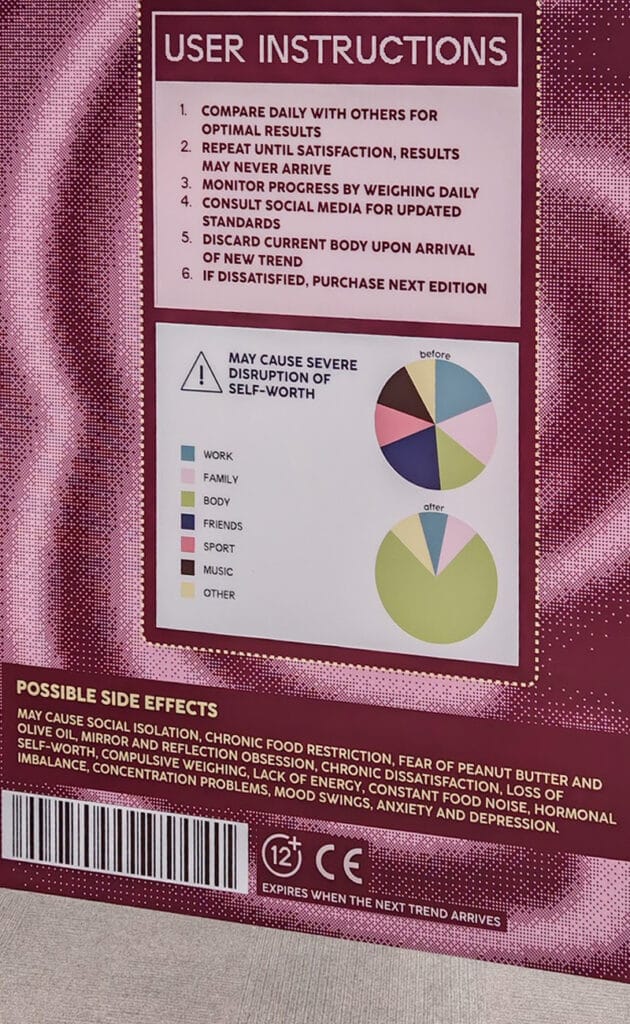
Loes Munsters – Read the Back Before Use
St. Joost Den Bosch, New Design & Attitudes
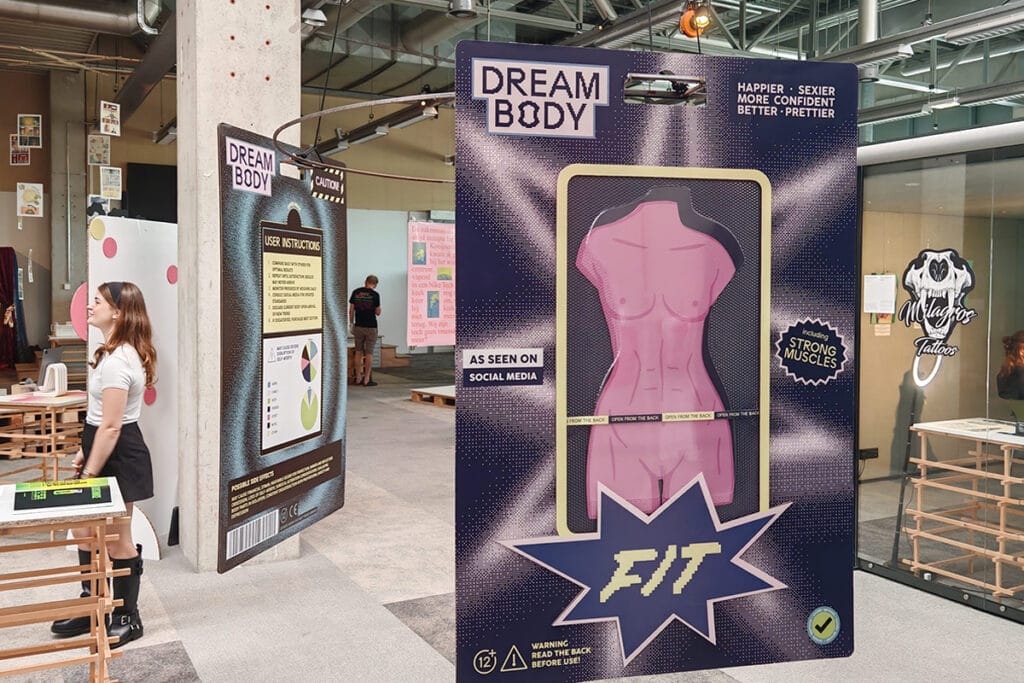
On beauty standards. How much are you willing to give up in the pursuit of an ever-changing ideal?
Beauty ideals are changing faster than ever. Over the past hundred years, beauty ideals have constantly fluctuated between three ideals. By constantly chasing them, we may start to view our bodies as objects—something to improve, alter, buy, and perfect.
Three different beauty ideals presented as consumer packaging. But don’t forget to read the back label before use! Because beauty ideals don’t just determine how we look—they also determine how we see ourselves and how much we’re willing to give up in the pursuit of an ever-changing ideal.
Geraldine Santillana Armas
St. Joost Den Bosch, Master of Fine Arts & Design – Ecology Futures
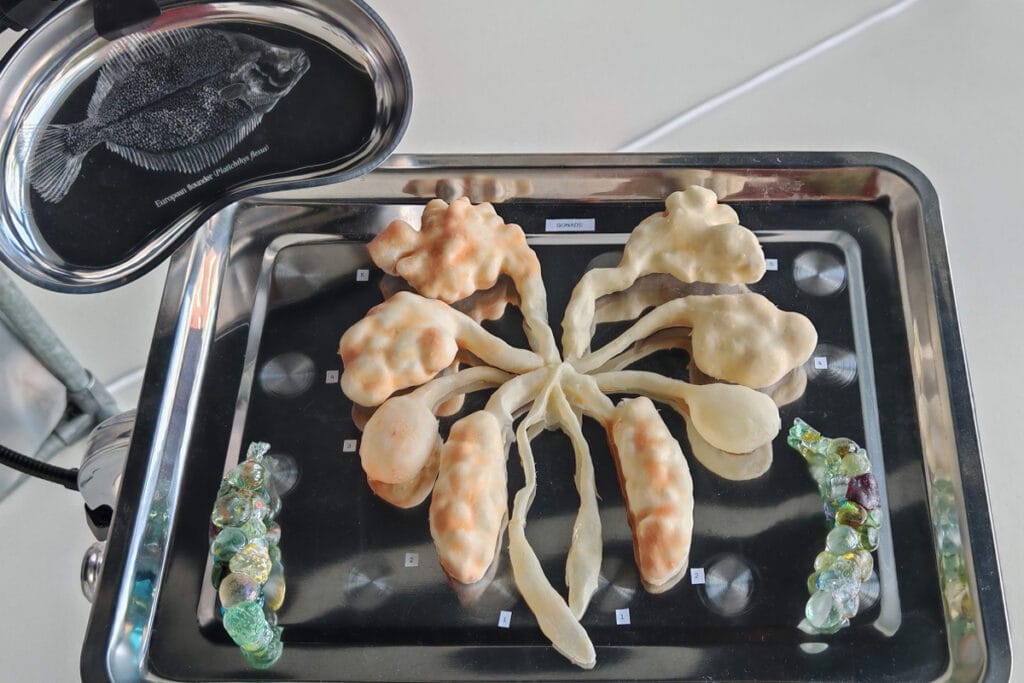
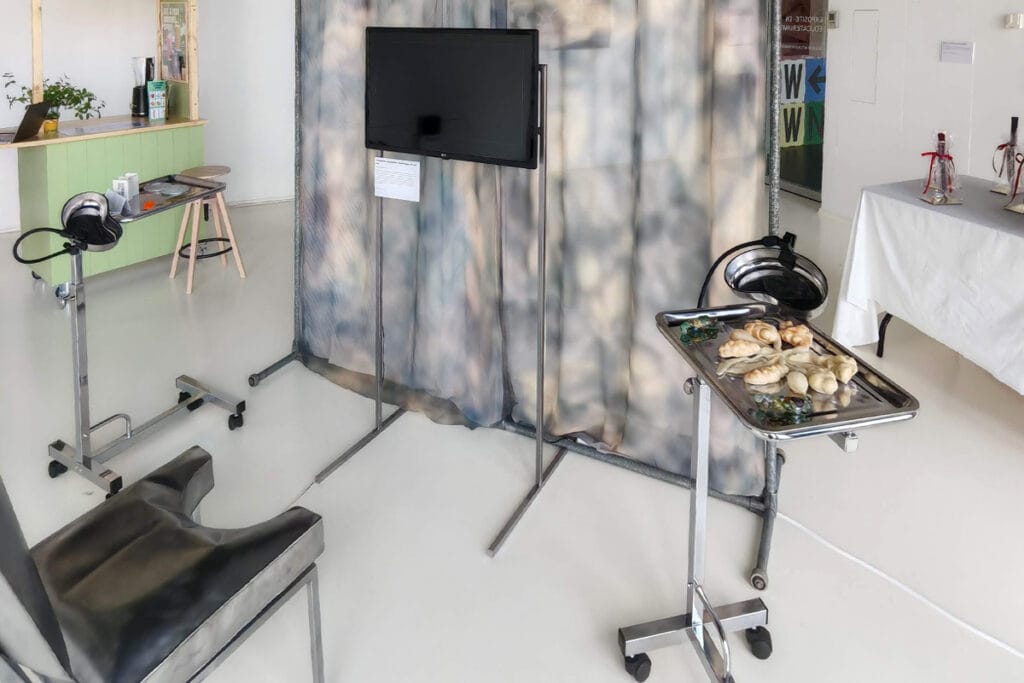
An artistic research project that takes birth control pills as its subject of study and approaches them as a technological device that connects two bodies via estradiol: my body and the zebrafish. This encounter serves as the starting point for an investigation into how the scientific and medical infrastructures that sustain hormonal contraception have created fixed reproductive timelines in which different species become intertwined. This interbreeding of species is embodied in the case of zebrafish exposed to hormonal residues from birth control pills, specifically ethinyl estradiol, which is associated with changes in the fish’s reproductive development, including the formation of egg cells in their testes.
Through this case study, the research explores how reproductive technologies transcend the boundaries of the human body and generate effects that unfold across different species. The video installation becomes a space to visualize alternative patterns of reproduction with other species.
Extractive systems carry with them a history of power, violence, and desire, and working with them means remaining in close proximity to exposure, uncertainty, and pollution.
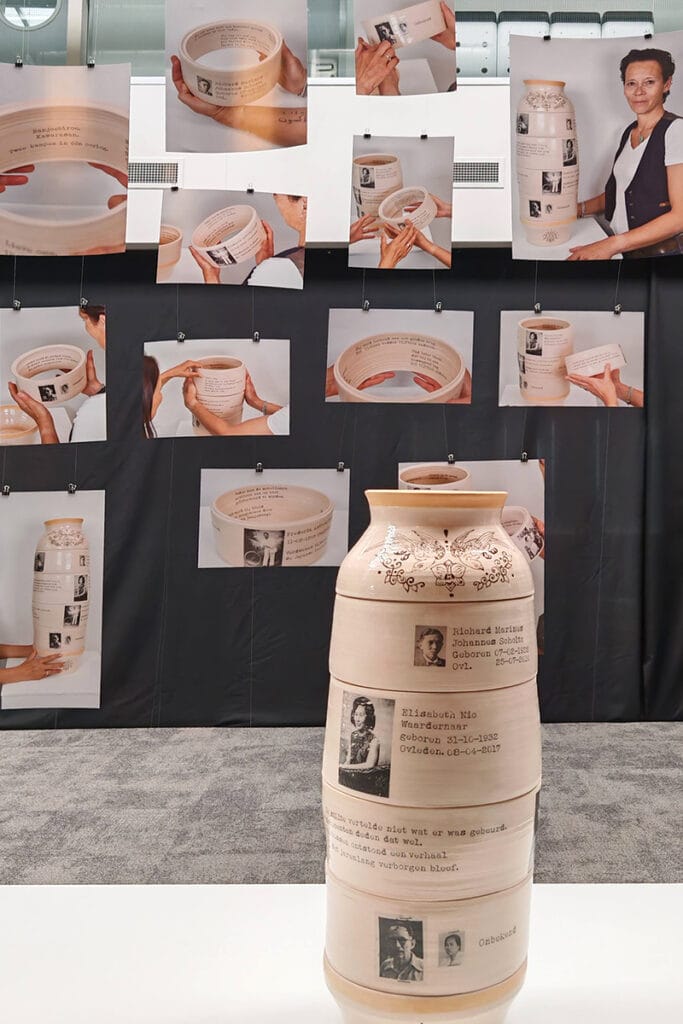
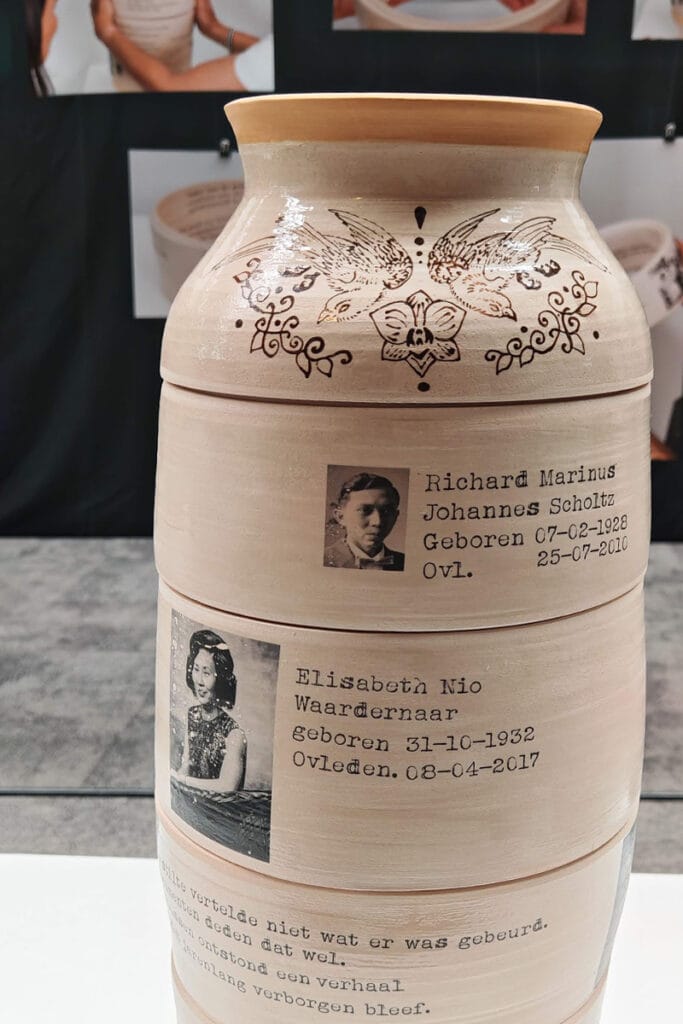
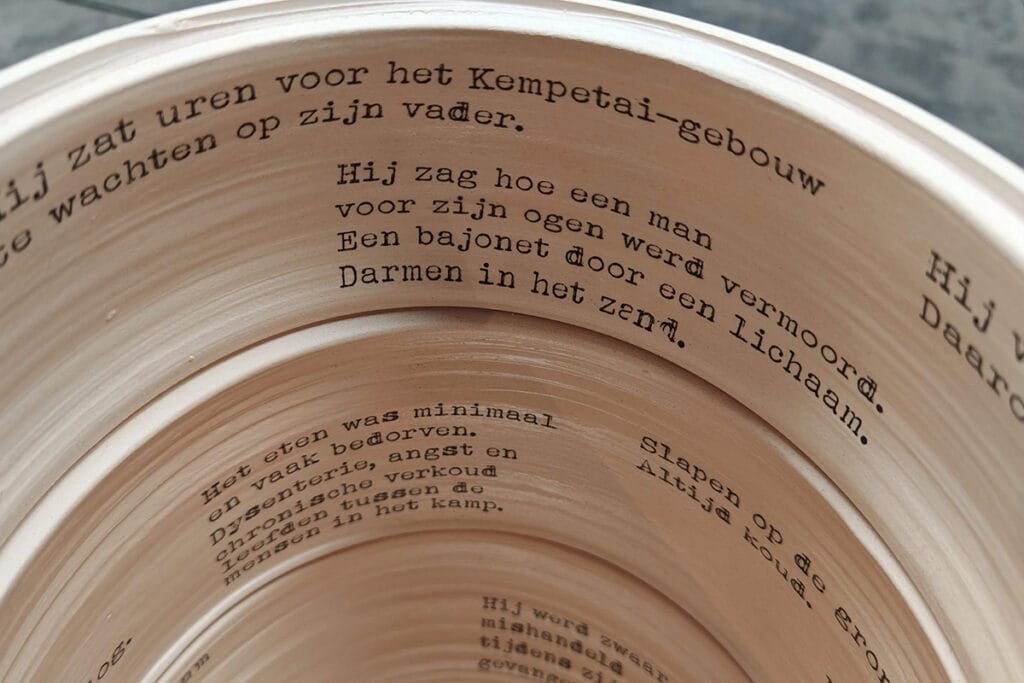
Senna Verheggen – What Was Never Told
St. Joost Den Bosch, New Design & Attitudes
Stories from history that people don’t talk about, which she wrote down so they wouldn’t be lost. Stories from the Dutch East Indies during and after World War II.
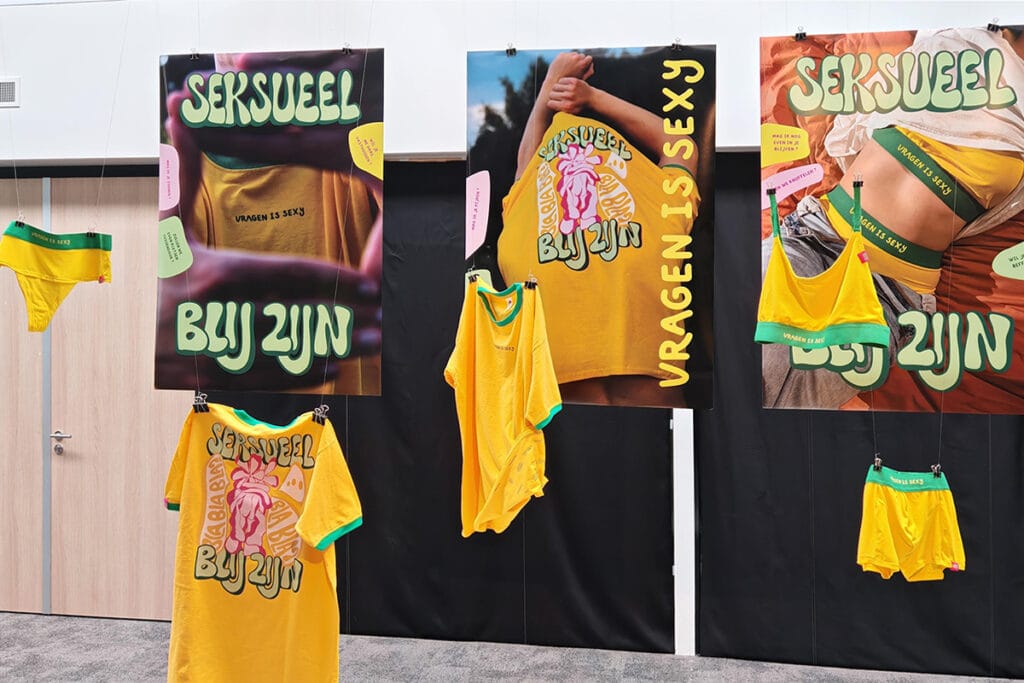
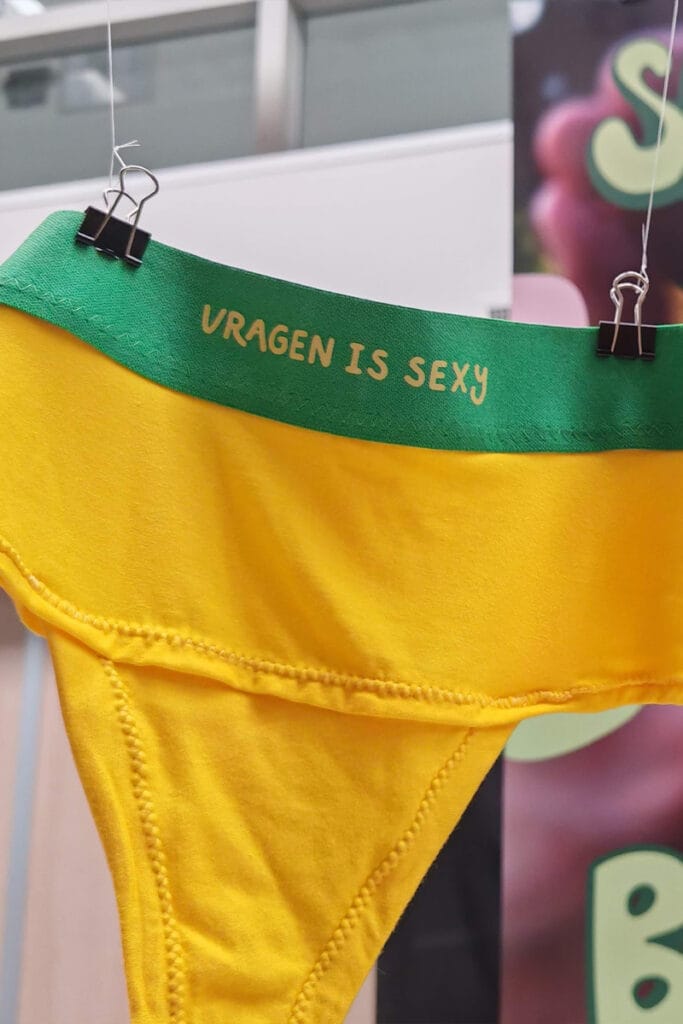
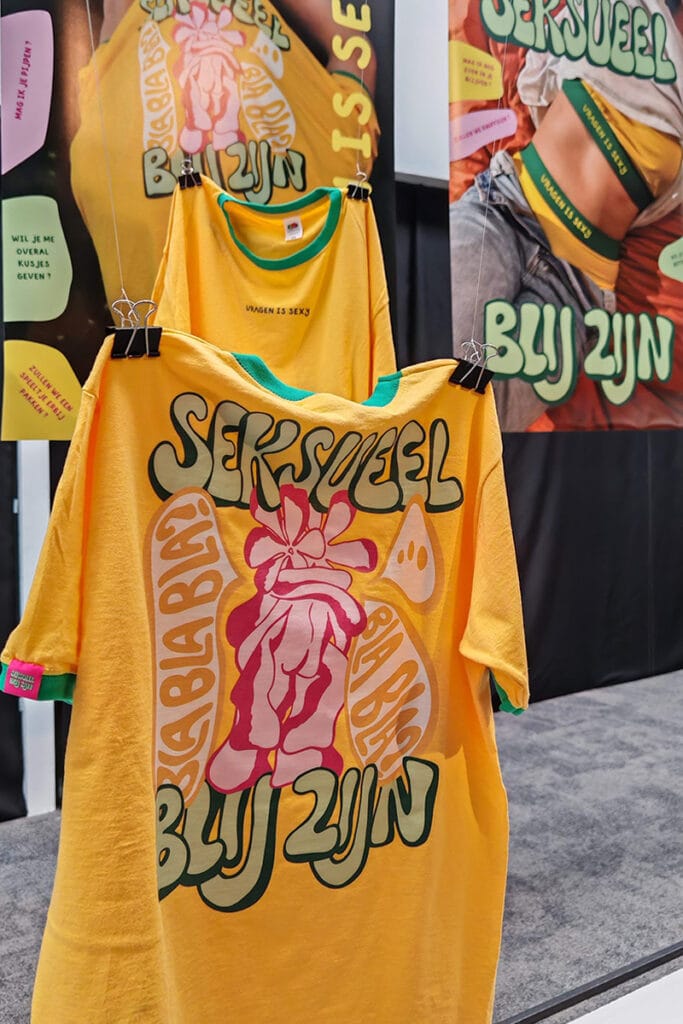
Lieke Heuver – Seksueel Blij Zijn
St. Joost, Den Bosch, New Design & Attitudes
Asking questions is sexy; I want to enhance sexual pleasure by normalizing the act of asking questions.
Teens rate their sex education a 5.6 out of 10. Sexually inappropriate behavior is on the rise. Condom use is declining. STIs are on the rise. There’s misinformation online. On top of that, we’re still not learning anything about boundaries, desires, and sexual pleasure.
To make safe, enjoyable, and healthy choices, narrow the orgasm gap, reduce boundary violations, and prevent STIs, we need to take more action!
I want a world without prejudice and taboos. I want consent to be asked for as if it were the most natural thing in the world—and then to take it a step further! By talking about sex with your sexual partner, but also with others. We learn from each other, grow closer, discomfort and taboos disappear, and the crossing of sexual boundaries is prevented! – Nominee Lucasprijs 2026
Roos Bekkers – Misverstandig
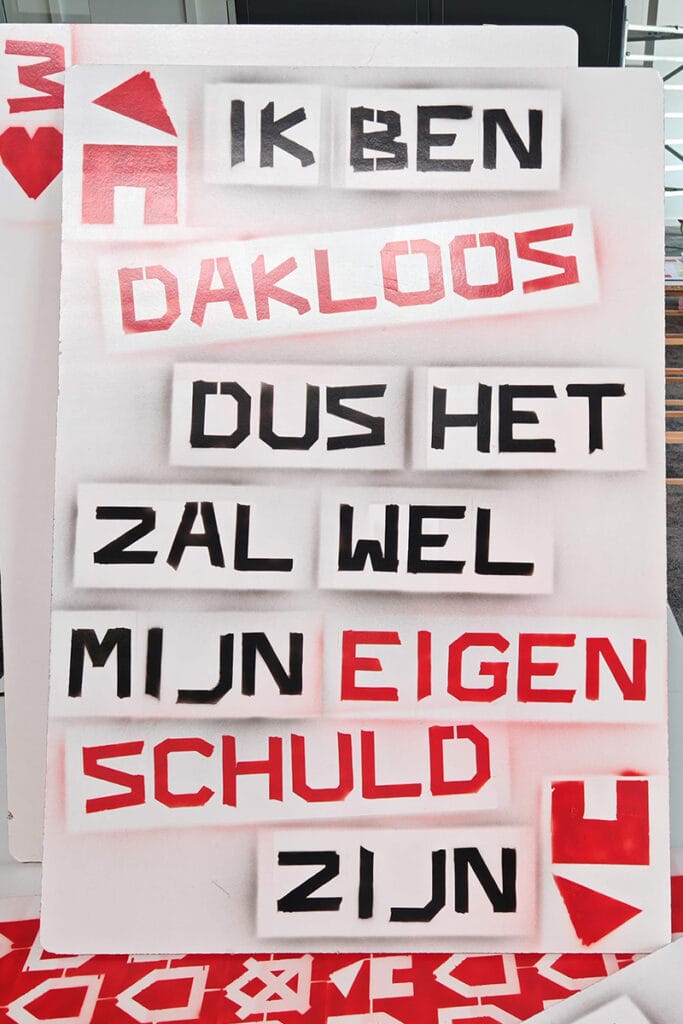
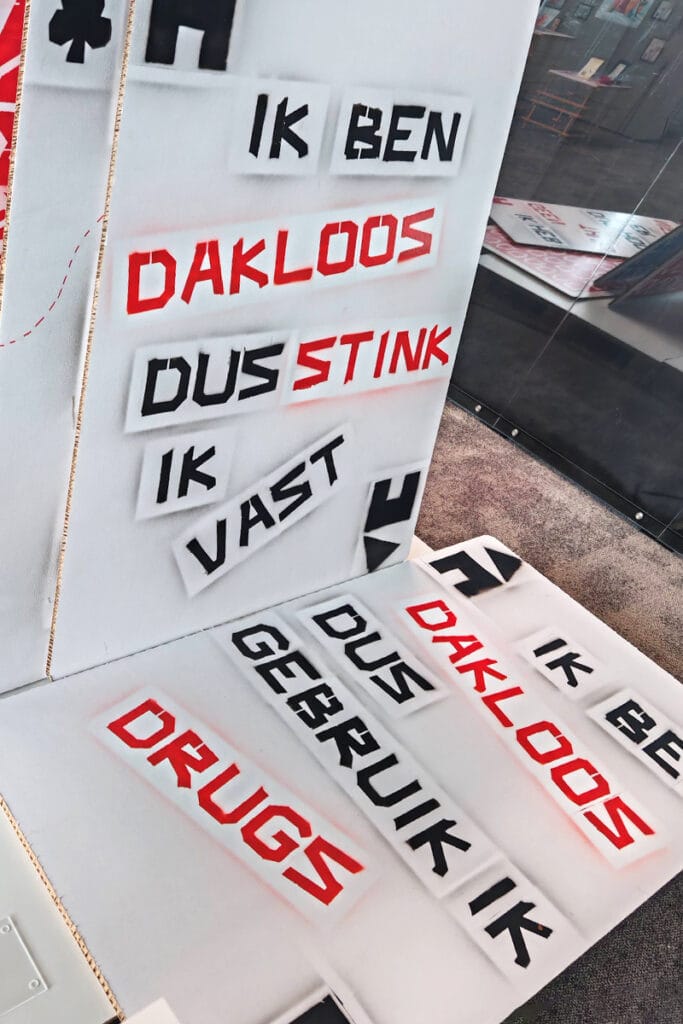
St. Joost Den Bosch, New Design & Attitudes
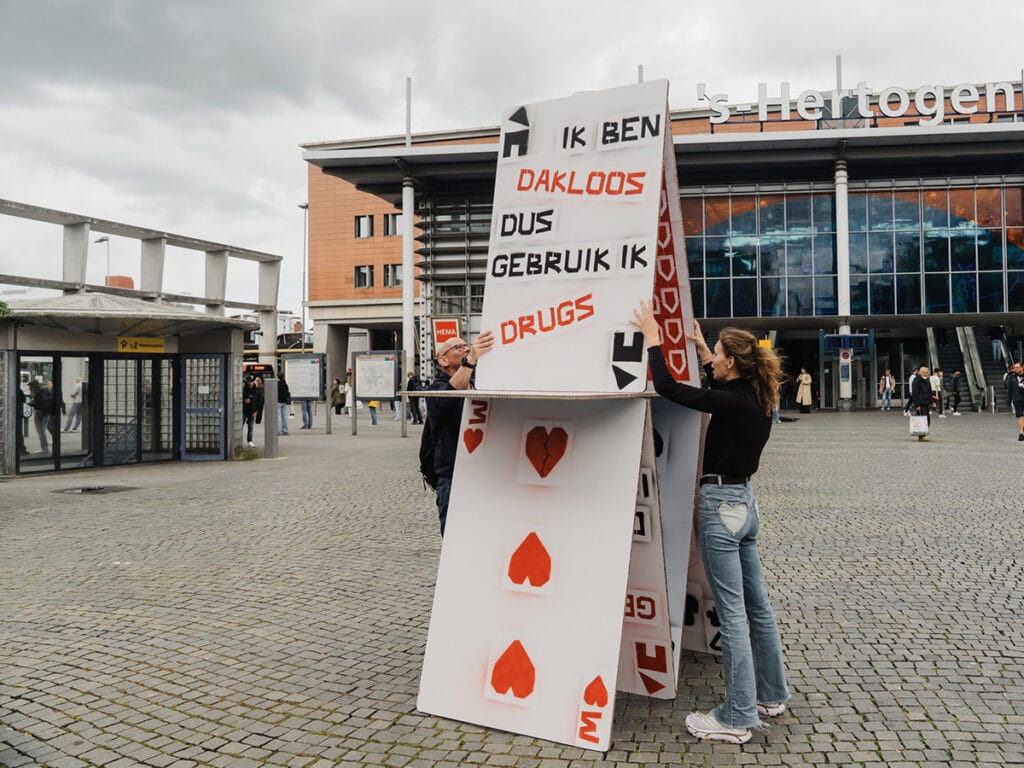
A manifestation of misconceptions about homelessness. There are many misconceptions about homelessness. People often assume that homelessness is someone’s own fault or that someone who is homeless automatically uses drugs, for example. However, this is not necessarily the case. Homelessness can happen to anyone and is often caused by complex circumstances. – Nominee Lucasprijs 2026
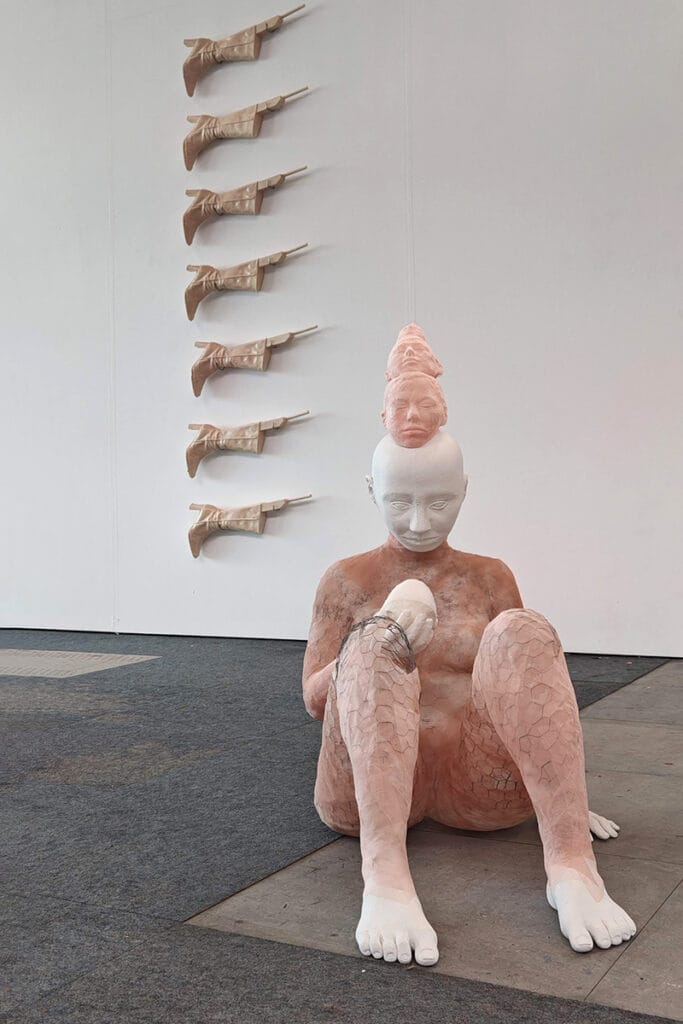
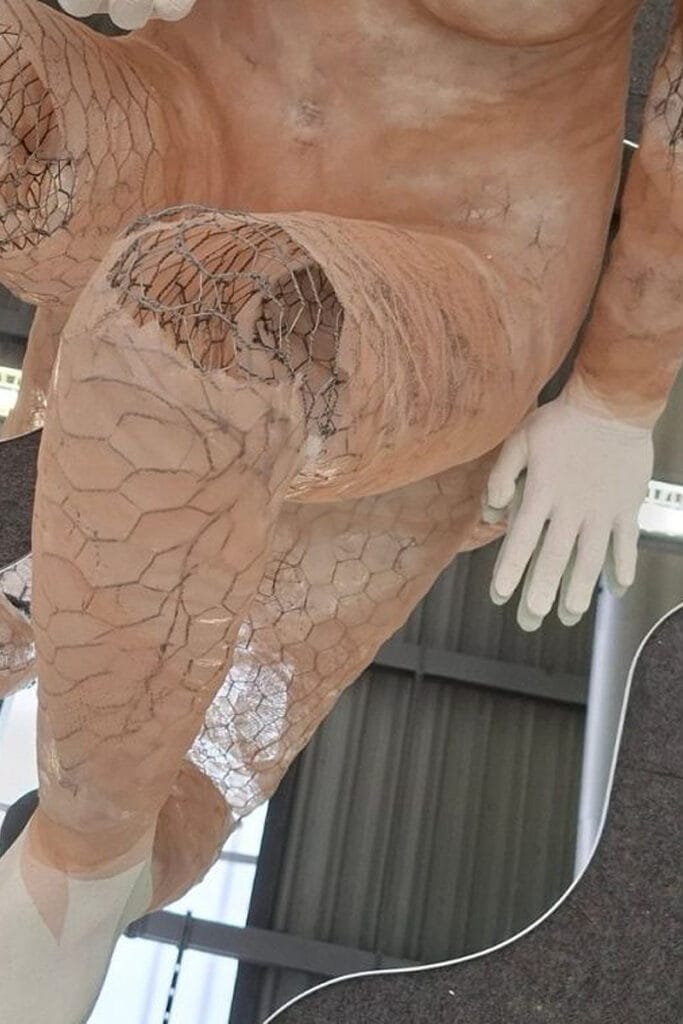
Terra Dannenburg – When Bodies Are
St. Joost Den Bosch, Art & Research
I shape, fold, and crumple. The light shines through the sheets, which are made of thin layers of fabric. My hands are soft, yet rough. Slowly, I give them human forms. Their large figures seem even bigger in comparison to my own.
Like most people, I think, I find myself involuntarily wondering what it means to live, to have a body, and to be human in this world. For me, the sculptures in this project have been a way to explore these themes of existence in a more abstract way than through words and conclusions.
Taking the time to create something is also a small act of resistance: against haste, against routine, against the ordinary. Against inattention. It is a miracle that I can feel that I exist. – Winner Jheronimus Atelierprijs 2026
Daan Dekkers – piet
St. Joost Den Bosch, Art & Research
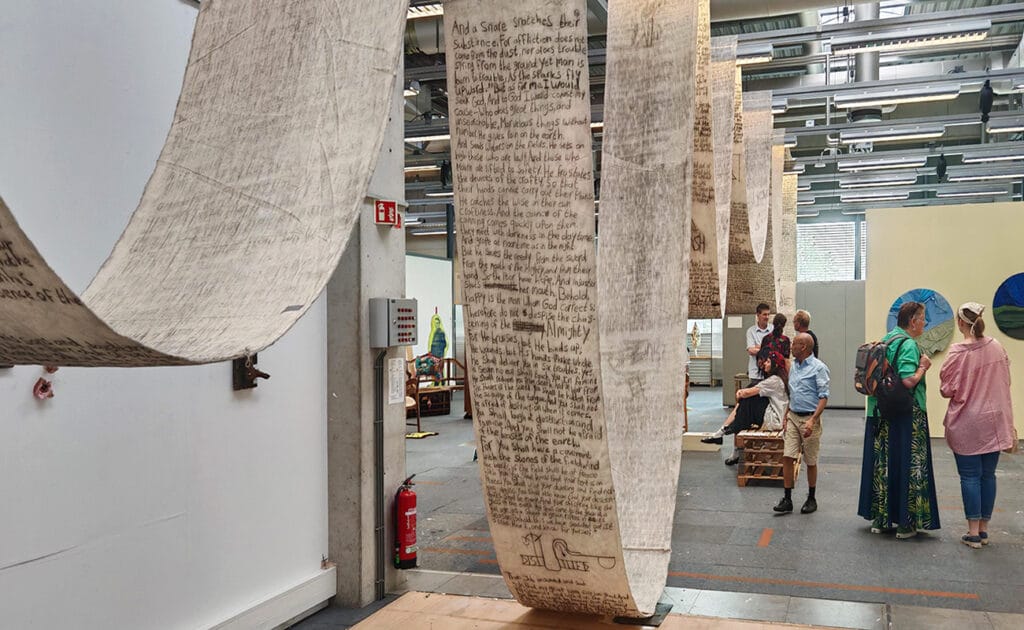
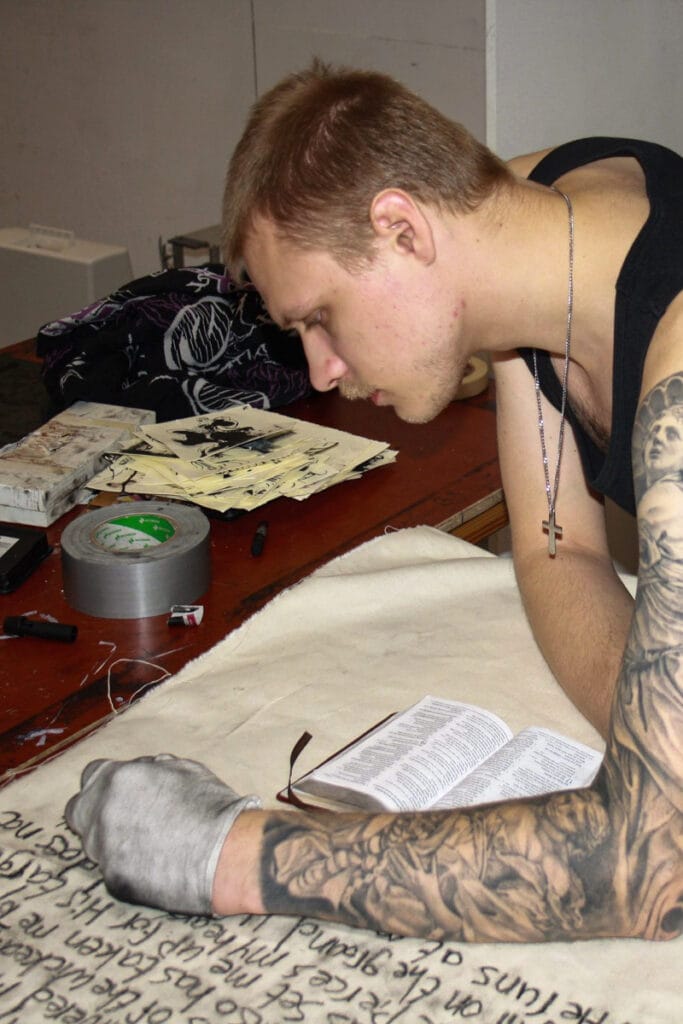
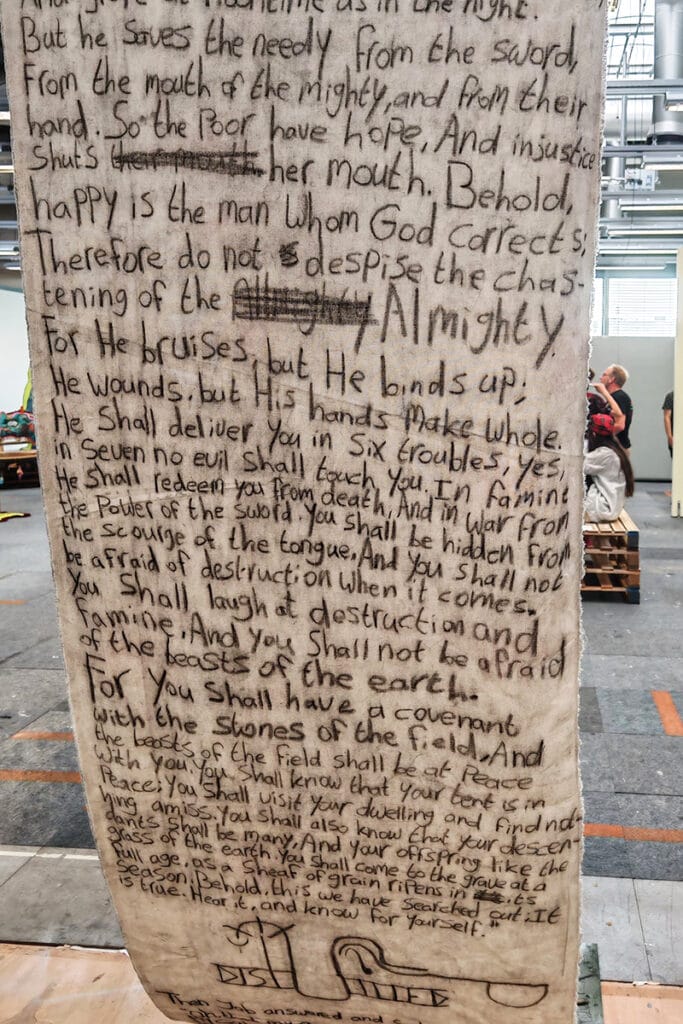
A long scroll stretches across the room. As I write, blisters form on my fingers. I keep writing. I’m trying to go somewhere, even though I don’t know where. Words pile up until they become something else. The text doesn’t have to be read. Maybe it’s an attempt to hold on to something. Maybe to fill a void.
Photography: Viola van Alphen
