
In Cornwall, England, the Amsterdam-based design studio Kossmanndejong has created an immersive, multimedia exhibition that explores the resistance and struggle of a unique historical event. The exhibition tells the story of the Second Anglo-Boer War (1899 – 1902) in South Africa and the British concentration camps, focusing on the activism of feminist Emily Hobhouse.
Through twenty-four consecutive audiovisual rooms, visitors are immersed in the experiences of the Boer fighters, British soldiers, and the local black population. The exhibition captures how war spirals out of control. Amidst all this suffering, Emily stood apart as one of the few who focused on preserving humanity rather than contributing to its destruction.
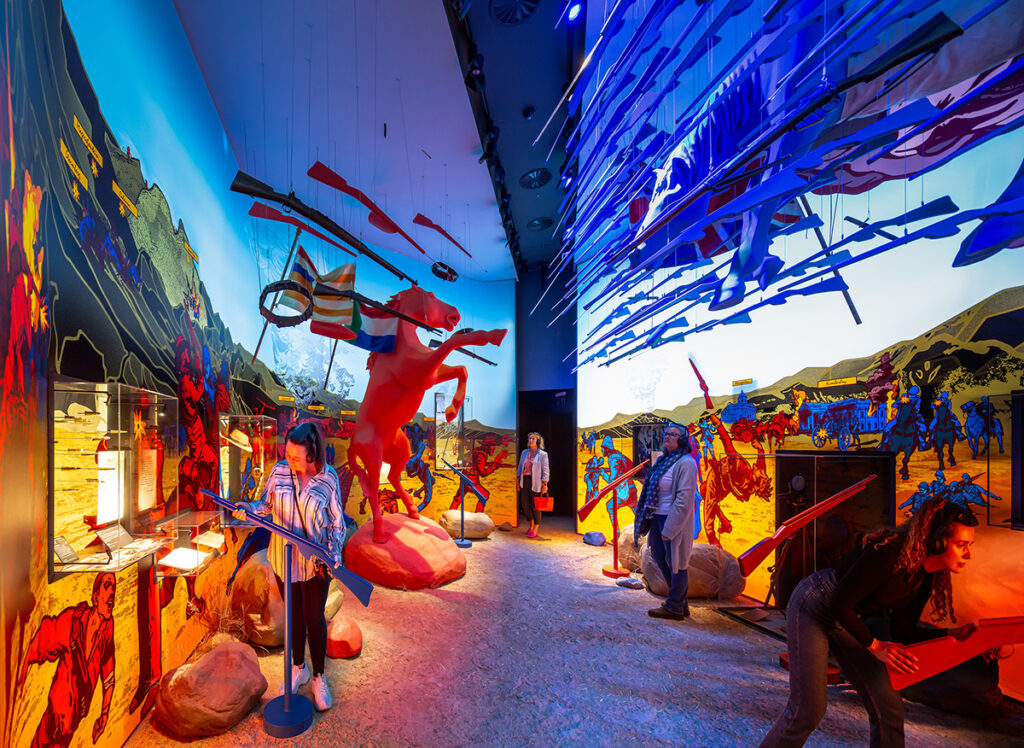
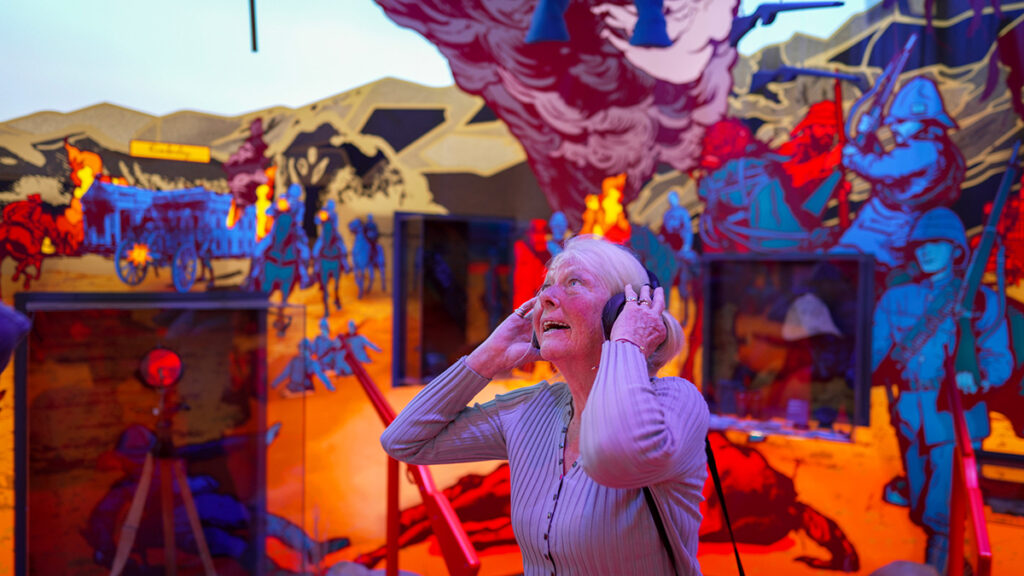
A Cinematic Experience
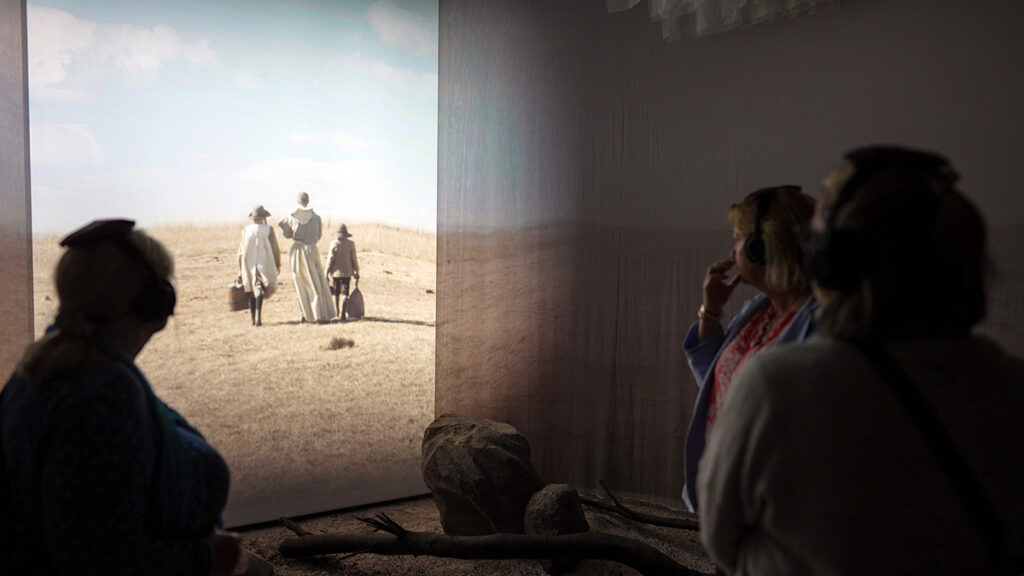
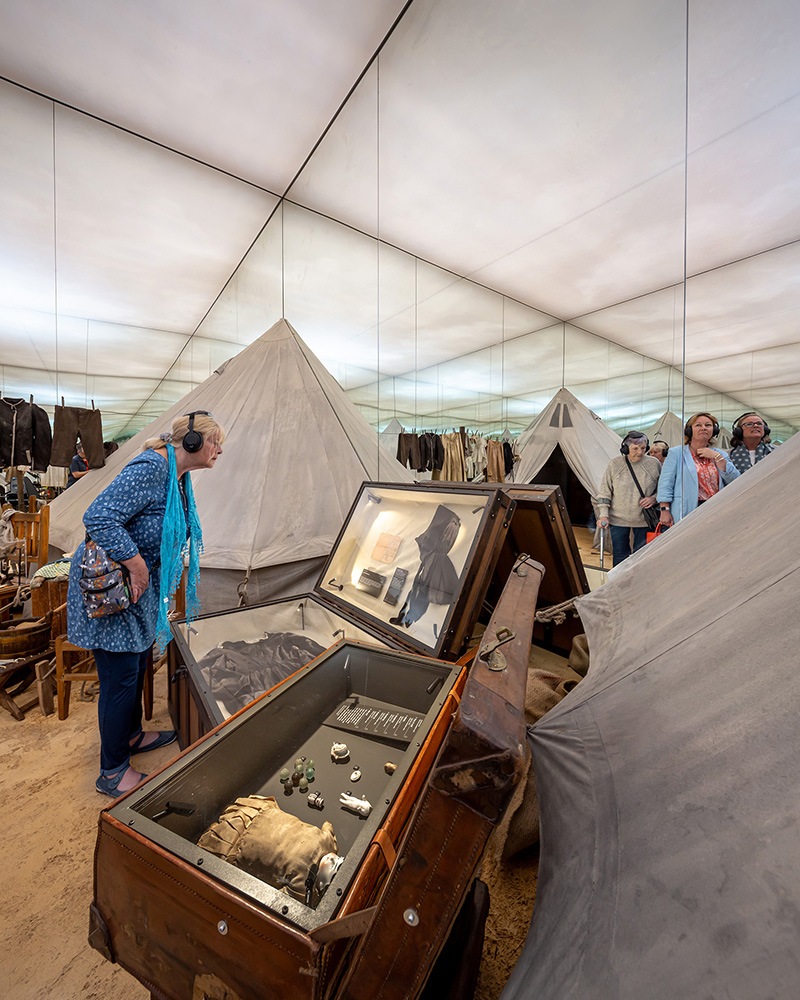
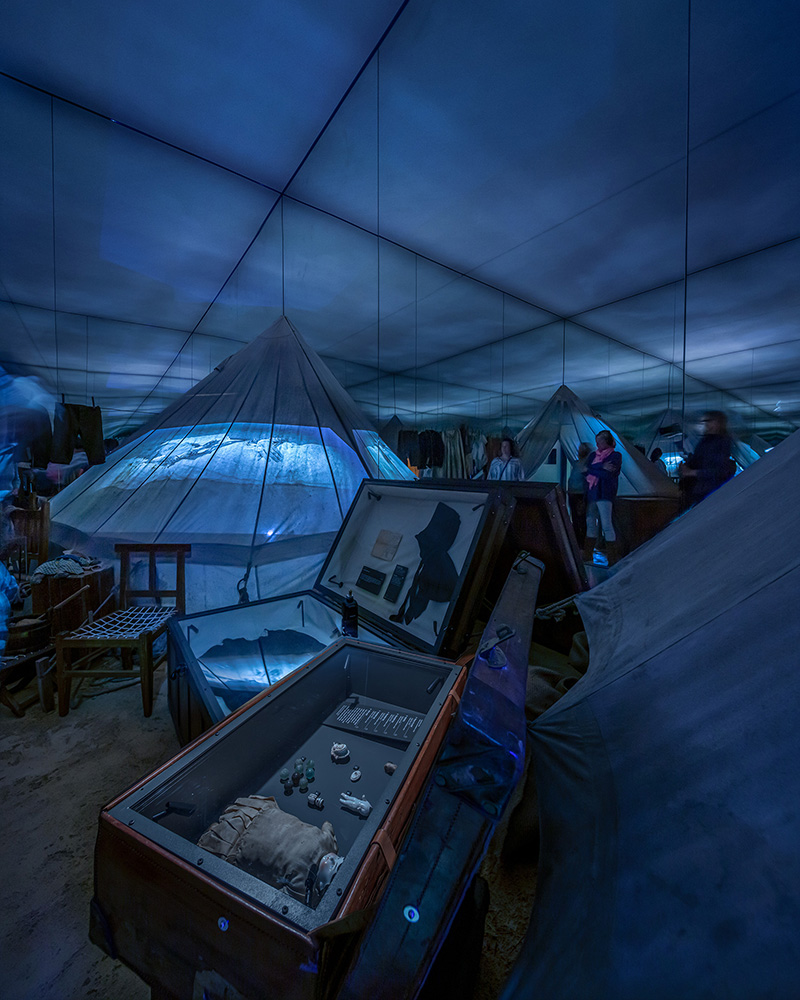
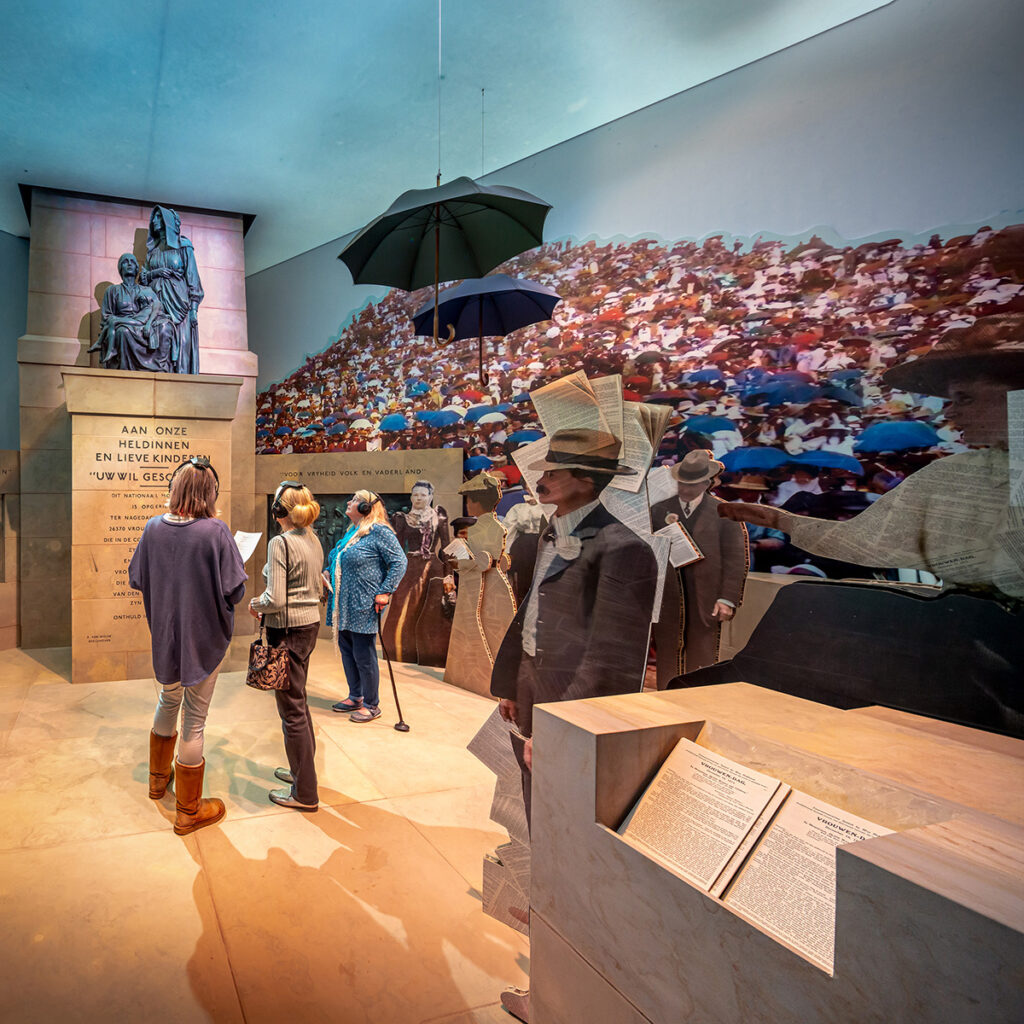
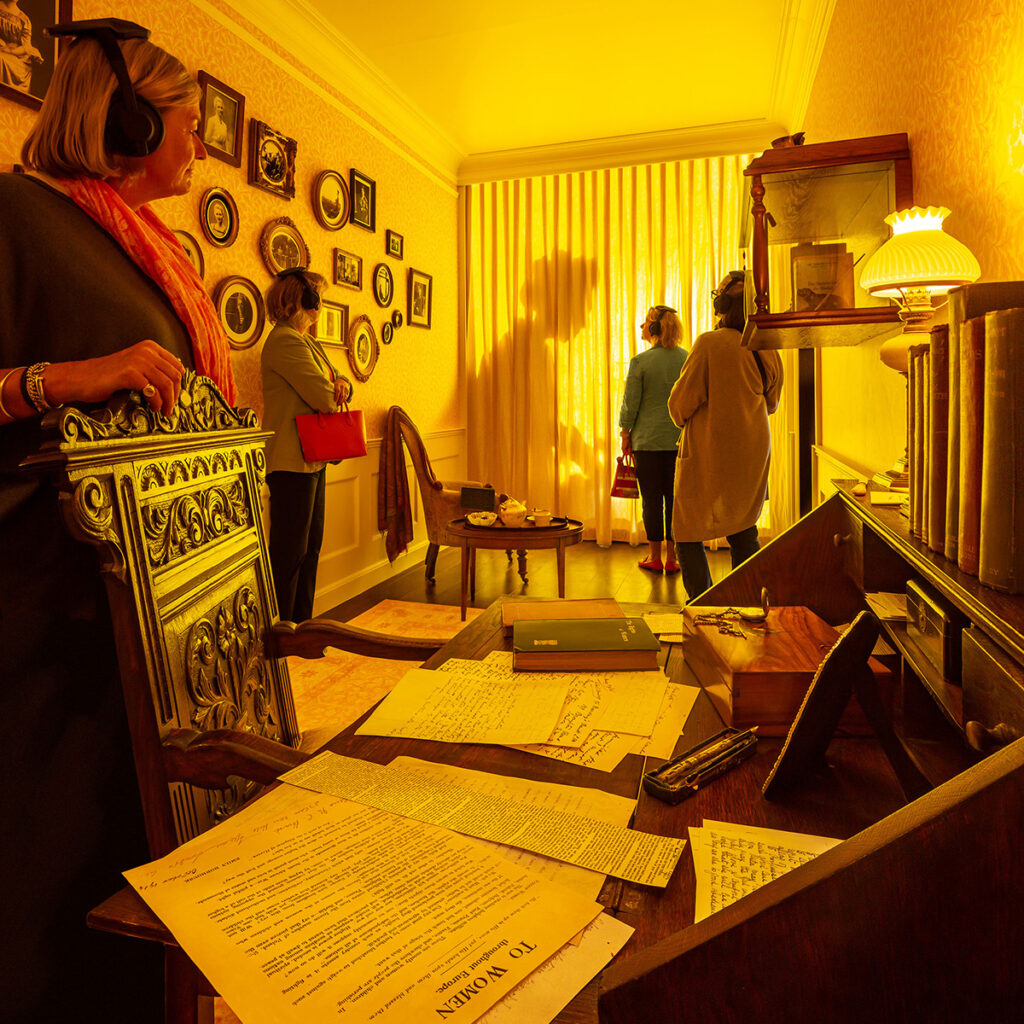
In ‘The War Rooms,’ a building designed by Stonewood Design, visitors walk through the museum wearing headphones. Audio stories begin playing as they enter each room, unfolding the military struggle, the culture of the Boers in South Africa, the roles of the Black population, and Emily’s humanitarian work in the British concentration camps. These stories are seamlessly synchronized with animations and videos, while the lighting is programmed to evolve over time, making each chapter come alive as if visitors were part of the story. Original artifacts and historical pictures displayed in illuminated cases further enhance the authenticity of this historical journey.
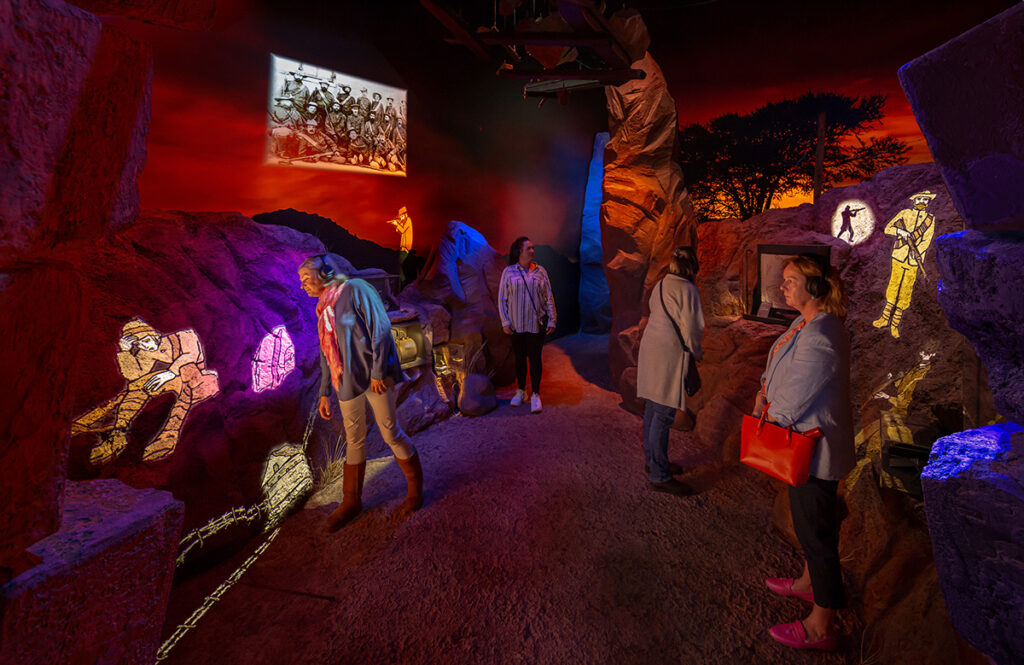
Close to the Characters
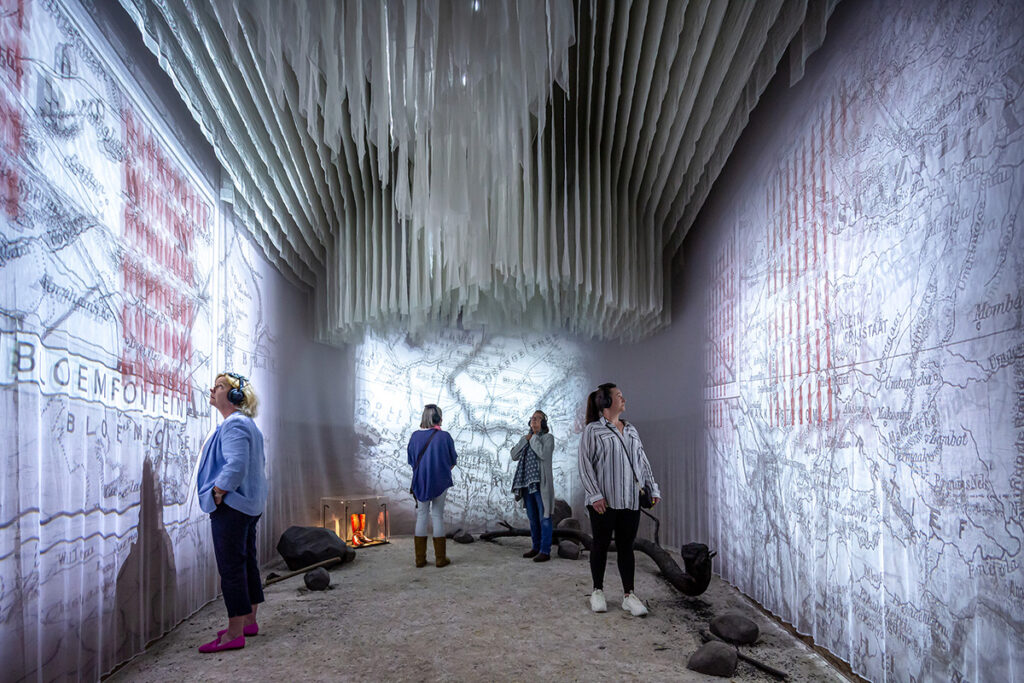
Through the personal stories of an ordinary British man, Peter and a Boer woman, Susanna and her children, visitors delve deeper into their experiences during the war. Later, you meet these two characters surrounded in a 360-degree video projection. Peter finds himself forced by his lieutenant to burn down Susanna’s house as she and her children weep and beg him not to. Does this moment transform him from a perpetrator to a victim of war? Visitors can decide. In another room, original photographs from the concentration camps are projected, accompanied by Emily’s voice recounting the stories of the women she met and documented there.
Empathy and Immersion
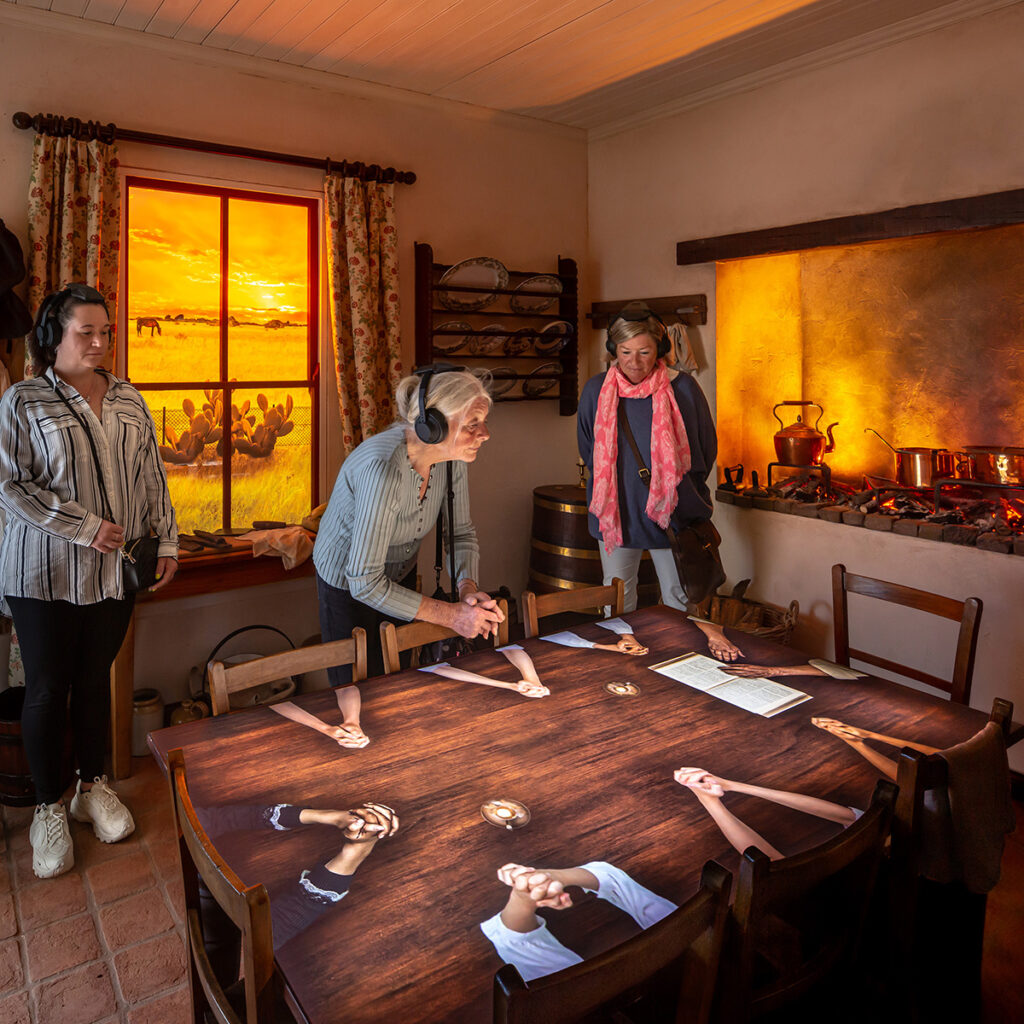
Through scenography, original objects, changing lights, animations, videos, and audio, visitors are guided step-by-step through the downward spiral of violence that consumed both leaders and ordinary people during this war. By presenting all perspectives vividly, visitors are encouraged to understand the actions of people on both sides, fostering empathy for their choices and struggles. Amid the devastation, the exhibition highlights how rare and difficult it is, like Emily Hobhouse, to stay true to one’s moral compass. She refused to be swayed by violence or blame, instead focusing on those who suffered the most: the women and children in the camps.
A timeless lesson for the Future
Emily Hobhouse’s story shows that even in the darkest times of war, individuals with a strong moral consciousness can wield a peaceful influence by upholding values such as empathy and humanity. This exhibition emphasizes the crucial importance of these values during times of conflict and illustrates how history is bound to repeat itself if we fail to learn from them. It reminds us why it is vital to celebrate and share her example as a powerful guide for the future.
Experience this powerful story at The War Rooms in St Ive, Liskeard (UK), the birthplace of Emily Hobhouse. The War Rooms are part of “The Story of Emily,” a brand-new experience where, in addition to this exhibition, you can also visit Emily’s childhood home, The Rectory. Discover more about The Story of Emily here: thestoryofemily.com
Photography: Thijs Wolzak and Bart Majoor


