Longread by Thonik
As of 2022, the International Council of Museums has redefined and expanded what a museum is and should do: museums are places that collect and conserve heritage (old news) and that, in doing so, foster diversity and sustainability. A museum is an organisation that cooperates with communities to offer experiences for education, enjoyment and reflection. In other words: museums are the bridges that link art and knowledge to the people, whoever they are. It is no longer their role to gatekeep knowledge for a specific elite, but to share it with all.
Thonik has over 30 years of experience in museum communication and embraced this philosophy of art for all, long before it was coined. Being able to work with Jan Hoet, one of the first curators who was determined to showcase art outside of museums, helped thonik build their niche of their own: the one of museum communication for all. Over time, we have tried and tested many different ways of designing for museums, and found designing for museums is different for three different reasons.
1 Museum communication is culture itself
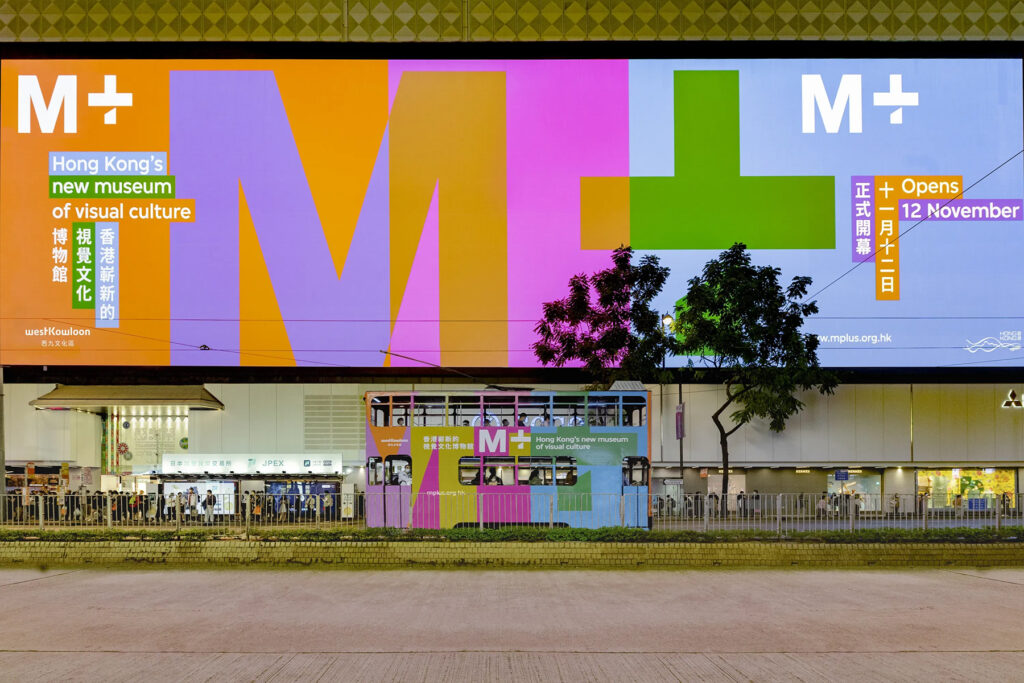
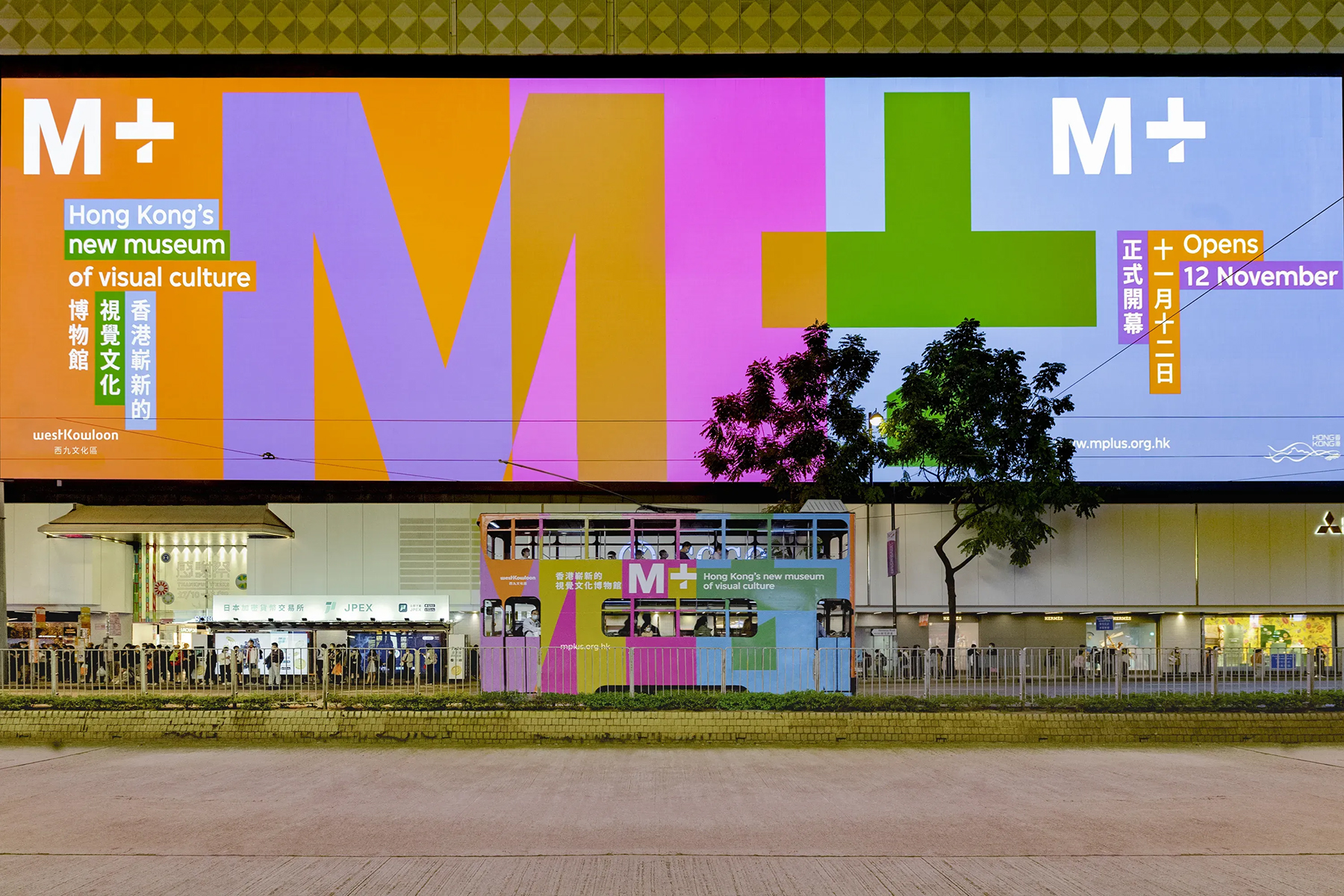
Only a few people might hang a poster for a municipality or a toothpaste brand on their walls, but millions of people around the globe embellish their homes with museum communication. Communication for culture is culture itself. That implies more freedom to draw outside the lines, but adds a responsibility: a museum’s communication must have a cultural quality that reflects the society in which the museum exists. If the museum is a mirror of society, then the museum’s identity is the mirror’s frame.
2 Good museum communication expands audiences
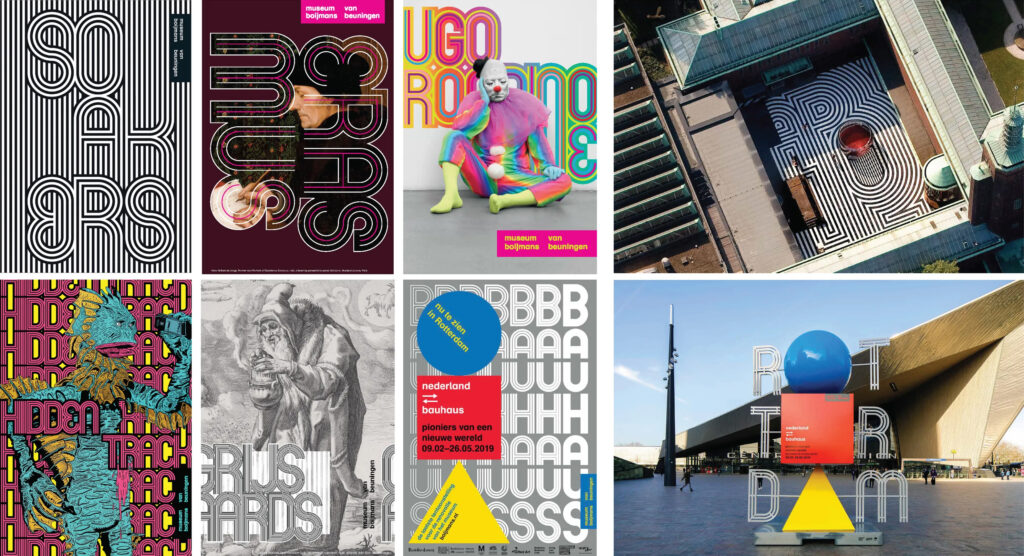
Museums are for everyone. They are public places for the public good. And while one exhibition might be made to primarily attract one specific group (say, Baroque aficionados to a Rubens exposition, or fashionistas to an overview of Cristobal Balenciaga’s work), the museum is meant to go beyond that. Its visual style must be able to accommodate all these different styles and target groups, while still maintaining a uniform visual style.
As the bubbles in the art world are quite solid and audiences quite segregated, museum communication has the power to function as a needle that breaks the bubbles and broadens audiences and helps them mingle.
3 Museums communicate online, offline and onsite.
Culture can be caught in all kinds of media: books are culture, TV is culture, table manners are culture. But museums are a form of culture you can visit. You read about them, you research them online, and visit them to experience what you learnt or prepared for.
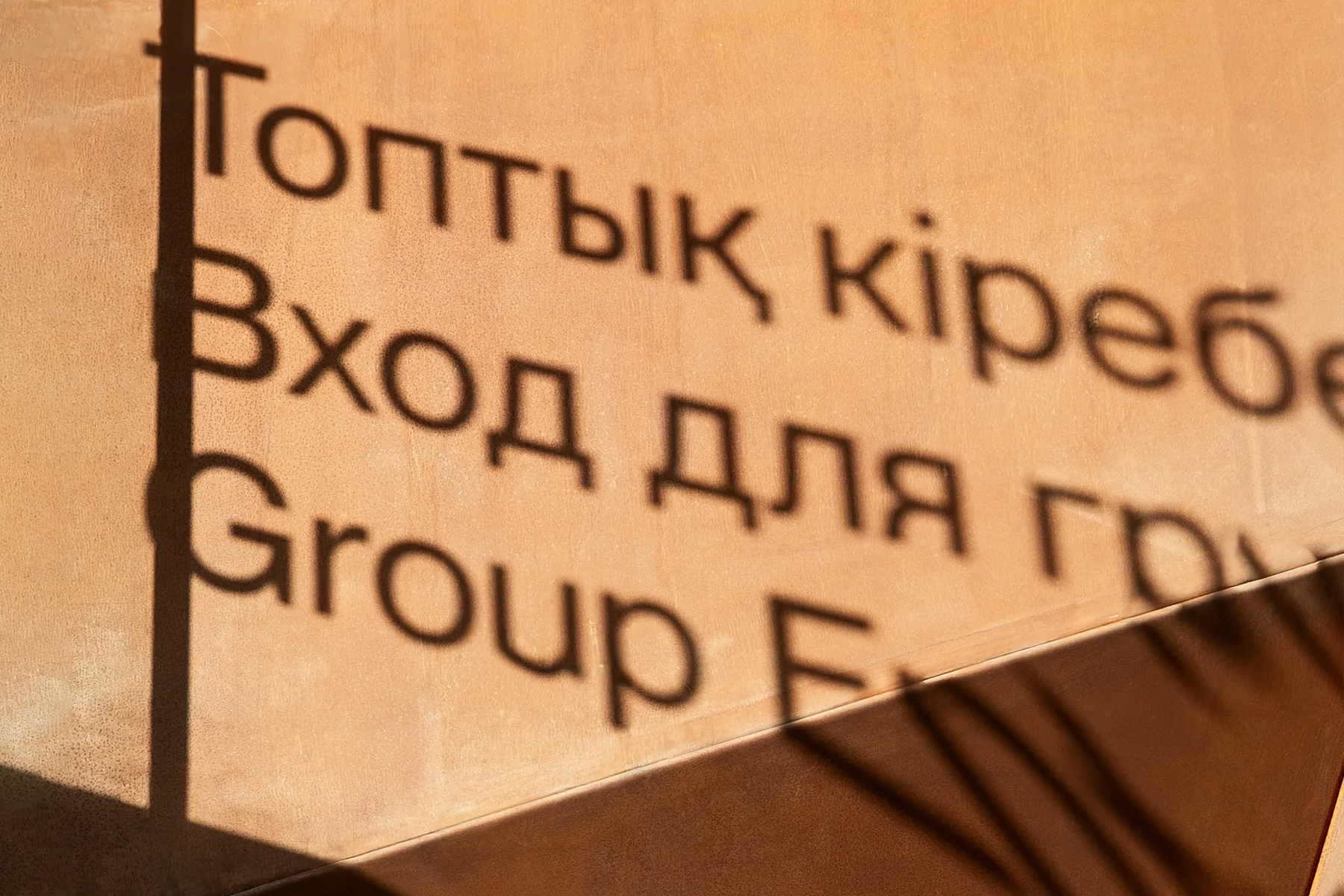
That makes a visitor’s journey more fragmented and requires museum communication to be more unified on all platforms: good museum communication offers the visitor visual anchors online, offline and onsite. By making sure the museum spaces have visual cues linking to the museum’s print communication, and ensuring that the print communication and the online communication are aligned, one gets to feel in place upon entering.