Anne Stienstra (1943 – 2026)
Things are going to get a lot quieter in Amsterdam now that Anne Stienstra is gone for good. I understand he had already calmed down a bit in recent years, though I hadn’t seen him in years—we’d only had brief contact from a distance when I was living in the U.S. I remember Anne as an always lively, almost towering Frisian who drove his Datsun 240Z along Dutch roads as if he were racing at Zandvoort, but would ease off the gas at Rembrandtplein because he wanted to see which ladies were sitting on the terrace. In between his fun-loving pursuits, he was a laid-back graphic designer—not one of the manically driven types in the field, but someone who delivered solid and often enjoyable work, just in time before the deadline passed. Unfortunately, one of his designs has since been discarded—the logo that helped reinforce the distinct identity of the young D’66 party and that apparently had to make way for something more “AI-like,” which indeed fits better with today’s party under Jetten.
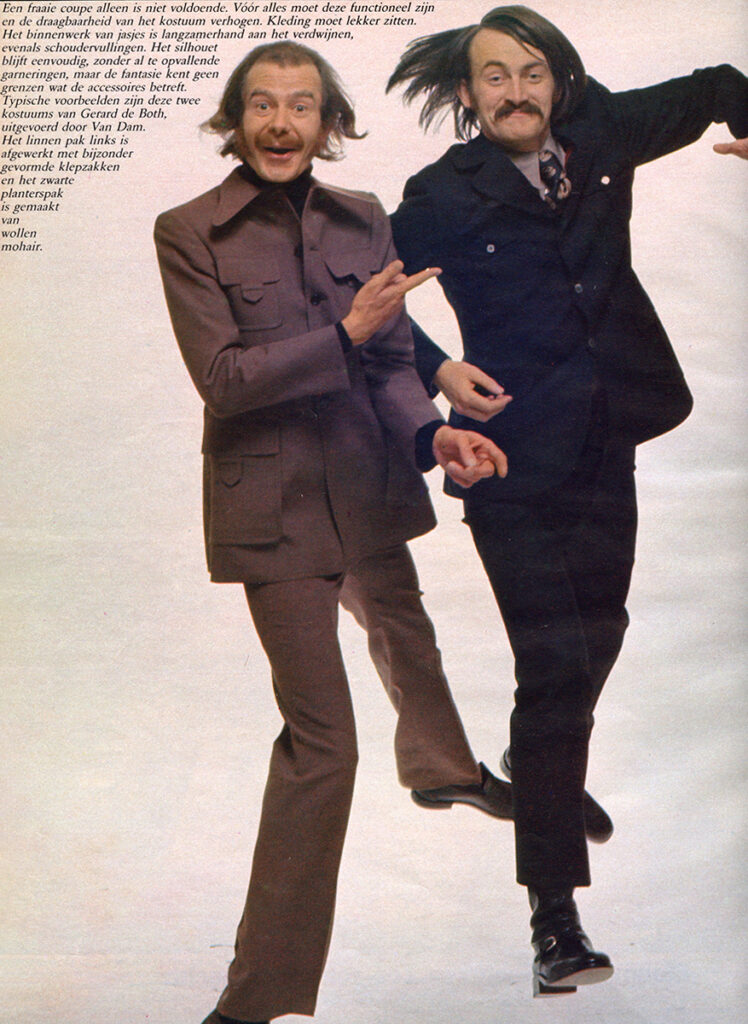
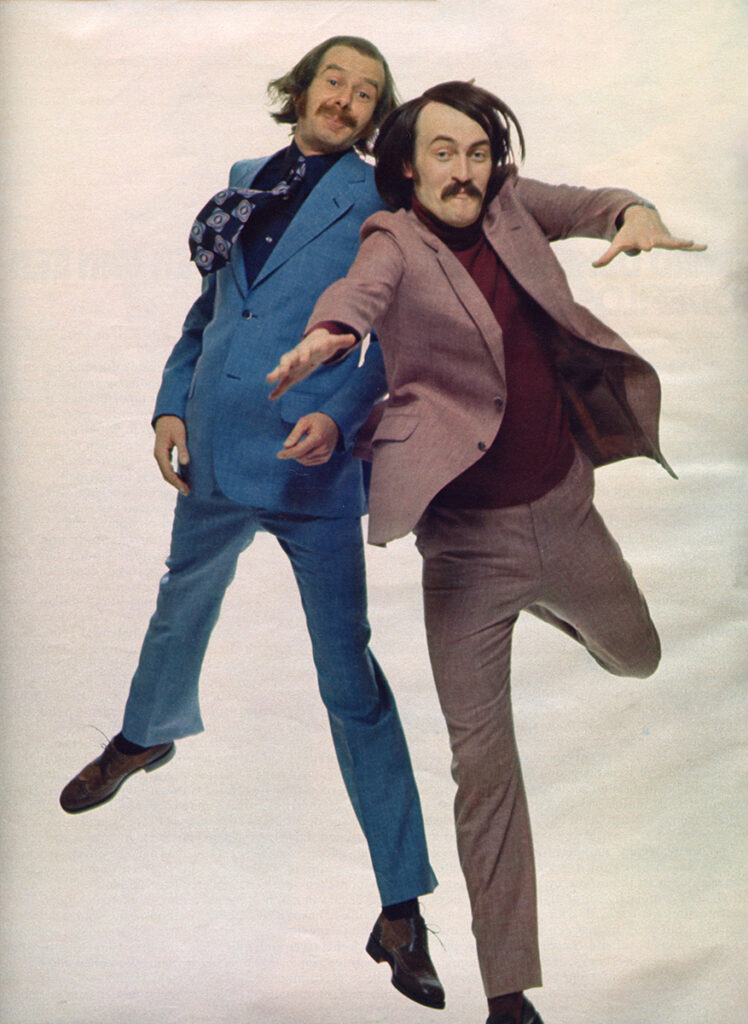
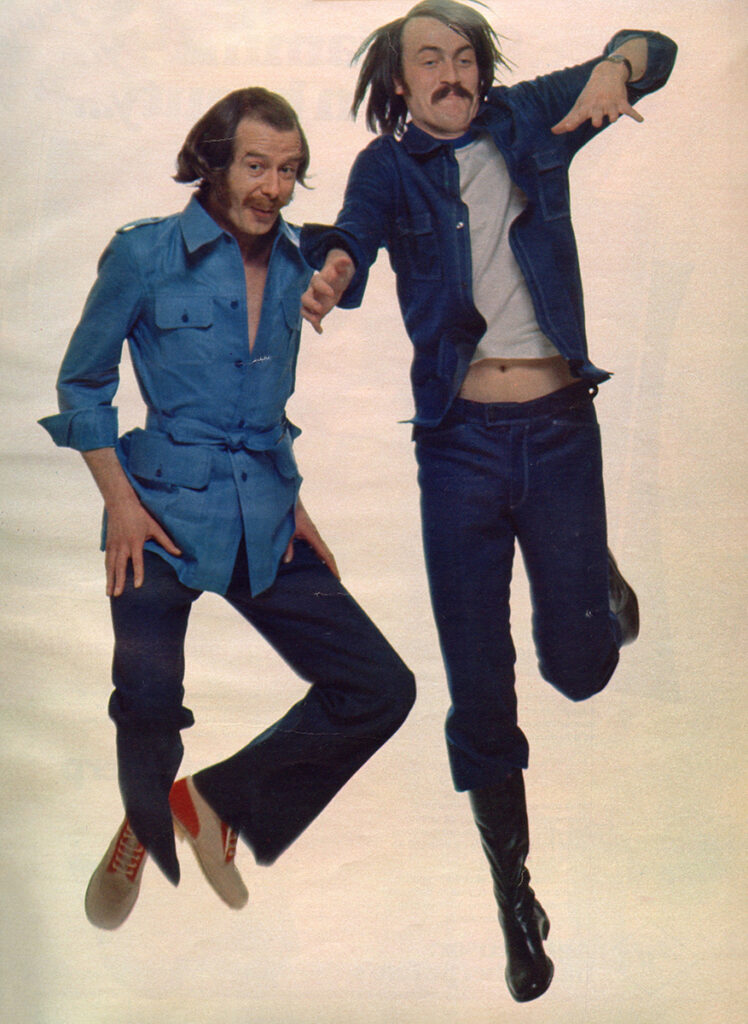
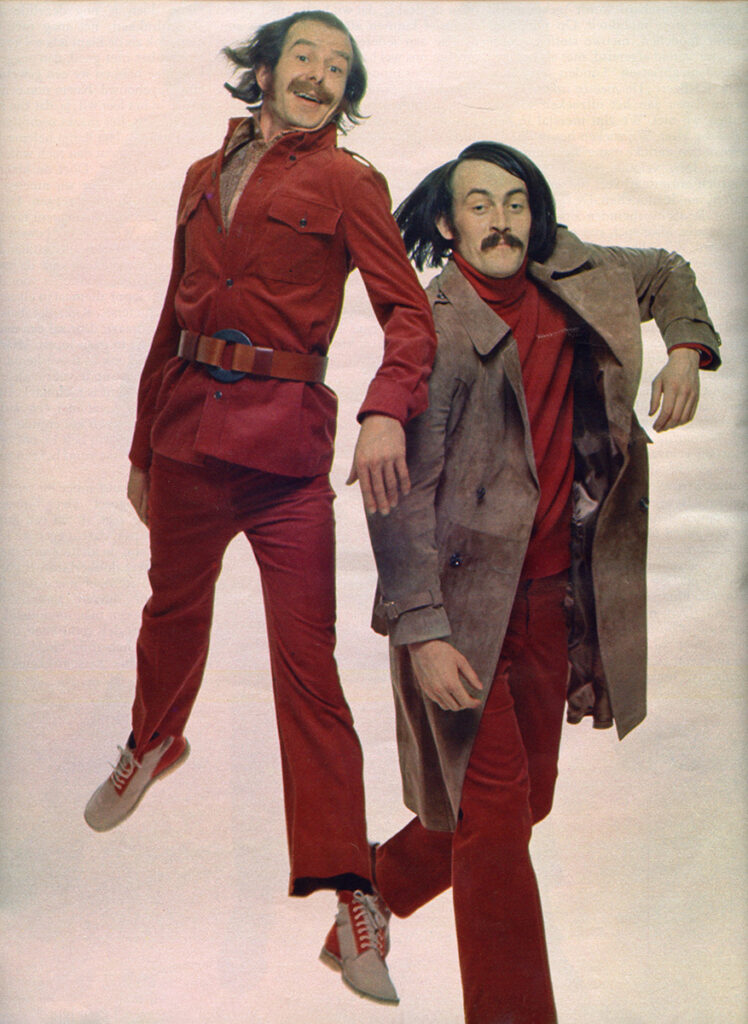
I met Anne in 1971, when Wim Crouwel brought him from Groningen, where he had studied at Minerva and could not escape the influences of postwar modernism. Anne felt at home in Amsterdam; at Total Design, he could be a “young wild one” alongside the others who “ruled the roost” on the Herengracht in the early ’70s. He became close friends with Hartmut Kowalke, whose talent Crouwel had also discovered, and who was more philosophical and aesthetically sensitive by nature than the clear-cut, direct—and, some might say, more commercially oriented—Anne Stienstra. For a long time, the two kept each other in balance, complementing one another both in their professional practice and in their—at times unrestrained—lives. Together, they drove from the East Coast to the West Coast of the U.S.
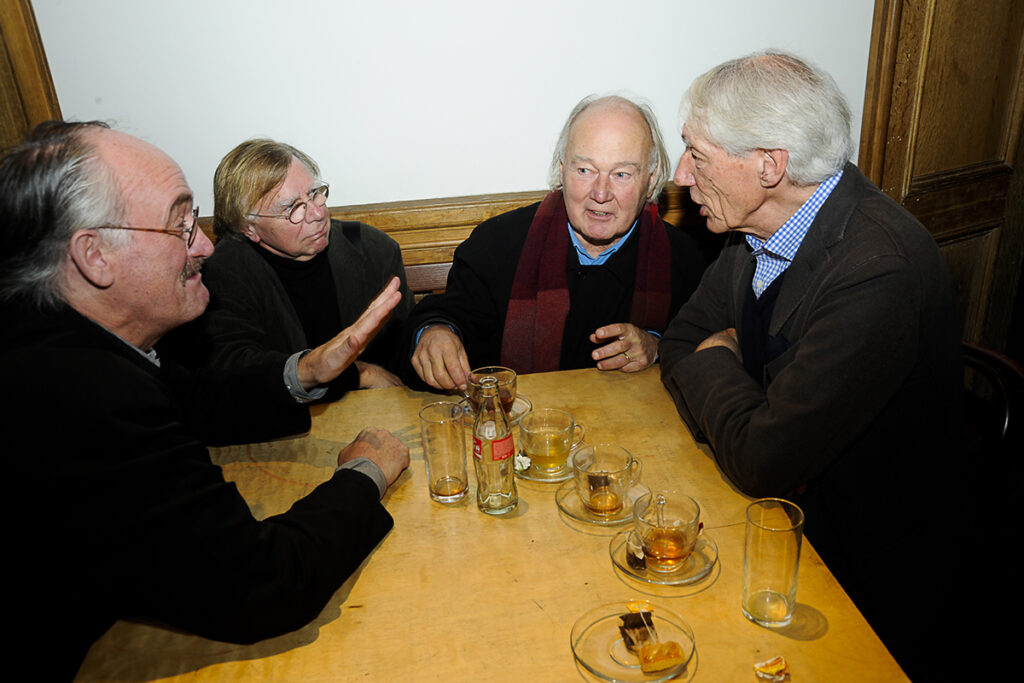
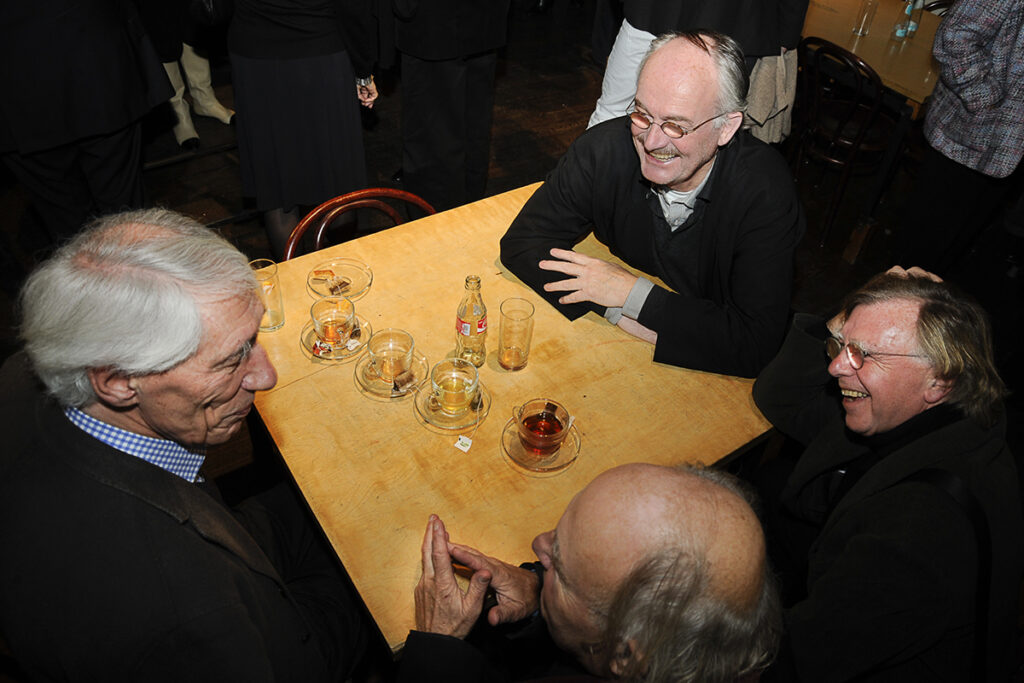
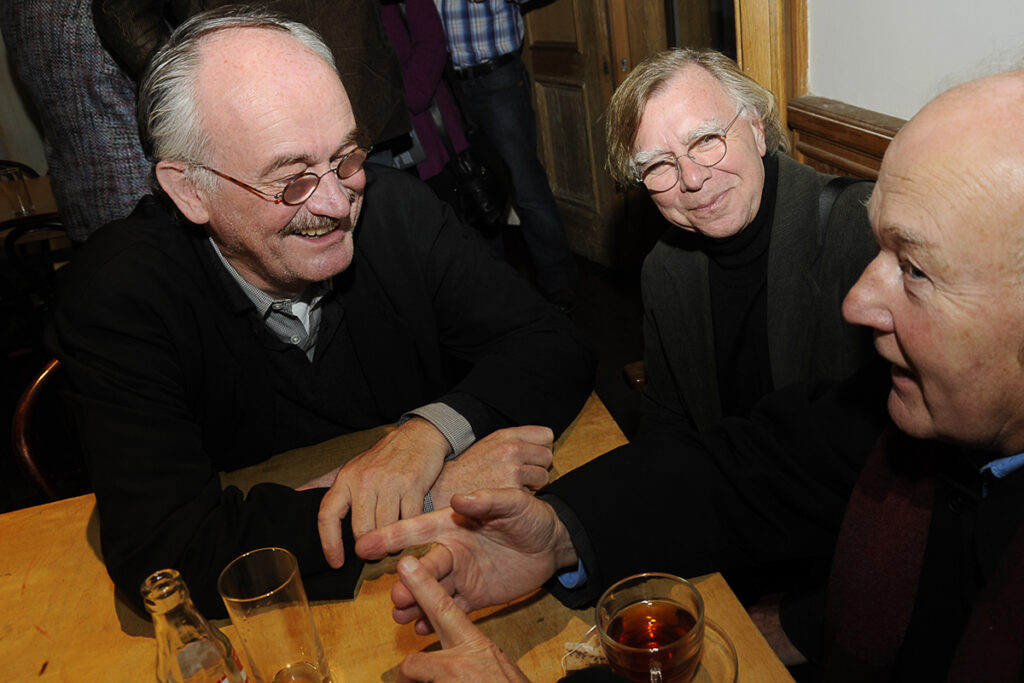
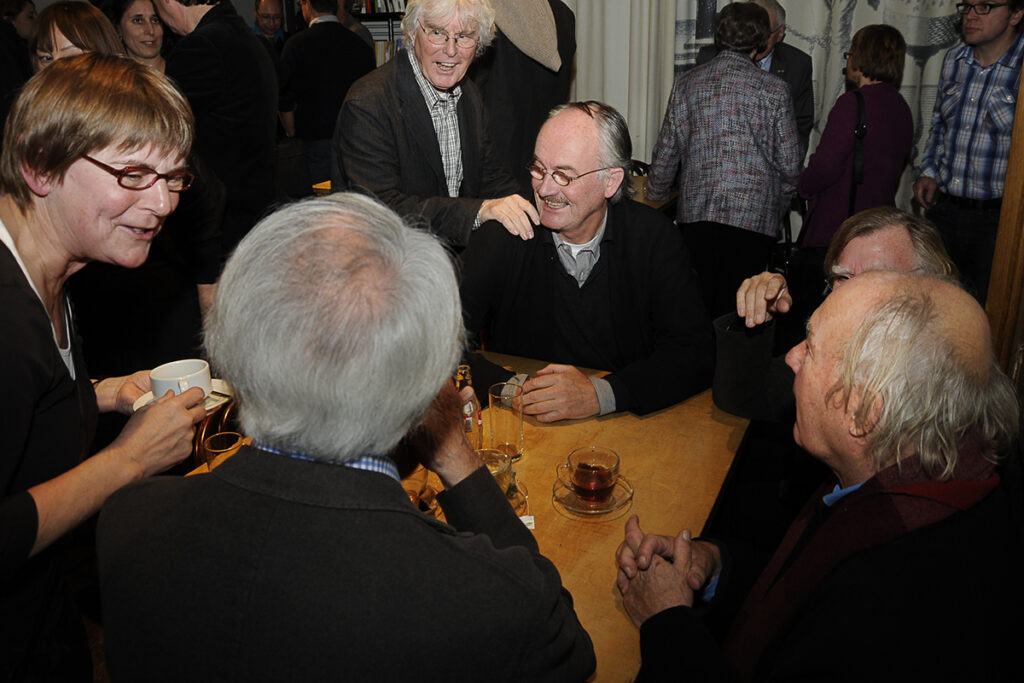
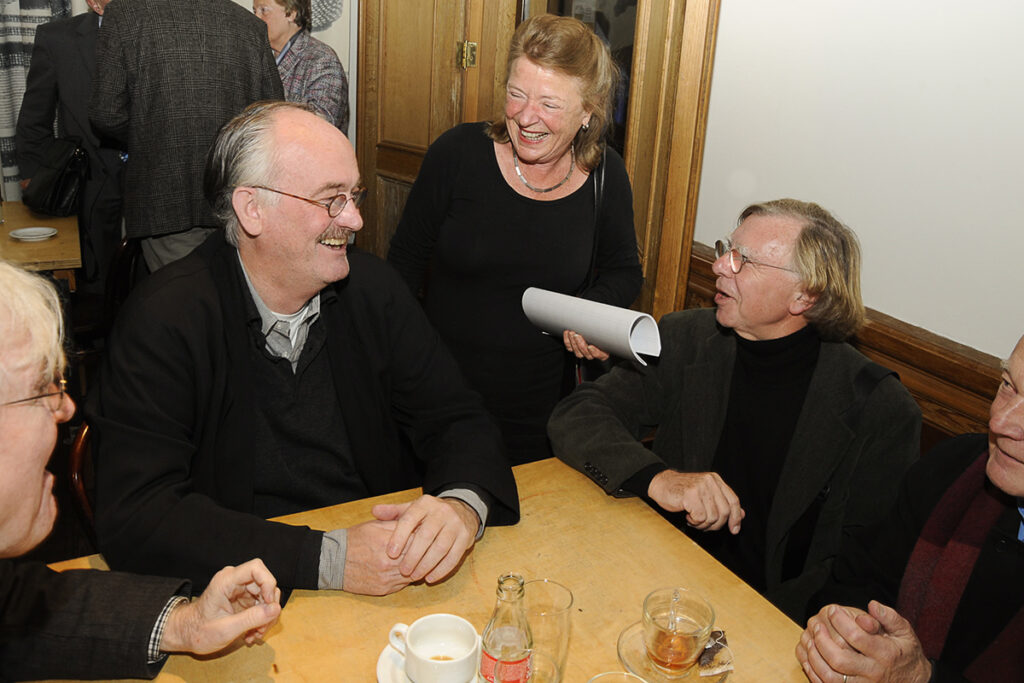
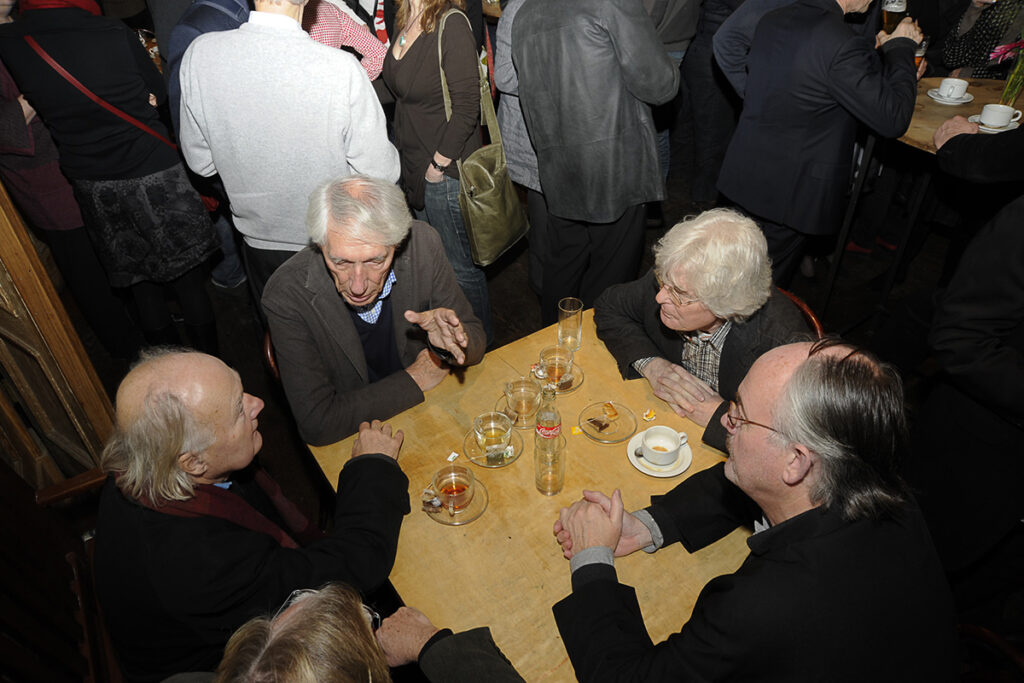
Anne worked at GK in Tokyo for over a year during a time when Japan was eager to learn about European culture and Dutch Design. Blindly and obediently following what was asked of him—often in vague terms—went against his nature; he could never understand why his Japanese colleagues spent the night at the drawing board because they “couldn’t figure it out” and had been instructed to keep going until the job was done. He continued to report with astonishment on a project that was to be presented to clients in Kyoto: traveling there together by train, lots of bows, smiles, sushi, and sake—and then, without a single word of approval or disapproval, or even a substantive discussion, back onto the train, returning to Tokyo, where not a single word was ever heard again about the project. That wasn’t Anne’s style.
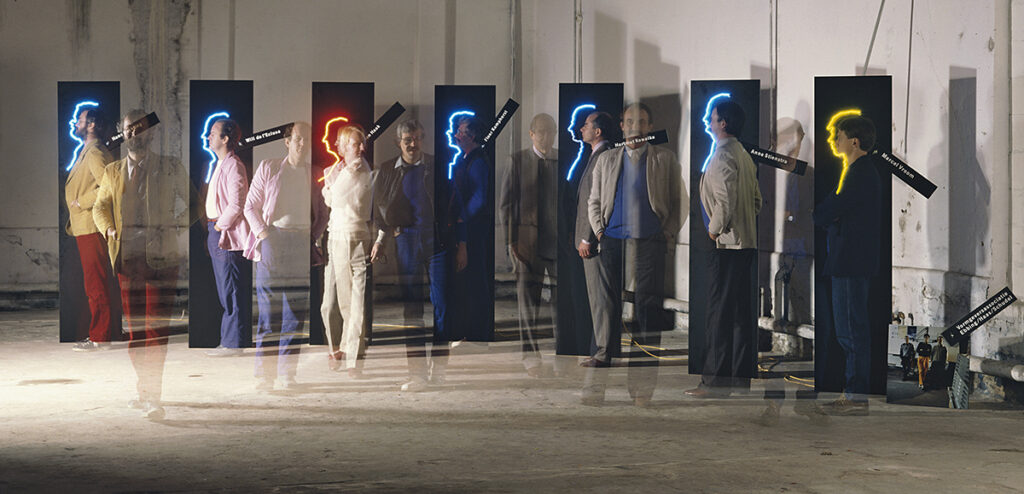
After their years at Total Design, Anne and Hartmut joined Benno Wissing and John Stegmeyer under the name Wissing Kowalke Stegmeyer Stienstra. Later still, in 1983, those two were co-founders and partners at the up-and-coming design firm Concepts on Amsterdam’s Kromboomssloot, together with Will de l’Ecluse, Hans Bockting, Floor Kamphorst, Marcel Vroom, and yours truly.
Those were the days…
Ton Haak
.
Anne Stienstra’s clients include: The Society Shop, Martinair, Noordelijk Filharmonisch Orkest, De Ster Disposables, D66, Martinihal, Brocacef, Artis Zoo, Akzo Nobel, Friesch Groningsche Hypotheekbank, Oger, Vendex International, Yamaha Europa, Interpharm, Hagemeijer.